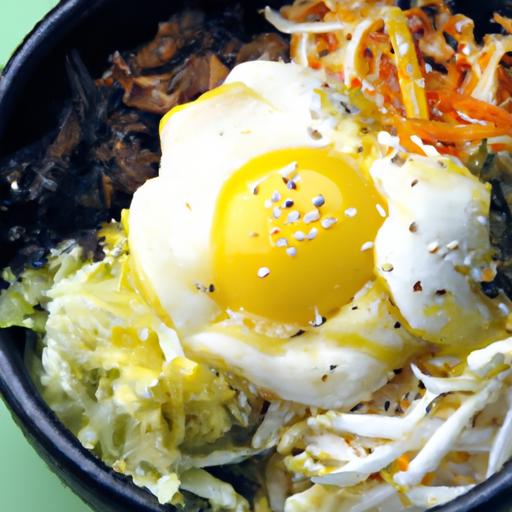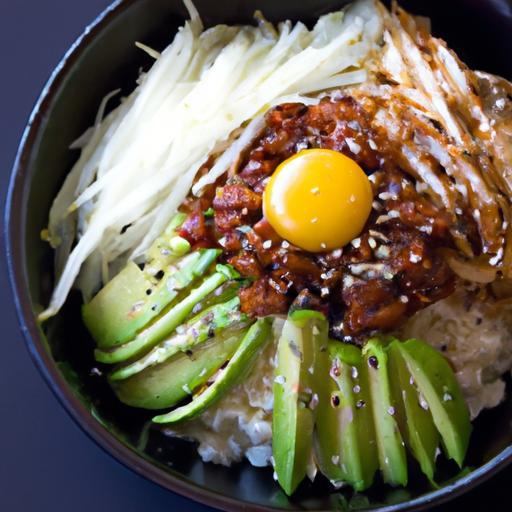
Few dishes capture the vibrant spirit of Asian cuisine quite like bibimbap-a colorful harmony of textures, flavors, and aromas that come together in one bowl. Whether you’re a seasoned foodie or a curious culinary explorer, bibimbap offers endless possibilities to tantalize your taste buds and satisfy your appetite. In this article, we’ll dive into the flavorful world of Asian bibimbap bowls and share creative ideas to inspire your next meal. from customary ingredients to innovative twists,prepare to elevate your homemade bibimbap experience and bring a burst of wholesome deliciousness to your table today.
Flavorful Asian Bibimbap Bowls invite you on a vibrant culinary journey grounded in rich tradition and exciting innovation. Originating from Korea, bibimbap is a harmonious blend of steamed rice, crisp vegetables, savory protein, and the bold depth of gochujang sauce. I still remember the frist time I crafted this iconic dish at home-the myriad colors and textures coming together instantly elevated my weeknight dinner and sparked a newfound passion for Korean cuisine. Offering endless possibilities, these bowls celebrate both authenticity and creativity, empowering you to customize toppings and sauces that delight your palate and impress your guests.
Prep and Cook Time
- Planning: 25 minutes
- Cooking: 30 minutes
- Total Time: 55 minutes
Yield
Serves 4 generously
Difficulty Level
Medium – Perfect for home cooks eager to explore traditional Asian flavors with a creative twist
Ingredients
- 2 cups short-grain jasmine rice, cooked and kept warm
- 1 cup spinach, blanched and squeezed dry
- 1 cup julienned carrots, sautéed
- 1 cup shiitake mushrooms, sliced and sautéed
- 1 cup cucumber, thinly sliced and lightly salted
- 200g firm tofu, pressed and pan-fried until golden
- 1 tablespoon sesame oil, divided
- 4 large eggs (optional, for sunny-side up topping)
- 2 tablespoons toasted sesame seeds
- 2 green onions, thinly sliced
- Gochujang Sauce (see instructions below)
For the Gochujang Sauce:
- 3 tablespoons gochujang (Korean fermented chili paste)
- 2 teaspoons toasted sesame oil
- 2 teaspoons rice vinegar
- 1 tablespoon honey or maple syrup
- 1 clove garlic, minced
- 1 tablespoon water (to adjust consistency)
Instructions
- Prepare the rice: Cook the jasmine rice according to package instructions. Keep it warm while preparing other ingredients to maintain fluffy texture.
- Sauté vegetables: heat 1 teaspoon sesame oil in a skillet over medium heat. Add carrots and cook until tender, about 5 minutes. Remove and repeat with shiitake mushrooms until golden and aromatic. Lightly season with salt. Set aside.
- Blanch spinach: Quickly blanch spinach in boiling water for 30 seconds, then drain and squeeze out excess moisture. toss with a pinch of salt and a few drops of sesame oil for flavor.
- Pan-fry tofu: Press tofu to remove excess moisture. Cut into bite-sized cubes and sauté in 1 teaspoon sesame oil over medium-high heat until all sides are golden and crispy, about 8 minutes.
- Prepare gochujang sauce: Whisk together gochujang, toasted sesame oil, rice vinegar, honey, minced garlic, and water in a small bowl until smooth and balanced. Adjust water to desired thickness.
- Cook eggs (optional): In a non-stick pan, cook eggs sunny-side up or to preferred doneness. A perfectly runny yolk adds luscious texture and richness to the bowl.
- Assemble your bowl: Divide warm rice equally among four bowls. Arrange carrots,mushrooms,spinach,cucumber,and tofu in colorful sections atop the rice to showcase diversity of textures and hues.
- Garnish and serve: Top each bowl with a fried egg, drizzle generously with gochujang sauce, and sprinkle toasted sesame seeds and sliced green onions. For an added crunch, toss in some crushed roasted seaweed or toasted pine nuts.
Tips for success
- Customize your toppings: Swap tofu for grilled chicken, beef strips, or tempeh to suit dietary preferences while maintaining authentic bibimbap vibes.
- Texture balance: Combining sautéed, fresh, and pickled ingredients (like quick-pickled daikon or kimchi) creates irresistible layers that surprise the palate.
- Make ahead: Prepare vegetables and sauce in advance to streamline assembly on busy days without sacrificing freshness.
- Managing spice: Adjust gochujang quantities to control heat. Adding honey mellows intensity while preserving flavor complexity.
- Rice tip: For extra fragrance,fluff rice with a splash of sesame oil before plating.
Serving Suggestions
Elevate your presentation by using shallow, wide bowls that showcase the stunning arrangement of ingredients. Garnish with edible flowers or microgreens for a fresh pop of color. Serve with chopsticks and a small bowl of kimchi on the side to enhance authenticity. Encourage your guests to mix the bibimbap thoroughly before eating to experience each element’s full flavor integration. A crisp, chilled cucumber salad or miso soup pairs beautifully alongside.

| Nutrient | Per Serving |
|---|---|
| Calories | 480 kcal |
| Protein | 22g |
| Carbohydrates | 60g |
| Fat | 14g |
Discover more about Korean cuisine and its rich ingredients on Korean Bapsang.
For those looking to deepen their knowledge of rice varieties that complement bibimbap, check out our Ultimate Guide to Rice Varieties.
Q&A
Q&A: Flavorful Asian Bibimbap Bowls - Creative Ideas to Try Today
Q1: What exactly is bibimbap, and why has it become so popular worldwide?
A1: Bibimbap is a vibrant Korean dish that literally means “mixed rice.” Its a harmonious bowl of steamed rice topped with an array of colorful vegetables, proteins, and a flavorful sauce-usually gochujang (spicy red pepper paste). Its popularity stems from its balance of textures, bold flavors, and the satisfying ritual of mixing everything together before eating. Bibimbap embraces creativity, making it perfect for anyone looking to explore Asian flavors in a customizable, wholesome way.
Q2: What are some must-have ingredients to build an authentic yet creative bibimbap bowl?
A2: The heart of bibimbap lies in its fresh, diverse toppings. Start with steamed rice-white, brown, or even black rice for extra nutrition. Add sautéed spinach, julienned carrots, crisp cucumber, and shiitake mushrooms for umami depth. Incorporate crunchy bean sprouts and pickled radish for zing. For protein, try marinated tofu, teriyaki chicken, or grilled salmon. top with a fried egg for richness, and don’t forget a generous drizzle of gochujang mixed with a touch of sesame oil for that iconic kick.
Q3: How can I make my bibimbap bowl more creative without losing its traditional essence?
A3: Creativity in bibimbap is all about playing with textures, colors, and layers of flavor. Swap traditional spinach with kale or bok choy sautéed in garlic. Use roasted sweet potatoes or grilled eggplant to add earthy sweetness. Try fresh herbs like cilantro or Thai basil for aromatic surprises. For a different crunch, sprinkle toasted sesame seeds or crushed peanuts on top. Even the rice can be infused-such as, mixing jasmine rice with black rice or tossing rice with turmeric for a golden hue. The key is balance: maintain the fresh, vibrant vegetables and the spicy, savory sauce, but allow your personal twist to shine.
Q4: What are some excellent sauce alternatives or additions to the classic gochujang?
A4: While gochujang is the soul of bibimbap, experimenting with sauces can elevate your bowl. Try a mix of miso paste and a little honey for sweetness and depth. A soy-sesame dressing with garlic and ginger adds a nutty, aromatic layer. For a creamy touch, blend tahini with lime juice and chili flakes. Even a homemade peanut sauce with a splash of rice vinegar can add a new dimension. Just make sure the sauce complements the vibrant ingredients by balancing spice, sweetness, and acidity.
Q5: Can bibimbap be enjoyed as a meal prep option for busy lifestyles?
A5: absolutely! Bibimbap is fantastic for meal prepping because each component can be cooked and stored separately,then assembled fresh at mealtime. Roast or steam your vegetables ahead, cook your protein in bulk, and prepare the rice in advance. Keep your gochujang sauce in a jar for quick drizzling. when ready to eat, reheat the rice and protein, then add fresh or warmed vegetables and an egg (fried or poached if possible) just before serving. It’s a vibrant, balanced meal that’s both nutritious and simple to customize on the fly.
Q6: What tips can help unpack the full flavor experience of bibimbap?
A6: To savor bibimbap fully, take time to appreciate the textures-crisp veggies, tender protein, soft rice. the magic happens when you mix everything thoroughly, allowing the spicy, sweet, and savory sauce to coat every bite. Adding a small splash of sesame oil or a sprinkle of toasted seeds boosts the aroma and depth. Eating bibimbap slowly helps experience the harmony of flavors and makes each bite a delightful fusion of tastes and sensations.It’s not just food-it’s a vibrant party of balance and creativity in a bowl.
Final Thoughts
Whether you’re a seasoned foodie or a kitchen adventurer, crafting your own flavorful Asian Bibimbap bowl is a delicious way to explore bold tastes and vibrant textures.From sizzling veggies and marinated meats to spicy gochujang and perfectly fried eggs, the possibilities are as endless as your creativity. So gather your favorite ingredients, mix and match with abandon, and let each bowl become a flavorful masterpiece that’s uniquely yours. Ready to dig in? Your next unforgettable meal awaits-one colorful,crave-worthy bite at a time.