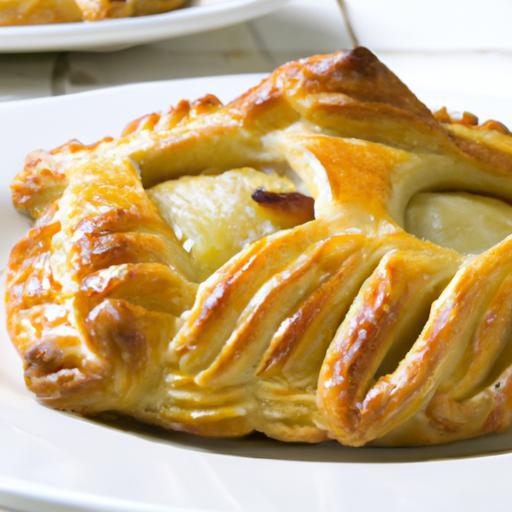
Nestled in the heart of the Mediterranean, Malta boasts a culinary treasure that has captured the palates of locals and travelers alike: the pastizzi. These golden, flaky pastries-crisp on the outside and bursting with savory fillings-are more than just snacks; they are edible stories steeped in tradition and community. From humble street corners to bustling bakeries, pastizzi embody a rhythmic dance of textures and flavors that have been perfected over centuries. Join us as we unravel the history, artistry, and irresistible charm behind Malta’s beloved pastizzi-a savory tradition wrapped in flaky delight.
Maltese Pastizzi capture the heart and history of Malta through a uniquely flaky, buttery pastry that has been savored for generations. This iconic snack’s allure lies in its delicate layers that shatter delightfully with every bite, revealing luscious fillings inspired by centuries of Mediterranean tradition. From bustling street vendors to family kitchens,these savory parcels have evolved,carrying stories of resilience,community,and flavor innovation that truly embody Maltese culture.
Prep and Cook Time
- Preparation: 40 minutes
- Cooking: 20 minutes
- Total Time: 1 hour
Yield
Approximately 20 medium-sized pastizzi
Difficulty Level
Medium – requires patience with dough laminating and shaping
Ingredients
- For the Dough:
- 2 cups all-purpose flour, sifted
- 1/2 tsp salt
- 1/2 cup water, lukewarm
- 3 tbsp vegetable oil or melted butter
- 6 tbsp melted butter or margarine (for layering)
- For the Ricotta Filling:
- 2 cups ricotta cheese, well-drained
- 1/4 cup grated Parmesan cheese
- 1/4 tsp freshly ground black pepper
- 1/4 tsp nutmeg
- Salt, to taste
- For the Pea Filling (Alternative):
- 1 1/2 cups cooked garden peas, lightly mashed
- 1 small onion, finely chopped
- 2 tbsp olive oil
- Salt and pepper, to taste
- 1/4 tsp dried mint (optional)
Instructions
- Prepare the Dough: In a large bowl, whisk together the flour and salt. Gradually add the lukewarm water and 3 tablespoons of oil, mixing to form a soft dough. Knead gently for 5-7 minutes until smooth and elastic.Cover the dough with a damp cloth and let it rest for 20 minutes.
- Create the Dough Layers: Roll out the dough on a lightly floured surface into a thin rectangle about 12×16 inches. Brush the surface evenly with 3 tablespoons of melted butter. starting at one long edge, roll the dough tightly into a log. Cut the log into 20 equal pieces and let these rest, seam side down.
- Laminate the Dough Rounds: Take each piece and flatten gently with yoru palm, then roll it into a thin circle approximately 5 inches in diameter. Layer these rounds by brushing each one with melted butter before stacking to form neat piles. This step is key for that signature flakiness.
- Prepare the Ricotta Filling: In a mixing bowl, combine the drained ricotta, Parmesan, black pepper, nutmeg, and salt. Whisk until smooth and creamy. For the pea filling, sauté onions in olive oil until translucent, stir in the peas, season with salt, pepper, and mint, then cool.
- Shape the Pastizzi: hold one dough circle, place a heaping tablespoon of filling in the center, and fold the dough over to form a triangle or half-moon shape, pinching edges firmly to seal. For perfect sealing, slightly moisten edges with water if needed.
- Bake to Perfection: Preheat your oven to 200°C (400°F). Place the pastizzi on a parchment-lined baking sheet. Brush tops generously with melted butter for extra golden color and flakiness. bake for 15-20 minutes or until puffed and golden brown.
- Cool and Serve: Allow cooling for 5 minutes before serving. The pastries are best enjoyed warm, when the layers are crisp and the filling luscious.
Tips for Success
- Mastering the layers: Applying melted butter between dough folds is essential for creating the classic, crispy layers. Don’t rush this step!
- Filling moisture: Ensure ricotta is properly drained to avoid soggy pastizzi.For peas, lightly mash but keep some texture for a fresh bite.
- Shape variety: Triangle and half-moon shapes are conventional, but feel free to experiment with pleats or pockets for a personal touch.
- Make-ahead tip: Dough can be prepared and layered a day in advance; keep wrapped tightly in the refrigerator to maintain freshness.
- vegan alternatives: Substitute ricotta with tofu or cashew cream and butter with vegan margarine for a plant-based twist.
Serving Suggestions
The best way to enjoy these enticing maltese pastries is fresh from the oven, paired with a side of tangy tomato chutney or a cooling cucumber-yogurt dip. Consider serving with a crisp salad of arugula, cherry tomatoes, and olives drizzled with lemon and olive oil to balance the rich pastry. Garnish with freshly chopped parsley or a sprinkle of Croatian paprika to enhance both aroma and presentation-turning a simple bite into a feast for the senses.

| Nutrient | Per Pastizzi |
|---|---|
| Calories | 220 kcal |
| Protein | 7 g |
| Carbohydrates | 25 g |
| Fat | 11 g |
Discover more about traditional Mediterranean snacks and their recipes in our related article Mediterranean Savory Pies. For an insightful historical context on Maltese cuisine, visit Visit Malta – Food & Drink.
Q&A
Q&A: Maltese Pastizzi – A Savory Tradition Wrapped in Flaky Delight
Q1: What exactly are Maltese pastizzi?
A1: Maltese pastizzi are beloved savory pastries that embody the rich culinary heritage of Malta. Imagine a crisp,golden,flaky exterior that gives way to a warm,soft filling-usually creamy ricotta cheese or hearty mashed peas. Each bite offers a delightful contrast of textures, making pastizzi a quintessential snack or street food treasure in Malta.
Q2: How did pastizzi become such an iconic Maltese treat?
A2: The origins of pastizzi trace back centuries, influenced by various Mediterranean and middle Eastern pastry traditions. Over time,the Maltese people adapted and perfected this flaky pastry,turning it into a national comfort food.Their widespread popularity started in humble pastizzerias, local bakeries that became community hubs, where pastizzi could be enjoyed at any time of day.
Q3: What makes the pastry shell of a pastizz so distinctive?
A3: The magic lies in the technique. the dough used to create pastizzi is rolled and folded multiple times to create ultra-thin layers, much like puff pastry but with its own Maltese twist. This labor-intensive process results in a perfectly light, crispy shell that shatters delicately with each bite, providing the perfect vessel for the creamy filling inside.
Q4: What are the traditional fillings found inside pastizzi?
A4: The two classic fillings are savory ricotta cheese and mushy peas. The ricotta is smooth, slightly tangy, and rich, while the mushy peas offer a subtly sweet earthiness. Beyond tradition, some bakers innovate with fillings such as spinach and ricotta, curried vegetables, or even spiced mushrooms, maintaining the pastry’s heartiness and flavor balance.
Q5: Are pastizzi typically enjoyed at any particular time or occasion in Malta?
A5: Pastizzi are incredibly versatile. Whether as a fast breakfast,a mid-afternoon snack,or a late-night indulgence after a lively evening,pastizzi fit seamlessly into daily life. They’re frequently enough enjoyed fresh and warm, straight from the oven, sometimes accompanied by a simple salad or a hot cup of Maltese tea.
Q6: How do pastizzi reflect Maltese culture beyond just their flavor?
A6: Pastizzi are more than food-they’re a cultural symbol. Their preparation and sharing represent community,tradition,and Maltese ingenuity.The ritual of enjoying pastizzi in bustling local bakeries or at family gatherings tells a story of a people who cherish simple, homeland-crafted pleasures and take pride in their culinary identity.Q7: Can pastizzi be made at home, or are they best sought out from Maltese bakeries?
A7: While its entirely possible to make pastizzi at home, achieving the authentic flaky layers requires patience and practice.Many locals and visitors alike prefer to indulge in freshly baked pastizzi from traditional pastizzerias, where expert bakers have honed their craft over generations. Nonetheless, homemade pastizzi carry their own charm, especially when shared among family.
Q8: What should first-time tasters expect when trying a pastizz?
A8: Expect a sensory journey-from the delicate crunch of the flaky crust to the creamy, savory surprise within. Pastizzi deliver comfort and delight in every bite, combining simplicity with rich, satisfying flavors. It’s a pastry that invites you to slow down, savor the textures, and experiance a true taste of Maltese hospitality.
Q9: Are there any regional variations of pastizzi across Malta?
A9: While the core concept remains consistent island-wide,slight variations in size,shape,and filling proportions do exist. Some bakeries might add a sprinkle of freshly ground black pepper or finely chopped herbs to their ricotta filling, while others may experiment with spice blends in their peas. These nuances reflect the bakers’ personal touches and regional preferences.
Q10: Why should food lovers include pastizzi on their culinary bucket list?
A10: Pastizzi are a gateway into Malta’s vibrant food culture-simple yet sublime. They showcase the beauty of traditional craftsmanship and the elegance of humble ingredients transformed into something extraordinary. For those eager to explore authentic Mediterranean flavors wrapped in buttery layers of delight, pastizzi offer an unforgettable, mouthwatering experience.
Concluding Remarks
from humble street vendor stalls to bustling family kitchens, Maltese pastizzi continue to enchant locals and travelers alike with their irresistible combination of flaky pastry and savory filling. This beloved snack is more than just a treat-it’s a delicious thread woven through Malta’s rich culinary tapestry,reflecting centuries of tradition and community spirit. Whether you savor a warm, cheese-filled pastizz fresh from the oven or share stories over a crisp pea-filled one, you’re tasting history wrapped in golden layers. So next time you find yourself wandering Malta’s charming streets, follow the tempting aroma and discover firsthand why pastizzi remain a timeless symbol of Maltese flavor and heritage.