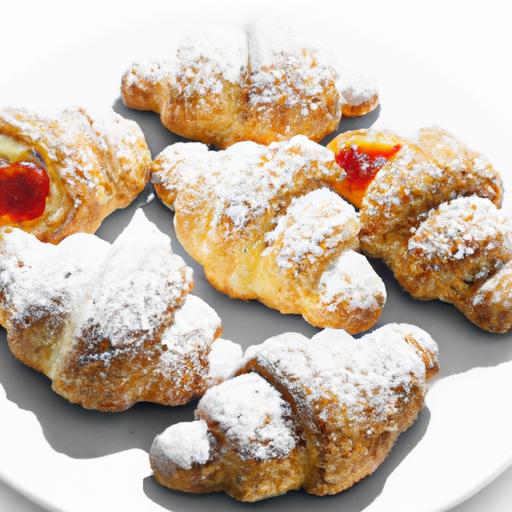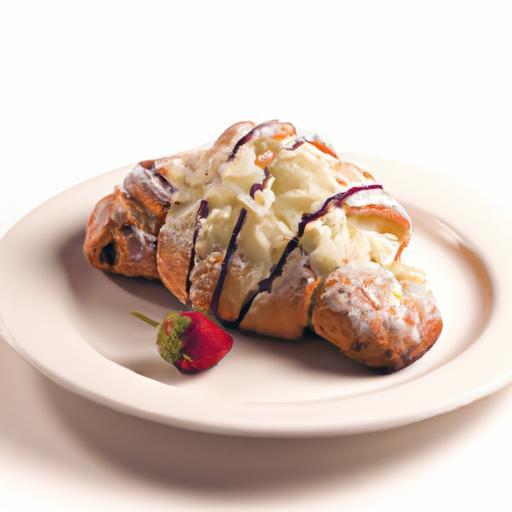
there’s something undeniably magical about the frist bite of a freshly baked pastry-the flaky layers, the buttery aroma, the delicate sweetness that dances on the tongue. Across Europe, mornings come alive wiht a dazzling array of pastries that tell stories of tradition, craftsmanship, and local flavor. From the crisp croissants of Parisian cafés to the jam-filled delights of Vienna’s bakeries, these morning treasures are more than just breakfast; they are cultural experiences wrapped in dough. Join us as we embark on a delicious journey through Europe’s irresistible pastries, uncovering the secrets behind their timeless appeal and the regions that have perfected these morning delights.
Morning Delights: Exploring Europe’s Irresistible Pastries invites you to embark on a journey into the heart of flaky French croissants-those buttery crescents that melt the moment they touch your tongue. Originating from the Parisian boulangeries revered worldwide, the charm of croissants lies in their meticulously crafted layers, each fold a testament to time-honored technique and passion for perfect pastry. This recipe uncovers the secrets to achieving that iconic airy texture and lusciously golden crust that defines the art of a true croissant, making it approachable for home bakers eager to recreate a quintessential European morning treat.
Prep and Cook Time
- Readiness: 30 minutes active + 12 hours refrigeration (including resting and proofing)
- Cooking: 15-20 minutes
- Total Time: Approximately 13 hours (mostly hands-off)
Yield
Yields 12 generously sized buttery croissants
Difficulty Level
Advanced – Requires patience and attention to detail,but incredibly rewarding
Ingredients
- 4 cups all-purpose flour,sifted
- 1/4 cup granulated sugar
- 2 tsp fine sea salt
- 1 tbsp instant yeast
- 1 1/4 cups cold whole milk
- 3/4 cup unsalted butter,chilled (plus extra for laminating)
- 1 large egg (for egg wash)
- 1 tsp water (for egg wash)
instructions
- Prepare the dough: In a large mixing bowl,combine the sifted flour,sugar,salt,and instant yeast,mixing well-ensure yeast and salt are on opposite sides to avoid deactivating.Slowly add cold milk and mix until a shaggy dough forms.
- knead gently: Turn the dough onto a floured surface and knead for 5 minutes until smooth but slightly sticky.Shape into a rectangle, wrap in plastic, and refrigerate for 2 hours to hydrate fully.
- prepare the butter block: While the dough rests, place the chilled butter between two sheets of parchment and pound it gently with a rolling pin into a 7×7 inch square. Keep it cold but pliable.
- Lamination process: Roll the dough into a 10×20 inch rectangle. Place the butter block in the center and fold the dough like a book, sealing edges tightly to encase the butter.
- Roll and fold: Roll the dough into a 20×10 inch rectangle and perform the first fold (letter fold).Wrap and chill for 1 hour. Repeat rolling and folding two more times, with 1-hour rests in between, to build layers.
- Shape the croissants: After final chill, roll the dough into a 20×10 inch sheet. Cut into 12 long triangles (base about 5 inches). Stretch each triangle gently, then roll tightly from the wide base to form crescents.
- Proof: Place croissants on parchment-lined trays with space between. Cover lightly with plastic and proof at room temperature (around 21°C / 70°F) for 2-3 hours until doubled in size.
- Prepare egg wash: Beat the egg with 1 tsp water for a shiny, golden finish.
- Bake: Preheat oven to 400°F (200°C). Brush the croissants with egg wash gently, then bake for 15-20 minutes or until a deep golden brown, rotating trays after 10 minutes for even baking.
- Cool briefly and serve: Let cool on wire racks for at least 10 minutes before indulging in the tender, buttery layers.
tips for Success
- Keep ingredients cold: Cold butter and milk are crucial for distinct layers-avoid letting butter soften too much during lamination.
- Use a scale: Precision yields better results, especially with flour and butter measurements.
- If pressed for time, you can proof croissants overnight in the refrigerator for a slower rise and deeper flavor complexity.
- Watch the oven closely, as sugars in butter brown quickly to prevent burning.
- Try variations: Add dark chocolate batons or almond filling before rolling for delightful twists.
Serving Suggestions
Present croissants on a rustic wooden board alongside fresh seasonal berries and small bowls of artisanal jams or creamy honey. A light dusting of powdered sugar adds a delicate touch of elegance.Paired with a fresh brew of espresso or rich hot chocolate,these croissants transform any morning into a celebratory feast.

| Nutrient | Per Croissant |
|---|---|
| calories | 270 kcal |
| Protein | 5 g |
| Carbohydrates | 25 g |
| Fat | 15 g |
To deepen your pastry repertoire, explore our Classic European Pastry Recipes for more heavenly morning delights. For detailed science behind perfect lamination, the King Arthur Baking croissant guide is an indispensable resource.
Q&A
Q&A: Morning Delights – Exploring Europe’s Irresistible Pastries
Q1: What makes european pastries so enchanting in the morning?
A1: European pastries hold a magical charm that awakens the senses at dawn.Their buttery flakiness, delicate sweetness, and aromatic spices create a comforting ritual that transforms a simple breakfast into an indulgent experience. Each bite tells a story of centuries-old traditions and regional artistry, making mornings not just a routine but a celebration.
Q2: Which European pastry is considered the quintessential morning treat?
A2: The croissant, with its airy layers and golden crust, reigns supreme as the quintessential European morning pastry. Originating from Austria but perfected in France, it’s a masterpiece of craftsmanship-fluffy yet crisp, buttery yet light. Its versatility invites pairing with jam, honey, or simply enjoyed on its own with a cup of coffee.
Q3: How do regional differences influence Europe’s morning pastries?
A3: Europe’s morning pastries are as diverse as its landscapes. In Italy, you’ll find the delicate cornetto, similar to the croissant but slightly sweeter and often filled with jam or cream. Scandinavia boasts cardamom-spiced buns with pearl sugar, evoking warmth in chilly mornings. Meanwhile, Portugal offers the legendary pastel de nata, a creamy custard tart boasting crispy edges and caramelized tops.
Q4: What ingredients are typically used in traditional European pastries?
A4: Classic European pastries typically blend simple, high-quality ingredients: wheat flour, butter, sugar, eggs, and yeast or baking powder. Many incorporate natural flavorings such as vanilla, cinnamon, citrus zest, nuts, and fresh fruits-each region adding its unique twist. The emphasis is on balance, texture, and flavor purity rather than complexity.
Q5: How can one best enjoy Europe’s morning pastries?
A5: The true joy of European morning pastries lies in savoring them fresh from the bakery, ideally still warm. Accompany them with a rich espresso, a soothing herbal tea, or fresh fruit juice. Take a moment-perhaps outside on a sunlit balcony or a bustling city square-to slow down and appreciate the artistry and history baked into every flaky layer.
Q6: Are there lesser-known pastries worth exploring on a European morning journey?
A6: Absolutely! Beyond the famous classics, Europe is filled with delightful hidden gems. Try the Polish pączki-lightly fried doughnuts often filled with rose jam or fruit preserves. In Greece, koulouri, a sesame-crusted bread ring, offers a chewy contrast to sweeter pastries. Each hidden gem offers a glimpse into local culture and a fresh twist on morning indulgence.
Q7: Can European pastries fit into a balanced breakfast?
A7: Yes, with mindful pairing, European pastries can be part of a balanced morning meal. Pair them with protein-rich yogurt, fresh fruit, or nuts to add nutritional depth. The key is moderation and savoring quality over quantity-allowing the pastry’s richness to shine without overwhelming the palate or plate.
Q8: What cultural significance do pastries hold in European mornings?
A8: In many European countries, morning pastries are more than food-they are a social glue and a daily ritual. Gathering at local bakeries or cafés fosters community connection and shared enjoyment. These treats mark the start of the day with a moment of pleasure and tradition, underscoring the importance of slowing down to savor life’s little delights.
Wrapping Up
As the morning sun casts its golden glow over cobblestone streets and bustling markets, Europe’s pastries offer more than just a sweet start-they are a delicious gateway into the rich tapestry of culture, history, and tradition that defines each region. From flaky croissants in Paris to buttery kipferl in Vienna, these morning delights invite you to slow down, savor each bite, and embrace the simple pleasures of life. So whether you find yourself wandering a quaint Italian café or a lively Scandinavian bakery, let these irresistible pastries be your passport to a truly unforgettable European morning experience. After all, every sunrise tastes better with a little dough and a lot of love.