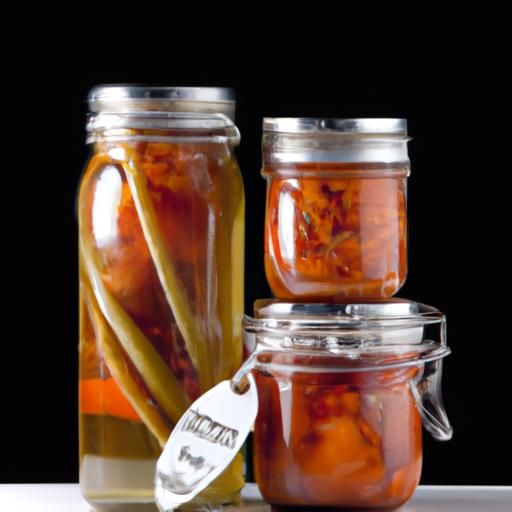
In the world of preserving, canning is an art-and like any art, it has its masters. If you’ve ever admired a shelf lined with jars bursting with vibrant fruits, tangy pickles, or rich sauces, you already know the magic behind turning fresh harvests into timeless treasures. But moving beyond basic recipes to master advanced canning techniques opens a whole new realm of possibilities. From perfecting pressure canning to experimenting with layered flavors and innovative jar preparations, this article will guide you step-by-step to preserve like a pro. Get ready to elevate your kitchen skills, safeguard your seasonal bounty, and create unforgettable flavors that last all year long.
Understanding the Science Behind Safe and Flavorful Canning
Mastering Advanced Canning Techniques: Preserve Like a Pro opens the door to a fascinating harmony of science and artistry. At its core, canning is about creating an airtight seal that safeguards flavor, texture, and nutrition while halting the growth of harmful bacteria.The chemistry behind safe canning involves precise temperature control and acid balance – factors that ensure your preserved foods retain their vibrant flavors and remain shelf-stable for months or even years.
Low-acid foods such as vegetables,meats,and fish require pressure canning to reach the high temperatures (240°F/116°C) necessary to destroy bacterial spores. Conversely, high-acid foods like fruits, pickles, and jams can be safely processed in a boiling water bath. Understanding the pH levels of your ingredients will help you choose the correct method. Additionally, knowing how heat penetrates through jars and foods helps you time your process accurately for consistent, flavorful results.
Selecting the Best Equipment for High-Quality Preservation
When it comes to quality preservation, the right tools make all the difference. Investing in a reliable pressure canner with adjustable racks and an accurate dial gauge will give you confidence in hitting those critical temperature thresholds every time. For boiling water bath canning, a deep, wide pot with a fitted lid and a canning rack ensures proper water circulation around each jar.
Glass canning jars with two-piece lids (flat metal lids plus screw bands) are industry standard, designed for a secure vacuum seal. Avoid old single-piece lids as their sealing reliability diminishes after one use. A magnetic lid lifter and jar funnel simplify the filling process and reduce mess, while a heatproof glove helps you handle hot jars safely.
Innovative Methods for Preserving Delicate and Uncommon Foods
Preserving delicate items like herbs, flowers, or unusual fruits requires finesse and creativity. Vacuum-sealing fresh herbs before flash-freezing locks in their fragrance, while gentle dehydration at low temperatures can yield flavored powders perfect for seasoning blends. For uncommon foods such as wild berries or exotic mushrooms,using salt or sugar brines in pickling can enhance natural flavors without overpowering them.
Another innovation is water bath canning with a modified acidification technique-adding lemon juice or citric acid to borderline pH fruits ensures safe preservation without compromising subtle tastes. Likewise, fermentation-based canning unlocks rich probiotic benefits and novel textures. Thes techniques encourage experimentation,expanding your repertoire beyond traditional jams and pickles.
Expert Tips for Troubleshooting Common Canning Challenges
Canning mishaps are common but easily fixed with some know-how. If lids fail to seal, check that jar rims are clean and free of chips. Undercooked preserves often stem from incorrect processing times or altitudes; using an altitude-adjusted canning chart can prevent this. When dealing with cloudy brine or liquid, it’s often caused by mineral deposits or improper salt selection; opt for pickling or kosher salt without additives.
Soft or mushy textures usually indicate to much heat or overripe produce at the start. To maintain crunch, choose crisp, just-ripe vegetables and avoid over-processing. Always leave recommended headspace to allow for expansion and vacuum formation during cooling. keeping detailed canning notes will help you track what works best for each recipe and batch.
Prep and Cook Time
- Readiness: 30 minutes
- Processing: 45 minutes to 1 hour (depending on method)
- Total: Approximately 1 hour 15 minutes
Yield
yields approximately 6 pint jars of preserved goods
Difficulty Level
Advanced – Recommended for those familiar with basic canning who want to expand their skills
Ingredients
- 6 cups of fresh picked heirloom tomatoes, washed and quartered
- 3 cups high-quality apple cider vinegar (5% acidity)
- 1 cup organic cane sugar
- 2 tbsp kosher salt (no additives)
- 4 cloves garlic, minced
- 2 tbsp fresh basil, finely chopped
- 1 tbsp freshly grated ginger
- 2 tsp citric acid powder (for pH balance)
- 6 standard 16 oz canning jars with lids and rings
Instructions
- Prepare Jars: Wash jars, lids, and rings thoroughly in hot soapy water. Rinse and keep jars warm in a simmering water bath to prevent cracking during filling.
- Make Brine: In a large saucepan, combine apple cider vinegar, sugar, kosher salt, garlic, ginger, and citric acid. Bring to a rolling boil, stirring until sugar and salt dissolve completely.
- Prepare Tomatoes: While the brine heats, blanch tomatoes in boiling water for 1 minute, then transfer to ice water to loosen skins. Peel and quarter each tomato, removing cores and any blemishes.
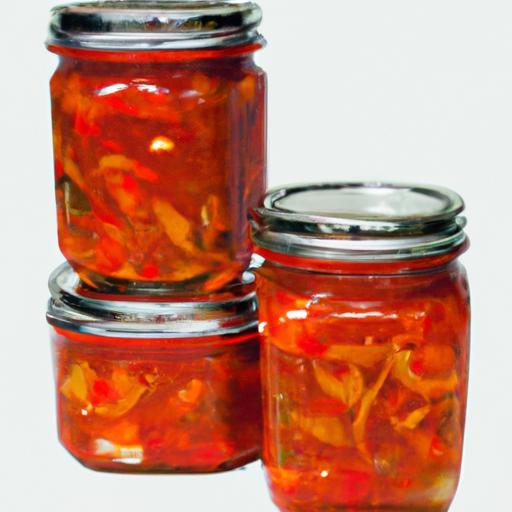
- Fill Jars: Using a jar funnel, pack tomatoes evenly into warm jars, leaving ½ inch headspace. Pour hot brine over tomatoes, ensuring liquid covers the produce completely but maintaining headspace.
- Remove Air Bubbles: Slide a non-metallic spatula along jar rims inside to dislodge air bubbles. Wipe rims carefully with a clean,damp cloth to remove any residue.
- Seal jars: Place flat lids onto jars, then screw on rings fingertip tight to avoid over-tightening.
- Process: submerge jars in a boiling water bath with at least 1 inch of water above lids. Process for 45 minutes at a steady boil, adjusting time for altitude if necessary.
- Cool and Store: Remove jars with a lifter and place on a towel-lined surface. Let cool undisturbed for 12-24 hours. Check seals by pressing lids – a firm, concave lid indicates proper sealing.
Chef’s Notes
- For a spicier twist, add 1 tsp red pepper flakes to the brine.
- Use distilled or filtered water to avoid cloudiness caused by minerals.
- Always test acidity using pH strips to ensure food safety, especially when adapting recipes.
- Store sealed jars in a cool, dark place for up to 12 months for best flavor retention.
- If lids do not seal properly after processing, refrigerate and consume within a week or reprocess using new lids.
Serving Suggestions
Enjoy these vibrant heirloom tomato preserves as a tangy topping on fresh artisan bread or as an accompaniment to roasted vegetables and grilled chicken. Garnish with fresh basil leaves and a drizzle of extra virgin olive oil for a rustic,Mediterranean-inspired presentation. for a gourmet twist, serve alongside creamy goat cheese for a balanced flavor contrast.

| Nutrient | Per Serving (1/2 cup) |
|---|---|
| Calories | 45 kcal |
| Protein | 1 g |
| Carbohydrates | 10 g |
| Fat | 0 g |
Explore more preservation methods and find inspiration in our in-depth Guide to Fermentation Basics. For detailed safety guidelines, visit the National center for Home Food Preservation.
Q&A
Q&A: Mastering Advanced Canning Techniques: Preserve Like a Pro
Q1: What distinguishes advanced canning techniques from basic canning methods?
A1: Advanced canning delves beyond simple water bath or pressure canning by incorporating finer control over heat, timing, and ingredient preparation. It often involves processing delicate or low-acid foods safely, experimenting with layered flavors, and using techniques like vacuum sealing, double-processing, or combining fermentation with canning to elevate preservation quality and shelf life. Think of it as moving from a home cook to a preservation artisan.
Q2: How can I safely preserve low-acid foods using advanced methods?
A2: low-acid foods like green beans, carrots, or mushrooms require pressure canning to reach the higher temperatures needed to destroy harmful bacteria such as Clostridium botulinum.Mastering pressure canning means understanding your equipment’s pressure settings, adjusting for altitude, and following tested recipes explicitly. Advanced practitioners also pre-treat ingredients-for example, blanching or using acidified brines-to ensure safety and texture.
Q3: What role does pH play in choosing the right canning technique?
A3: pH dictates whether water bath canning or pressure canning is suitable. Foods with a pH below 4.6 are high-acid and safe for boiling water bath canning-think tomatoes, fruits, or pickles. Low-acid foods above 4.6 necessitate pressure canning to achieve higher temperatures. Advanced canners sometimes adjust acidity-as an example, by adding lemon juice or vinegar-to safely process borderline foods while preserving taste and texture.
Q4: Are there any advanced tips for enhancing flavor during canning?
A4: Absolutely! Layering flavors before canning-such as roasting vegetables, caramelizing onions, or infusing brines with herbs and spices-creates depth that shines after months on the shelf. Additionally,precise control of processing times prevents overcooking,preserving freshness and texture. Some pros also use hybrid methods like fermenting before canning or pressure-sterilizing infused oils to capture complex flavor profiles safely.
Q5: What equipment upgrades should I consider to elevate my canning game?
A5: Beyond a sturdy pressure canner and water bath setup, investing in a digital thermometer for accurate temperature readings, a jar lifter with enhanced grip, and vacuum-sealing gadgets can make a big difference. Some enthusiasts use specialized canning lids with oxygen absorbers or silicone gaskets to extend freshness. Precision tools like pH meters help ensure acidification levels are spot on before sealing your treasures.
Q6: How can I troubleshoot common advanced canning challenges?
A6: Issues like lid failures, cloudy liquids, or texture loss frequently enough stem from temperature inconsistencies, improper sealing, or ingredient preparation lapses.Keeping a detailed canning log-recording ingredient sources, processing times, pressure readings, and even weather conditions-helps identify repeat issues. Practicing patience with jar sterilization, avoiding rapid cool-downs, and using tested recipes instead of improvising go a long way toward perfection.
Q7: Can I combine fermentation and canning for unique preservation styles?
A7: Yes! Fermentation introduces beneficial bacteria and tangy flavors, while canning locks in those benefits for long-term storage. Advanced preservers often ferment vegetables like cucumbers or cabbage for a few days to weeks, then pressure-can the batch to halt fermentation at the perfect point. This hybrid approach marries depth of flavor with shelf stability, but it requires careful pH monitoring and processing to guarantee safety.Q8: What’s the best way to store canned goods to maximize their shelf life?
A8: Store your jars in a cool, dark, and dry place with consistent temperature-ideally between 50-70°F (10-21°C). Avoid direct sunlight, which can degrade color and flavor, and maintain low humidity to prevent rusting lids.Labeling jars with contents and date helps with inventory rotation. For ultimate longevity, some preservation pros use breathable storage shelves, allowing air circulation to keep lids rust-free and seals strong.
Q9: How can mastering advanced canning techniques benefit my culinary adventures?
A9: Unlocking these skills transforms you from a simple preserver to a culinary alchemist, capable of capturing and enhancing seasonal harvests year-round. You’ll confidently tackle diverse recipes-be it garden vegetables, fruit conserves, or inventive pickles-and gift thoughtfully crafted pantry gems.Plus, advanced canning nurtures creativity, sustainability, and connection to food traditions with a modern twist. Preservation becomes both art and science in your hands.
Mastering advanced canning is more than a technique; it’s an invitation to experiment,celebrate seasons,and extend nature’s bounty with skill and passion. This Q&A offers a roadmap to elevate your preserving prowess-welcome to the ranks of true preservation pros!
To Wrap It Up
As you embark on your journey to master advanced canning techniques, remember that each jar sealed is not just food preserved-it’s a testament to patience, precision, and passion. with the right tools, knowledge, and a sprinkle of creativity, you’re no longer just canning; you’re crafting flavorful memories to savor long after the season’s bounty has faded. So roll up your sleeves, embrace the science and art behind every lid tightened, and preserve like a pro-as the true joy of canning lies in turning today’s harvest into tommorow’s delights. Happy preserving!