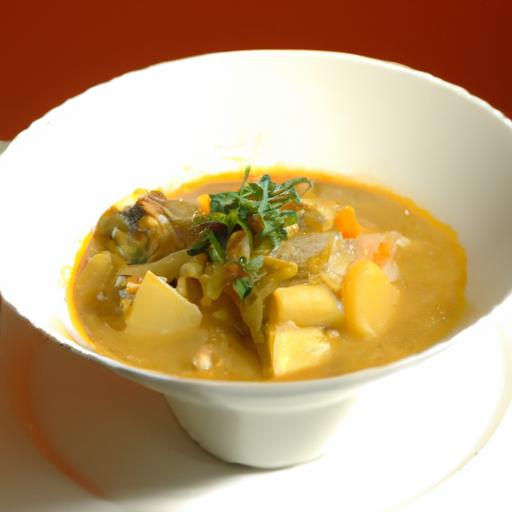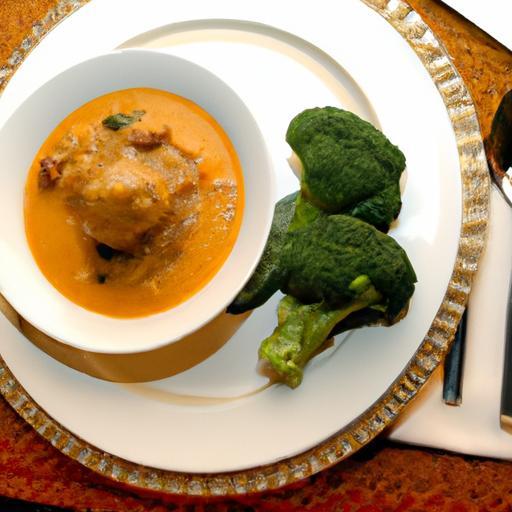
In kitchens across West and Central Africa,the humble fufu holds a place of honor-more than just a dish,it is a cultural cornerstone woven into the fabric of daily life and festivity alike. Soft, stretchy, and subtly tangy, fufu’s unassuming appearance belies its rich history and profound significance. From bustling city markets to quiet village hearths, this beloved staple serves as both sustenance and symbol, connecting generations through shared flavors and stories. In “Fufu Unveiled: Africa’s Beloved Staple Dish Explored,” we embark on a flavorful journey to uncover the origins, preparation, and cultural heartbeat of fufu-revealing why this simple dough continues to captivate taste buds and hearts across a continent.
Fufu is more than just a staple; it embodies centuries of African heritage, community spirit, and culinary ingenuity. This revered dish, cherished across West, central, and parts of East Africa, connects millions through its humble ingredients and transformative preparation. Traditionally crafted from cassava,yams,or plantains,fufu offers a smooth,elastic texture that perfectly soaks up rich,hearty soups and stews-making it the heart of countless family gatherings and cultural celebrations.
Prep and Cook Time
- Preparation: 15 minutes
- Cooking: 30 minutes
- Total Time: 45 minutes
Yield
Serves 4 hearty portions
Difficulty Level
Medium: Requires attentive stirring and timing for perfect texture
Ingredients
- 2 cups cassava flour (or fermented cassava for authentic sourness)
- 4 cups water, divided
- 1 cup plantain flour (optional, to blend flavors and texture)
- Pinch of salt
- Vegetable oil (for greasing hands to shape fufu)
Instructions
- Boil Water: Pour 3 cups of water into a large pot and bring to a rolling boil over medium-high heat.
- Mix Flours: In a bowl, combine cassava flour and plantain flour (if using) with the remaining 1 cup cold water, stirring into a smooth paste without lumps.
- Cook the Paste: Slowly pour the flour mixture into the boiling water, stirring vigorously with a wooden spatula or customary fufu stick to avoid clumps.
- Simmer and Stir: Reduce heat to medium-low and continue stirring with strength, folding and turning the dough until it thickens and pulls away from the pot’s sides-about 15-20 minutes.
- Achieve the Perfect Texture: The mixture is done when glossy, smooth, and elastic-similar to freshly kneaded dough. Add small splashes of water as needed to loosen if it feels to stiff.
- Shape fufu Balls: Lightly grease your palms with vegetable oil and scoop out portions, shaping them into round balls.
- serve Immediately: Transfer to a warmed bowl and cover to maintain softness until serving.
Chef’s Notes & Tips for Success
- Authentic Techniques: Traditional hands-on kneading and gentle stirring are key to the signature stretchiness of fufu-avoid overcooking, which leads to hardness.
- Variations: Experiment with mixing in plantain or yam flour to adjust taste and texture, adapting to regional nuances.
- Substitutions: For a gluten-free version, cassava and plantain flours are ideal; avoid wheat flours to keep authenticity.
- Make-Ahead: Fufu is best served fresh. If storing, keep it wrapped in a damp cloth and reheat gently over steam to restore softness.
- Troubleshooting: If lumpy, use a whisk briefly or add a little hot water while stirring to smooth out.
Serving Suggestions to Elevate Your Fufu Experience
For a truly immersive culinary journey, pair fufu with classic West African soups like egusi (melon seed soup), light vegetable soup, or rich groundnut stew. The beauty of fufu lies in how it absorbs complex flavors, offering a neutral canvas that amplifies the soup’s aromatic spices and textures.
Garnish meals with freshly chopped greens such as ugwu (fluted pumpkin leaves) or kale, a sprinkle of toasted peanuts for crunch, or a dash of palm oil to enrich the flavor profile. Serve with a side of spicy pepper sauce or fermented locust beans (iru) for an authentic punch. Family-style eating with hands and dipping fufu into communal bowls not only enhances flavor but fosters togetherness.
Modern Twists and Nutritional Insights for Health-Conscious Food Lovers
As health-conscious cooking gains traction, fufu is reimagined using whole-grain plantain and cassava flours, reducing refined starch content and preserving essential fiber. incorporating nutrient-dense additions like chia seeds or ground flaxseed into traditional flours subtly boosts omega-3s and antioxidants while maintaining texture.
For those mindful of glycemic load, balancing fufu portions with protein-rich soups or legumes ensures a sustained energy release. Since fufu is gluten-free and naturally vegan, it’s an excellent option for a range of dietary preferences and restrictions, making it both a hearty and wholesome choice.
| Nutrient | per Serving (approx.) |
|---|---|
| calories | 210 kcal |
| Protein | 1.5 g |
| Carbohydrates | 52 g |
| Fat | 0.1 g |
| Fiber | 3 g |

To deepen your exploration of African cuisine,discover our guide on African Soups That Perfectly Pair With Fufu. For more on the cultural heritage of traditional ingredients,visit Britannica’s Feature on Fufu.
Q&A
Q&A: Fufu Unveiled: Africa’s Beloved Staple Dish Explored
Q1: What exactly is fufu, and why is it so cherished across Africa?
A1: Fufu is a soft, dough-like staple food made primarily from starchy vegetables like cassava, yams, or plantains. It’s beloved because it’s more than just nourishment-it’s a cultural symbol of unity and tradition. Fufu serves as the heart of countless African meals, bringing families and communities together through shared bowls and stories.
Q2: How is fufu traditionally prepared, and dose the method vary across regions?
A2: Traditionally, fufu is made by boiling starchy ingredients until tender, then pounding them into a smooth, elastic dough using a mortar and pestle. In West Africa, cassava and plantain blends are common, while in other regions, yams or cocoyams take center stage. The rhythmic pounding isn’t just a step in preparation-it’s a communal act, often accompanied by music and laughter.
Q3: What makes fufu unique compared to other staples like rice or bread?
A3: Fufu’s uniqueness lies in its texture and role. unlike rice or bread, it’s dense yet pliable, designed to be dipped and scooped into richly flavored soups and stews rather than eaten alone. Its neutral taste acts as a perfect canvas, balancing the bold, spicy, and aromatic profiles of African sauces.
Q4: Are there modern twists on fufu, or is it largely a traditional dish?
A4: While fufu is deeply traditional, modern culinary creativity has spurred innovations like fufu fries, fufu balls, and even fusion recipes that mix traditional fufu flours with modern grains. Despite thes twists, the heart of fufu remains-a humble, versatile staple that connects generations.
Q5: What are some popular soups or stews that pair beautifully with fufu?
A5: Fufu shines when paired with hearty, flavorful soups like egusi (melon seed stew), okra soup, palm nut soup, and groundnut (peanut) stew.These dishes burst with spices,textures,and aromas,turning a simple meal into a celebration of African culinary heritage.Q6: Can people outside Africa enjoy making and eating fufu at home?
A6: Absolutely! While traditional preparation might require a mortar and pestle, modern kitchens can recreate fufu’s magic using food processors or stand mixers combined with available ingredients like cassava flour or plantain flour. Sharing fufu at home invites an authentic taste of Africa’s warmth and hospitality into any kitchen.
Q7: Beyond nutrition, what cultural significance does fufu hold?
A7: Fufu embodies community, respect, and tradition. It’s often prepared during family gatherings, celebrations, and rites of passage. Eating fufu together symbolizes unity and mutual care, reinforcing bonds in a deliciously tangible way.
Q8: How does fufu contribute to the identity of African cuisine on the global stage?
A8: Fufu is a culinary ambassador, showcasing the resourcefulness and diversity of African food traditions. its rising popularity globally invites curiosity,recognition,and respect for African cultures,encouraging food lovers everywhere to savor not just a dish,but a story-centuries in the making.
Insights and Conclusions
As we peel back the layers of fufu, this humble yet hearty dish emerges not just as sustenance, but as a vibrant symbol of African heritage and communal spirit. From the rhythmic pounding in rustic village kitchens to the steaming bowls shared among friends and family, fufu tells a story of tradition, resilience, and unity that transcends borders. Whether enjoyed with spicy soups or succulent stews, each bite carries with it centuries of culture and the warmth of home. In unveiling fufu, we gain more than culinary insight-we glimpse the soul of a continent where food is both a daily ritual and a celebration of life itself.