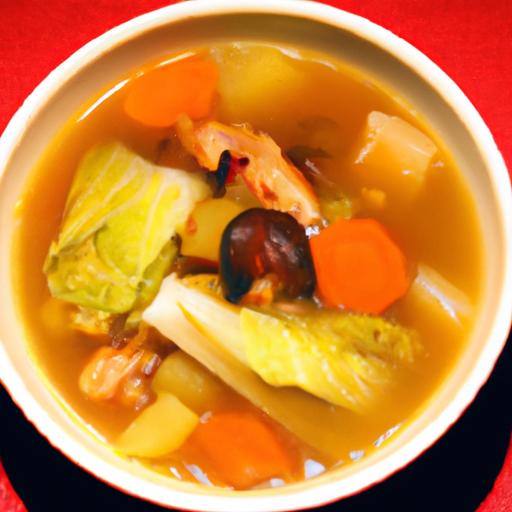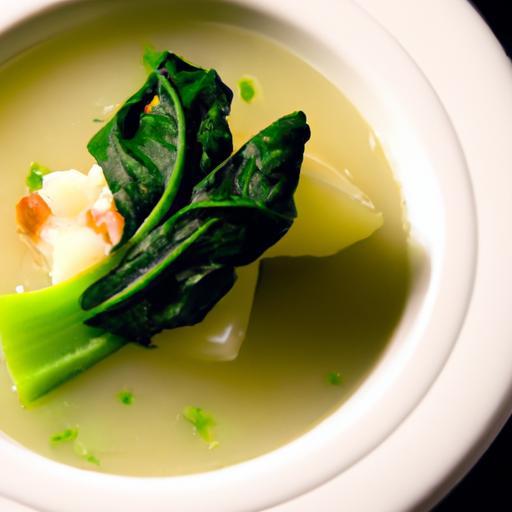
There’s something profoundly comforting about a bowl of soup – a global embrace in a liquid form that transcends borders and cultures. From the aromatic broths simmering in bustling street markets to the creamy, velvety stews spooned out in cozy kitchens, soup tells stories of heritage, climate, and community with every slurp. In this savory journey across continents, we’ll explore the rich diversity of global soups: the spices that awaken the senses, the ingredients that root us to the earth, and the rituals that transform a simple meal into a cherished tradition. So, grab your spoon and warm your hands; it’s time to savor soup in all its vibrant, soul-stirring glory.
The Art of Broth Crafting Across Cultures: Signature Ingredients and Pairings
Savoring Soup means embracing a culinary journey that highlights how broth-the heart of every soup-transforms with the touch of regional flavors and centuries-old traditions.Across continents, broth crafting reveals a symphony of ingredients that define each bowl’s unique spirit, from the clear umami-driven dashi of Japan to the aromatic, herb-laced consommé of France, or the robust, spice-infused broths of Southeast Asia.
My own adventures in savoring soup began with a simple homemade chicken broth simmered with fresh ginger and lemongrass for a Vietnamese pho-inspired meal. The fragrant steam that filled my kitchen was intoxicating and reminded me how broth is more than a base-it is indeed the soulful essence that narrates a culture’s story.
Prep and Cook Time
- Prep: 20 minutes
- Cook: 3 hours (slow simmer for maximum flavor)
Yield
Approximately 6 servings
Difficulty Level
Medium – Requires patience and attention to detail, but no advanced skills
Ingredients
- 2 lbs organic chicken bones or a mix of chicken carcass and feet, cleaned
- 12 cups filtered water
- 1 large yellow onion, halved (skin on for richness)
- 3-inch piece of fresh ginger, sliced thin
- 4 cloves garlic, smashed
- 2 stalks lemongrass, bruised and cut in thirds
- 1 cinnamon stick
- 2 star anise pods
- 1 tbsp coriander seeds
- 1 tbsp black peppercorns
- Salt to taste
- Fresh herbs (cilantro, Thai basil, mint) for garnish and finishing
Instructions
- Roast the bones: Preheat your oven to 400°F (200°C). Spread the chicken bones on a baking sheet and roast for 25-30 minutes until golden brown, turning once.this step caramelizes the bones and deepens the broth’s flavor.
- Prepare aromatics: While the bones roast, char the onion halves and ginger slices in a dry skillet over medium heat until slightly blackened to add complexity.
- Simmer broth: In a large stockpot, add the roasted bones, charred onion, ginger, garlic, lemongrass, cinnamon, star anise, coriander seeds, peppercorns, and filtered water.
- Bring to a boil,then reduce heat to the lowest simmer. Skim any scum or foam from the surface during the first hour to keep your broth clear and refined.
- Simmer gently for 2.5 to 3 hours uncovered, maintaining a gentle simmer.Resist boiling rapidly, as it can cloud the broth and break down delicate flavors.
- Strain the broth: Remove solids with a slotted spoon and strain through a fine mesh sieve lined with cheesecloth for an ultra-clear finish.
- Season with salt gradually; taste frequently to achieve your preferred balance.
- Optional chilling: Let the broth cool, then refrigerate overnight. The fat will solidify on top and can be scraped off, leaving a leaner, cleaner broth. Reheat gently before serving.
Chef’s Notes
- ingredient swaps: For a vegetarian twist inspired by Japanese kombu and shiitake broths, substitute bones with dried shiitake mushrooms and kombu seaweed.
- Flavor layering: Toast spices like star anise and coriander seeds lightly before adding for a more vibrant aroma.
- Make-ahead: This broth freezes beautifully. Portion into airtight containers and freeze up to 3 months for quick global-inspired soups.
- Clear broth tips: Avoid rapid boil and wait until the foam naturally rises to the surface before skimming.
Serving Suggestions
This broth is a brilliant canvas for global soup creations. Transform it instantly into a Vietnamese Pho with fresh rice noodles, thinly sliced beef, and fragrant herbs. Alternatively, ladle it into bowls and pair with crusty artisan bread and a crisp cucumber salad dressed with lemon and chili for a refreshing counterbalance.
To elevate the experience further, pair this delicate broth-based soup with a chilled jasmine tea or a light, citrusy sparkling water infused with fresh mint.Finishing touches like microgreens, thinly sliced scallions, or a drizzle of toasted sesame oil will add an inviting aroma and visual appeal.
| Nutrient | Per Serving |
|---|---|
| Calories | 120 kcal |
| Protein | 15g |
| Carbohydrates | 1g |
| Fat | 5g |

To explore more about the cultural intricacies of broth crafting and the science of soup making, visit the Serious Eats guide on broths.
Q&A
Q&A: Savoring Soup – A Warm Journey Through Global Bowls
Q1: What makes soup such a beloved dish around the world?
A: Soup is a universal comfort that transcends cultures, offering a warm embrace in a bowl. Its magic lies in its versatility-soups can be hearty or light, simple or complex, nourishing body and soul alike. They frequently enough tell stories of tradition, local ingredients, and time-honored techniques, making every bowl a taste of heritage.
Q2: How do different cultures incorporate unique ingredients into their soups?
A: Every region brings its own signature touch. In japan, miso soup celebrates fermented soybean paste and seaweed. In West Africa, groundnut soup combines rich peanut flavors with spices. The middle East offers lentil soups infused with cumin and citrus. These distinct ingredients create vibrant layers of flavor, reflecting each culture’s palate and landscape.
Q3: are there common techniques in soup-making across various cuisines?
A: Indeed, while ingredients differ, many soups share foundational methods: slow simmering to extract depth, layering flavors through sautéed aromatics, and balancing textures by adding fresh herbs or crunchy garnishes. These techniques create complexity and comfort, inviting diners to slow down and savor every spoonful.
Q4: Can you recommend some lesser-known soups that offer a unique culinary experience?
A: Certainly! Try Thailand’s Tom Kha, a creamy coconut and galangal broth with a hint of lime; Romania’s ciorbă, a tangy vegetable soup brightened by lovage and lemon; or Peru’s chupe, a hearty blend of corn, potatoes, and spices. Each invites discovery through its uncommon yet harmonious flavor profile.
Q5: How can someone at home recreate authentic global soup flavors without exotic ingredients?
A: Start by focusing on fresh, seasonal produce and quality broths. Use familiar herbs and spices to mimic the essence-like ginger and garlic to hint at Asian profiles, or smoked paprika for a taste of Spain’s rich stews. Experiment with layering flavors, adjusting acidity, and balancing saltiness to capture the soul of each cuisine in your own kitchen.
Q6: What role do soups play in cultural rituals or daily life?
A: Soups often mark celebrations, healing, and family gatherings. From a Moroccan Harira served during Ramadan to a traditional Russian borscht passed down through generations, soups nourish more than the body-they foster connection, memory, and care.
Q7: How does soup reflect the relationship between people and their environment?
A: Soups are a mirror of the land-root vegetables from cool climates, tropical spices from equatorial zones, fresh seafood near coasts. They highlight lasting,seasonal eating,making soup both a cultural and ecological story in a bowl.
Q8: What makes soup a perfect dish for self-care?
A: Soup’s warmth soothes and hydrates, while its nutrients restore energy. The ritual of making and eating soup can be meditative, fostering mindfulness and comfort during times of stress or illness. Its simplicity and adaptability make it a timeless ally in nurturing wellbeing.
through each sip of global soups,we partake in a shared heritage-one spoonful at a time,a journey of warmth,flavor,and connection.
To Wrap It Up
As our fragrant voyage through global bowls draws to a close, we find that soup is far more than just a soothing sip-it is a tapestry of culture, history, and comfort woven into every ladle.From the spicy depths of Southeast Asian broths to the hearty, rustic stews of European hearths, each bowl tells a story waiting to be savored. So next time you cradle a warm cup of soup, remember you’re partaking in a centuries-old ritual, a universal language that warms not just the body, but the soul. Hear’s to continuing the journey-one spoonful at a time.