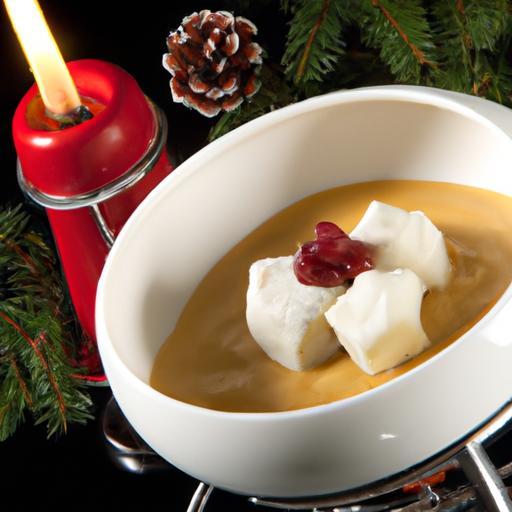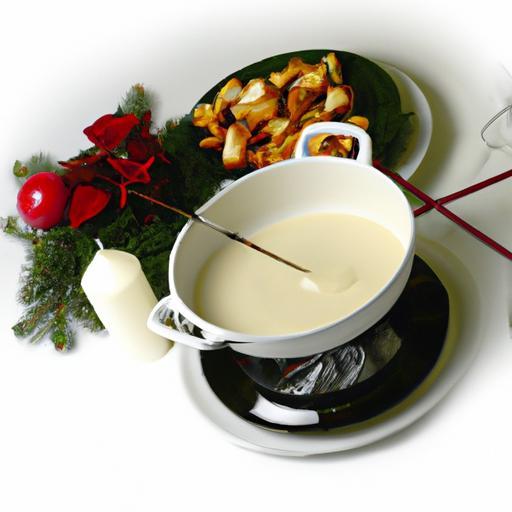
There’s something irresistibly enchanting about a bubbling pot of molten cheese, its golden tendrils swirling with promises of warmth, comfort, adn conviviality. Swiss fondue, a culinary tradition steeped in history and heritage, has enchanted palates around the world for centuries.More than just a dish, fondue is a ritual-a harmonious dance of melted magic that brings peopel together, inviting them to dip, savor, and share stories by the flickering flame. In this article, we embark on a flavorful journey through the timeless Swiss fondue tradition, uncovering its origins, cultural meaning, and the secrets behind its creamy, dreamy allure. Join us as we explore how this humble yet iconic pot of cheese became a symbol of Swiss hospitality and a beloved global comfort food.
Melted Magic: Exploring the timeless Swiss fondue Tradition
Melted magic unfolds when you dip into a steaming pot of authentic Swiss fondue, a culinary tradition that’s both a festive centerpiece and a heartfelt ritual. This enchanting dish, born in the snow-covered Alps, invites friends and family to gather around melted cheese glory, celebrating warmth and togetherness even on the coldest nights. As you embark on crafting this iconic recipe, you’ll discover the delicate balance of heritage, craftsmanship, and flavors that make Swiss fondue an experience unlike any other.
Prep and cook time
- Preparation: 15 minutes
- Cooking: 15 minutes
- Total time: 30 minutes
Yield
Serves 4 generous portions
difficulty Level
Medium – a rewarding blend of technique and patience that guarantees success
Essential Ingredients
- 1 garlic clove, halved
- 1 ½ cups (375 ml) dry white grape juice or high-quality vegetable broth
- 200g (7 oz) Gruyère cheese, grated
- 200g (7 oz) Emmental cheese, grated
- 1 teaspoon cornstarch
- 1 tablespoon lemon juice
- 1 tablespoon kirsch (cherry brandy) – optional but customary
- Freshly ground black pepper to taste
- Freshly grated nutmeg, a pinch
- A pinch of sea salt
Instructions: Mastering the Melt
- Prepare the pot: Rub the inside of a heavy-bottomed fondue pot or cast-iron dutch oven with the cut garlic cloves. This imparts a gentle, aromatic foundation.
- Heat the liquid: Pour the white grape juice or vegetable broth into the pot and warm over medium heat until just simmering. Avoid boiling to preserve the delicate acidity.
- Combine the cheeses and cornstarch: Toss the Gruyère and Emmental with cornstarch in a bowl to ensure smooth melting and prevent clumping.
- Add the cheese gradually: Slowly sprinkle the cheese into the simmering liquid, stirring constantly with a wooden spoon in a figure-eight motion. The melted magic happens now-watch the cheese transform into a velvety ribbon of molten bliss.
- Incorporate lemon juice and kirsch: Stir in lemon juice to brighten flavors and the kirsch to deepen richness; both are crucial for that traditional Swiss flair.
- Season and finish: Sprinkle freshly ground pepper, a pinch of salt, and nutmeg. Continue stirring gently until the fondue is smooth and glossy, just before it starts to bubble vigorously.
- Serve promptly: Transfer the pot to a tabletop burner to maintain perfect temperature. Keep stirring occasionally to prevent separation or burning at the base.
Tips for Success: Chef’s Notes on Melted Magic
- Cheese Selection: Opt for high-quality, aged Gruyère and Emmental.Their unique nutty and creamy profiles create the ideal harmony; substitutions may alter texture and taste significantly.
- Controlling Heat: Low and slow is your mantra. Rapid boiling breaks down the emulsion and results in a grainy texture. stir gently but consistently for the silkiest result.
- Kirsch Option: If avoiding alcohol, a splash of freshly squeezed apple cider vinegar or additional lemon juice offers the necessary acidity.
- Make-Ahead: Prepare the cheese blend in advance and keep refrigerated.Melt just before serving for freshest flavor and texture.
- Troubleshooting: If the fondue splits, stir in a teaspoon of cold water or lemon juice off the heat to reincorporate the fats.
serving Suggestions: Pairing Perfection
Present your melted magic with an assortment of dippers that complement and contrast the rich cheese bliss:
- Rustic cubes of crusty artisan bread (think baguette or sourdough), lightly toasted
- Steamed baby potatoes for a hearty bite
- Fresh seasonal vegetables: crisp carrot sticks, blanched broccoli florets, and slices of tart green apple
- Cornichons and mild pickled onions to cut through the richness
- For garnish: sprinkle fresh chopped chives or cracked black pepper atop the fondue before serving
Although wine is traditionally paired, for an alcohol-free alternative, try chilled apple cider or a delicate white grape juice with crisp acidity.For a refined experience, this guide on pairing wine with cheese fondue from Wine Enthusiast provides expert suggestions minus any pork-based products.
| Nutrient | Per Serving |
|---|---|
| Calories | 420 kcal |
| Protein | 22 g |
| Carbohydrates | 18 g |
| Fat | 30 g |

for more inspiration on alpine cheeses and traditional European recipes, explore our classic alpine cheese dishes collection. Melted magic inviting all to dip, share, and savor awaits-unlock this timeless comfort food with every delicious bite.
Q&A
Q&A: Melted Magic – Exploring the Timeless Swiss Fondue Tradition
Q1: What makes Swiss fondue such a beloved culinary tradition?
A: Swiss fondue is much more than melted cheese in a pot-it’s a communal experience steeped in history and warmth. The magic lies in its simplicity and the way it brings people together around a bubbling caquelon (fondue pot), encouraging sharing, stories, and laughter over the irresistible pull of gooey, golden cheese.
Q2: Where did fondue originate, and how did it become a symbol of Swiss culture?
A: Fondue’s roots trace back to the Swiss Alps, where villagers needed a hearty, warming meal during harsh winters. Melted cheese, combined with bread and simple seasoning, offered sustenance and comfort. Over time, this peasant dish evolved into a national treasure-an edible emblem of Swiss unity, tradition, and alpine hospitality.
Q3: What kinds of cheese are typically used in traditional Swiss fondue?
A: Classic Swiss fondue usually features a harmonious blend of cheeses like Gruyère and Emmental. Gruyère brings a rich, nutty depth, while Emmental adds a mild creaminess with a slightly sweet note.The cheeses are melted together for a velvety texture that’s perfect for dipping.Q4: Aside from bread, what else can be dipped into fondue?
A: While crusty cubes of baguette or rustic bread are fondue staples, adventurous fondue-lovers also enjoy dipping crisp vegetables-think blanched broccoli, baby potatoes, or tender mushrooms.Even slices of crisp apple or pear offer a sweet contrast that complements the savory cheese beautifully.
Q5: What is the secret to achieving the perfect cheese fondue?
A: The secret is gentle, patient heat and the right ratio of ingredients. Cheese must melt slowly over low heat, often with a touch of starch (like cornstarch) to achieve that smooth, non-clumpy consistency. Stirring in a little garlic rubbed on the pot’s inside or a dash of lemon juice helps balance richness and keeps the cheese silky.
Q6: How is serving Swiss fondue traditionally approached?
A: Serving fondue is a ritual in itself. The fondue pot, heated over a small flame or burner, stays warm at the center of the table. Each diner spears a piece of bread on a long fondue fork, swirls it in the molten cheese, and enjoys it slowly-turning fondue into an interactive, cozy feast where everyone becomes part of the culinary story.
Q7: Can fondue adapt to modern tastes without losing its classic charm?
A: Absolutely! While tradition anchors fondue in its beloved flavors and methods, creative cooks today experiment with additional herbs like thyme or nutmeg, or pair the cheese with novel dippers such as roasted vegetables or gluten-free bread. These touches honor fondue’s heritage while inviting new palates to the party.
Q8: What makes fondue such a perfect winter or holiday meal?
A: Fondue warms both body and spirit during chilly months. The bubbling pot at the center invites slow dining, encouraging relaxation and connection. It’s less about rushing through a meal and more about savoring the moments between familial hugs, candlelight glimmers, and the rich, comforting taste of Swiss melted magic.
Delve into fondue,and you immerse yourself in a deliciously melted slice of Swiss heart and history-an edible tradition as timeless as the mountains themselves.
In Summary
As the last golden threads of melted cheese stretch from pot to plate, the timeless Swiss fondue tradition reminds us that some rituals are meant to be savored slowly-around shared tables, amid laughter and stories that warm more than just the palate. This gooey, communal experience is more than a meal; it’s a celebration of heritage, togetherness, and the simple magic that happens when tradition and taste intertwine. So next time you dip into a bubbling pot of Swiss fondue, remember you’re partaking in a legacy that has melted hearts for centuries-and that, truly, is a flavor worth savoring.