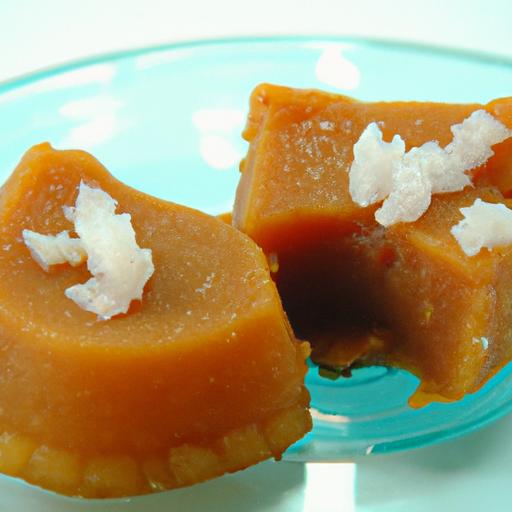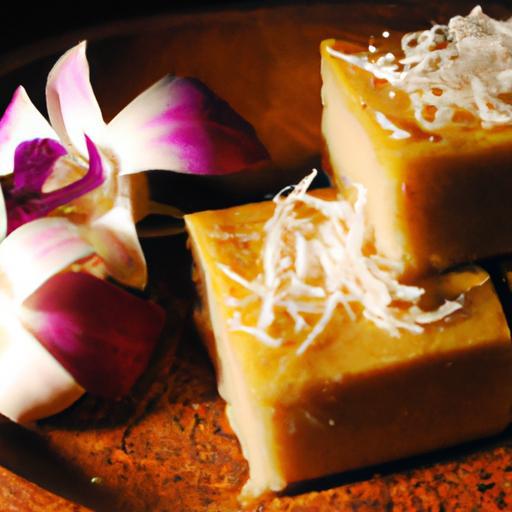
Nestled among Thailand’s vibrant tapestry of traditional desserts lies a sweet gem that captivates both the eye and the palate-Thai Khanom Tarn, the beloved palm sugar cake.With its humble origins and simple ingredients, this enchanting treat carries the rich aroma of caramelized palm sugar and the delicate chewiness of steamed rice flour, inviting you on a sensory journey through thai culture and culinary heritage. In this article, we’ll unwrap the story behind Khanom Tarn, explore its unique flavors, and discover why this unassuming cake continues to charm locals and travelers alike, one bite at a time.
thai Khanom Tarn, also known as palm sugar cake, is a delightful traditional treat that captures the essence of Thailand’s rich culinary heritage. This charming dessert holds a special place in Thai culture, often enjoyed during festive occasions and family gatherings. Its unique texture and fragrant sweetness make it a timeless favourite among locals and visitors alike, inspiring countless culinary enthusiasts to recreate its magic in their own kitchens.
Prep and Cook time
- Preparation Time: 15 minutes
- Cooking Time: 20 minutes
- Total Time: 35 minutes
Yield
Makes 12 palm sugar cakes (servings)
Difficulty Level
Easy to Medium – Perfect for adventurous home cooks looking to explore authentic Thai sweets
Ingredients
- 1 cup palm sugar, grated (preferably Thai palm sugar for authentic flavor)
- 1 cup coconut milk (full-fat for richness)
- 3/4 cup rice flour (you can use jasmine rice flour for fragrance)
- 1/3 cup tapioca starch (this adds chewiness)
- 1/4 teaspoon salt
- 1 large egg
- 1/4 cup shredded fresh coconut (unsweetened, for topping)
- Banana leaves or parchment paper (to line the molds, optional but traditional)
Instructions
- Prepare the palm sugar syrup: In a small saucepan, combine the grated palm sugar and coconut milk over low heat. Stir gently untill the sugar fully dissolves into a smooth syrup. Remove from heat and let it cool slightly.
- Mix dry ingredients: In a large mixing bowl, whisk together the rice flour, tapioca starch, and salt until evenly combined.
- Combine wet and dry: Slowly pour the palm sugar syrup into the flour mixture while stirring continuously to form a smooth, thick batter free of lumps.
- Add the egg: Lightly beat the egg and fold it into the batter for extra structure and moisture.
- Prepare your molds: Line small muffin tins or traditional Thai small cups with banana leaves or parchment paper.Lightly grease the molds to prevent sticking.
- Fill the molds: Pour the batter about 3/4 full into each mold. Top each cake with a small pinch of shredded fresh coconut.
- Steam the cakes: Place the molds in a steamer basket over boiling water, cover, and steam for 15-20 minutes. Check doneness by inserting a toothpick; it should come out clean.
- Cool and serve: Remove the cakes and allow them to cool slightly before gently lifting them out of their molds. Serve warm or at room temperature.
Tips for Perfecting Your Khanom Tarn Every Time
- Use authentic Thai palm sugar: This is the heart of flavor-substituting with regular brown sugar diminishes the complexity.
- Balance moisture: Coconut milk richness should be just right to keep the cakes tender but not soggy.
- Tapioca starch is key: It brings that chewy, slightly bouncy texture essential to these cakes.
- Steaming gently: Always steam over medium heat to avoid cracking or drying out the cakes; a tight lid keeps steam consistent.
- Optional banana leaf aroma: Wrapping the molds with banana leaves adds a subtle earthy fragrance, enhancing the experience.
- Make ahead: These cakes keep well at room temperature for a day or overnight when covered with a clean cloth.
Serving Suggestions
Present your palm sugar cakes on a traditional wooden tray or vibrant Thai ceramics for a striking contrast. Garnish each cake with a light sprinkle of toasted sesame seeds or an extra pinch of freshly shredded coconut to heighten texture and visual appeal. Pair them with a cup of jasmine tea or Thai iced tea, allowing the fragrant notes to complement the sweet, caramel undertones of the dessert.
| Nutrient | Per Serving |
|---|---|
| Calories | 120 kcal |
| Protein | 2 g |
| Carbohydrates | 25 g |
| Fat | 3.5 g |

For further exploration on authentic Thai desserts, discover how you can create a full Thai sweet table right at home. Also, delve deeper into the cultural roots of palm sugar by visiting the Encyclopaedia Britannica’s palm sugar overview.
Q&A
Q&A: Thai Khanom Tarn - Discover the Sweet Charm of Palm Sugar Cake
Q1: What is Khanom Tarn, and why is it so special in Thai cuisine?
A1: Khanom Tarn is a traditional Thai dessert known as palm sugar cake. It’s beloved for its soft, moist texture and subtly sweet flavor, which comes primarily from natural palm sugar and fresh coconut.This humble cake carries the warm essence of Thai culture and is often enjoyed as a snack or dessert during festivals and family gatherings.Q2: What are the main ingredients that give Khanom Tarn its unique flavor?
A2: The star ingredients are palm sugar, glutinous rice flour, and fresh coconut milk. Palm sugar adds a rich caramel-like sweetness with earthy undertones, while coconut milk gives the cake a creamy, luscious texture. Some recipes also include a dash of sesame seeds or shredded coconut on top for added flavor and crunch.
Q3: How is Khanom Tarn traditionally prepared?
A3: Traditionally, the batter is made by mixing glutinous rice flour with palm sugar syrup and coconut milk until smooth. The mixture is than poured into small, round molds or banana leaf cups and steamed until set. The steaming process ensures a tender, chewy texture that’s distinctively Thai-soft yet firmly holding its shape.
Q4: What cultural significance does Khanom Tarn hold in Thailand?
A4: Khanom Tarn is more than just a sweet treat; it symbolizes the harmony of natural flavors and Thai culinary heritage.Frequently enough served during auspicious occasions, it reflects Thai craftsmanship in dessert-making and embodies the country’s recognition for simple, natural ingredients.Sharing Khanom Tarn is a gesture of warmth and hospitality.
Q5: Can khanom Tarn be customized or modernized without losing its traditional charm?
A5: Absolutely! While the classic recipe is beloved, modern cooks often experiment by adding pandan essence for a vibrant green color and fragrant notes, or topping it with toasted coconut flakes for extra texture. Though,the core flavors of palm sugar and coconut remain essential to preserve its authentic character.
Q6: Where can someone try authentic Khanom Tarn outside of Thailand?
A6: Many Thai restaurants with an emphasis on traditional desserts offer Khanom Tarn. Additionally, specialty Asian markets or Thai dessert workshops often showcase this treat.For the adventurous, making it at home is a rewarding project that brings a slice of Thailand into your kitchen.
Q7: What makes palm sugar a preferred sweetener for Khanom Tarn compared to regular sugar?
A7: Palm sugar provides a deeper, more complex sweetness than regular white sugar. Its subtle caramel and molasses notes complement the coconut milk perfectly, bringing warmth without overpowering the delicate flavors. Plus,it’s a natural,less-refined sweetener,aligning with the dessert’s wholesome and traditional roots.
Q8: How should Khanom Tarn be stored to preserve its freshness?
A8: Because it is steamed and contains coconut milk,Khanom Tarn is best enjoyed fresh. If needed, store it in an airtight container in the refrigerator for up to 2-3 days. Re-steaming or lightly microwaving before serving can help restore its soft texture.
Q9: Are there any similar desserts to Khanom Tarn in other southeast Asian cuisines?
A9: Yes,many Southeast Asian cultures have variations of palm sugar and coconut-based steamed cakes. for example, Indonesia’s kue mangkok or Malaysia’s kuih talam share similarities in ingredients and cooking methods, highlighting a delightful regional thread of sweet traditions centered around simple, natural ingredients.
Q10: Why should someone include Khanom Tarn in their dessert repertoire?
A10: Khanom Tarn offers a gentle introduction to Thai sweets-its balanced sweetness, intriguing texture, and cultural depth make it a memorable treat. whether you’re a food lover eager to explore global flavors or someone who appreciates handmade desserts, this palm sugar cake invites you to savor Thailand’s sweet charm in every bite.
Future Outlook
As we close the chapter on the enchanting world of Thai Khanom Tarn, it’s clear that this humble palm sugar cake is much more than just a sweet treat.With its delicate balance of rich, caramel notes and a soft, fragrant texture, Khanom Tarn invites us to savor a slice of Thailand’s culinary heritage-one that honors simplicity, tradition, and the natural sweetness found in every bite. Whether you’re a curious traveler, a passionate foodie, or someone seeking to explore new flavors, the charm of Khanom Tarn is sure to leave a lasting impression on your palate and your heart. So next time you stumble upon this golden gem in a local market or a bustling street stall, remember: you’re tasting a piece of history, crafted with love and wrapped in the stories of Thai culture. Sweet journeys await.