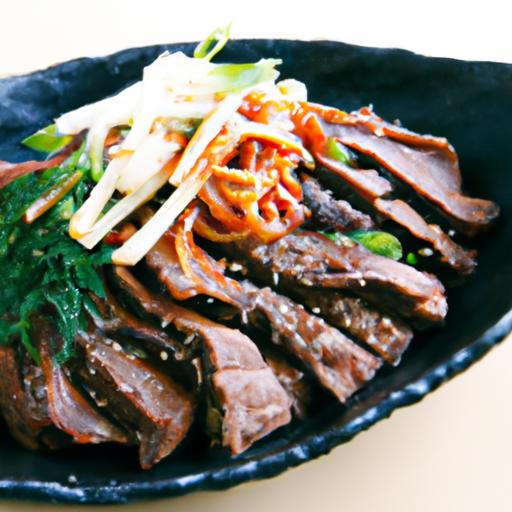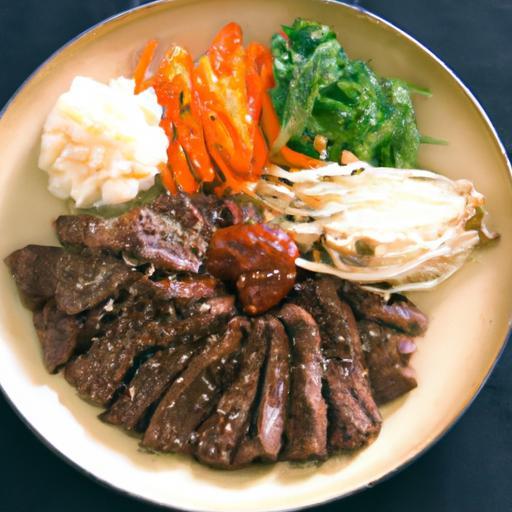
There’s something irresistibly comforting about a steaming bowl of perfectly seasoned beef, tender rice, and vibrant toppings coming together in one harmonious dish. Korean beef bowls,with their rich blend of sweet,savory,and umami flavors,have captured the hearts and palates of food lovers around the world. Whether you’re a seasoned cook or a curious foodie, this guide will walk you through the art and science of crafting the perfect Korean beef bowl-delivering a mouthwatering experience that’s equal parts simple joy and culinary adventure.Get ready to savor every bite as we unlock the secrets behind this beloved Korean classic.
Savor the Flavor starts with selecting the ideal beef cut that promises tenderness and rich taste in every bite. Korean beef bowls are an artful balance of texture and seasoning, and the foundation lies in choosing cuts like ribeye, sirloin, or chuck eye roll. These cuts boast enough marbling to keep the beef juicy while absorbing the sweet-savory marinade perfectly, ensuring each slice melts on your tongue. Whether you crave a swift stir-fry style or a gently caramelized finish, prioritizing quality beef elevates the dish immeasurably.
Prep and Cook Time
- Preparation: 20 minutes
- Marinating: 1 hour (minimum)
- Cooking: 10 minutes
- Total Time: Approximately 1 hour 30 minutes
Yield
Serves 4 generous bowls
Difficulty Level
Medium – Perfect for home cooks ready to master authentic Korean flavors with approachable techniques.
Ingredients
- 1 lb beef ribeye, thinly sliced against the grain
- 1/4 cup soy sauce (use low sodium for balance)
- 2 tbsp brown sugar or Korean corn syrup (mulyeot)
- 2 tbsp toasted sesame oil
- 4 cloves garlic, finely minced
- 1 tsp freshly grated ginger
- 1/2 small Asian pear, grated (for natural sweetness and tenderizing)
- 1/4 tsp black pepper
- 1 tbsp toasted sesame seeds (for garnish)
- 3 cups short-grain white rice (e.g., Korean sticky rice)
- 2 1/2 cups water for steaming rice
- 1 cup julienned cucumber (optional topping)
- 1 cup kimchi (classic fermented side)
- 2 green onions, thinly sliced
- 1 tbsp gochujang (Korean chili paste, optional for heat)
Instructions
- Prepare the marinade: In a bowl, whisk together soy sauce, brown sugar, sesame oil, garlic, ginger, grated pear, and black pepper until sugar dissolves. The pear naturally tenderizes the beef while introducing a subtle fruity sweetness that defines authentic Korean beef bowls.
- Marinate the beef: Combine thinly sliced ribeye with the marinade in a shallow dish.Toss gently ensuring every slice is coated. Cover and refrigerate for at least 1 hour, ideally 2, to deepen flavor infusion.
- Wash and cook the rice: Rinse short-grain rice under cold water until the water runs clear to remove excess starch. Drain well. In a medium pot, combine rice with 2 1/2 cups water. Bring to a boil, then reduce heat to low, cover tightly, and simmer 15 minutes until water is absorbed and rice is fluffy.Let rest covered off heat for 10 minutes before fluffing with a fork.
- Sauté the beef: Heat a large skillet or cast-iron pan over medium-high heat.Add marinated beef in a single layer-do not overcrowd. Cook just until the edges caramelize and the beef is cooked through, about 2-3 minutes per side. Work in batches if necessary to maintain a gorgeous sear and avoid steaming.
- Assemble the bowl: Spoon steamed rice into bowls. Top with a generous portion of sautéed beef. Garnish with sliced green onions, toasted sesame seeds, and a side of crisp cucumber and vibrant kimchi for that umami kick and crunch.
- Add final touches: Serve with a dollop of gochujang on the side for those who crave an authentic spicy heat boost. Mix into the bowl for layers of complex flavor.
Chef’s Notes and Tips for Success
- Marinating time matters: The grated Asian pear acts not only as a sweetener but as a natural tenderizer. Be sure to refrigerate the beef during marination to keep it fresh.
- Rice selection: Korean short-grain rice offers the perfect sticky texture that holds the bowl together. Avoid long grain rices which won’t carry the luscious sauce as well.
- Customization: For pumpkin or spinach lovers, lightly steamed greens complement the rich beef. Try thinly sliced carrots or pickled radish for colorful crunch.
- Make ahead: The marinade can be prepped a day before,and rice can be cooked in advance for speed on serving day. Gently reheat with a splash of water to revive fluffiness.
- Avoid overcooking: Slice beef thin and cook quickly to keep it tender. Overcooked Korean beef loses the buttery soft texture that makes these bowls so crave-worthy.
Serving Suggestions
Present your Korean beef bowls in deep ceramic bowls for an inviting, rustic feel. Garnish generously with toasted sesame seeds and fresh green onions to brighten the dish visually and flavor-wise. Serve alongside crisp kimchi and mild cucumber salad to contrast the savory richness.A small bowl of miso soup or clear broth pairs beautifully for an authentic dining experience. Consider a sprinkle of crushed roasted seaweed or a fried egg on top for an indulgent finish.
| Nutritional Facts (Per Serving) | Amount |
|---|---|
| Calories | 480 kcal |
| Protein | 35 g |
| Carbohydrates | 45 g |
| Fat | 15 g |
Explore more on mastering Korean rice cooking techniques to further refine your bowls. For authentic ingredient insights, visit Maangchi’s Korean Recipes, an excellent resource on Korean cuisine essentials.

Q&A
Q&A: Savor the Flavor – A Guide to Perfect Korean Beef Bowls
Q1: What makes a Korean beef bowl uniquely tasty compared to other beef dishes?
A1: Korean beef bowls shine through their harmonious balance of sweet, savory, and umami flavors. The magic lies in the marinade-typically a blend of soy sauce, garlic, ginger, sesame oil, and a touch of sweetness like brown sugar or honey. This mix tenderizes the meat and infuses it with vibrant, savory depth, all served over a bed of warm rice, creating a comforting yet exciting flavor explosion.
Q2: Which cut of beef is best suited for Korean beef bowls?
A2: Thinly sliced ribeye or sirloin steaks are stars of this dish. Their marbling ensures tenderness and rich flavor,while thin slicing allows the marinade to penetrate thoroughly and the beef to cook quickly without losing juiciness. If you’re short on time, pre-sliced bulgogi beef from the market is a convenient option.
Q3: what role do vegetables play in perfecting a Korean beef bowl?
A3: Vegetables bring essential texture and freshness to the bowl. Crisp cucumbers, sweet carrots, sautéed mushrooms, and refreshing scallions add layers of crunch and brightness, balancing the richness of the beef.A soft egg or pickled kimchi can also elevate the dish, offering creaminess or tangy contrasts that complete the sensory experience.Q4: Can I customize the flavor profile of my Korean beef bowl to suit different tastes?
A4: Absolutely! Adjusting the sweetness, spice, or garlic intensity can tailor the dish beautifully. For a spicy kick, adding gochujang (Korean chili paste) or red pepper flakes infuses warmth without overpowering. To elevate aroma, a drizzle of toasted sesame oil at the end enhances the bowl’s signature nuttiness. Play with textures and ingredients-like swapping white rice for nutty brown rice or quinoa-for a personalized bowl that satisfies your palate.
Q5: How critically important is the rice in a Korean beef bowl, and can I use alternatives?
A5: The rice serves as a comforting canvas, soaking up the luscious beef juices and marinade.Traditional short-grain white rice offers that sticky,slightly sweet base typical in Korean cuisine.However, alternatives like brown rice, cauliflower rice, or even mixed grains can work wonderfully, adding nutritional value or a different texture to complement the beef.
Q6: What’s the best way to marinate the beef for maximum flavor?
A6: Patience is key! Ideally, marinate the thinly sliced beef for at least 30 minutes to an hour in the refrigerator. this allows the flavors to deeply penetrate the meat. For an even more tender result, some chefs recommend marinating overnight. Use a sealed container or zip-top bag to ensure every slice is coated evenly, and don’t forget to mix the marinade ingredients thoroughly before adding the beef.
Q7: How can I make my Korean beef bowl more authentic without spending hours in the kitchen?
A7: Authenticity comes down to ingredients and technique rather than time investment. Using a classic marinade with staples like soy sauce, garlic, and sesame oil, and cooking the beef quickly over high heat to get that caramelized edge, will bring you close to traditional flavors. Complementing the bowl with quick-pickled vegetables or store-bought kimchi can boost authenticity with minimal prep.Q8: Are there any tips for plating and garnishing to impress visually?
A8: Presentation is part of the feast! Layer the rice first, then fan the beef slices artfully on top. Scatter vibrant vegetables around the edges-thin julienned carrots, green onions, or radish add pops of color. Sprinkle toasted sesame seeds and fresh herbs like cilantro or perilla leaves for contrast. A perfectly cooked soft egg or a drizzle of spicy mayo can crown your creation, inviting appetite before the first bite.
Q9: What common mistakes should I avoid when making korean beef bowls?
A9: Overcooking the beef is the cardinal sin-it should remain tender and juicy, not dry or tough. Also, skimping on marinating time can yield a less flavorful dish. Avoid drowning the bowl in sauce; balance is key. don’t neglect the fresh elements-vegetables and garnishes elevate the dish from simple to sensational.
Q10: Can Korean beef bowls be adapted for meal prepping and quick lunches?
A10: Definitely! Korean beef bowls keep well and reheat beautifully. Prepare the beef and veggies ahead, store them separately from the rice to avoid sogginess, and assemble when ready to eat. Consider packing sauces or garnishes on the side to add freshness at mealtime. With this strategy, you get a flavorful, satisfying meal even on your busiest days.
To Conclude
As you embark on your culinary journey to master the art of Korean beef bowls, remember that each sizzling bite carries centuries of tradition and a harmonious blend of bold flavors. Whether you’re crafting a quick weeknight dinner or impressing friends with your kitchen prowess,this guide is your passport to savory satisfaction. So go ahead-layer those tender, marinated beef strips atop steaming rice, drizzle on that signature sauce, and let every mouthful transport you to the vibrant streets of Korea. Savor the flavor, embrace the experience, and most importantly, enjoy every delicious moment. Your perfect Korean beef bowl awaits.