In the bustling kitchens of Nigeria,where tradition and taste intertwine,one humble ingredient reigns supreme: cassava flour. From this simple, starchy powder emerges eba, a dish so beloved it’s woven into the very fabric of Nigerian culture. Often overshadowed by flashier culinary stars, eba is much more than just a staple-it’s a story of resilience, heritage, and community bound together by every spoonful. Join us as we unwrap the layers of eba, exploring its origins, planning, and the cultural heartbeat that makes this cassava flour creation an enduring symbol of Nigerian identity.
Eba, a cherished staple in Nigerian homes, holds a special place not only on the family dining table but also deeply rooted in Nigeria’s rich culinary heritage. Made from finely processed cassava flour, this humble yet nourishing dough-like side dish has transcended generations, symbolizing community, comfort, and cultural pride. Raised in a household where every meal was a festivity of tradition, I vividly recall my grandmother’s kitchen filling with the aroma of steaming hot water blending with eba flour-a ritual that promised not just sustenance but connection.
Prep and Cook Time
- Preparation: 5 minutes
- Cooking: 10 minutes
- Total Time: 15 minutes
Yield
Serves 4 generous portions
Difficulty Level
Easy – Perfect for novice cooks and seasoned chefs alike
Ingredients
- 2 cups garri (cassava flour), preferably medium or fine grain
- 3 cups water
- pinch of salt (optional, for enhanced taste)
Instructions
- Boil the water: In a medium saucepan, bring 3 cups of water to a rolling boil. Adding a pinch of salt at this stage can enhance the flavor of the eba.
- Pour the garri: reduce the heat to low,then gradually sprinkle the 2 cups of garri into the boiling water while stirring continuously with a wooden spatula or spoon to avoid lumps.
- Stir vigorously: Stir until the mixture thickens and detaches from the sides of the pot. This usually takes about 5 minutes. The texture should be smooth but firm enough to mold.
- Cover and let rest: Remove from heat and cover with a lid or a clean cloth to allow the eba to settle and steam for an additional 2 minutes. This step helps achieve that perfect, elastic texture.
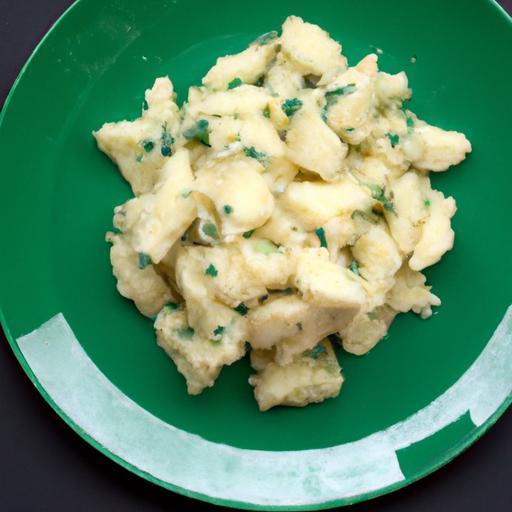
- Mold and serve: Wet your hands slightly and shape the eba into small balls or mounds on a serving plate. Eba is traditionally served warm alongside your favorite soups.
Tips for Success
- Use medium or fine grain garri: These grinds absorb water evenly and produce a smoother eba texture.
- Stir quickly and steadily: Prevent lumps by continuous stirring as you add garri to boiling water.
- Adjust consistency: For a softer eba, add a little more water. For a firmer texture, use slightly less.
- Serve promptly: Eba hardens as it cools; reheat with a splash of hot water and stir gently if needed.
Serving Suggestions
Eba is traditionally enjoyed alongside hearty Nigerian soups like Egusi Soup, Efo Riro, or Oha soup. Its mild taste acts as the perfect canvas for the robust flavors of these dishes. garnish your serving platter with fresh ugwu (pumpkin leaves) or scallions to add a pop of color and freshness. For a modern twist, try pairing eba with a zesty tomato stew or a spicy peanut sauce for an unexpected fusion of flavors.
| Nutrient | Per Serving (approx.) |
|---|---|
| Calories | 330 kcal |
| Protein | 1.8 g |
| Carbohydrates | 82 g |
| Fat | 0.2 g |
The Nutritional Profile and Benefits
Eba offers a predominantly carbohydrate-rich source of energy, derived from cassava’s natural starch. It is naturally gluten-free, making it an excellent choice for those with gluten sensitivities. Additionally, garri contains small amounts of essential minerals like calcium and iron. When combined with nutrient-dense Nigerian soups rich in leafy greens and proteins, eba becomes part of a balanced and wholesome meal supporting sustained energy and digestive health.
Elevating Your Eba Experience
While conventional eba remains a soul-satisfying classic, creative culinary enthusiasts have found delightful ways to add flair and versatility to this Nigerian staple.Consider incorporating finely chopped herbs such as parsley or basil into the garri before cooking for a subtle earthy aroma. Alternatively, knead in a dash of palm oil for a beautiful golden hue and luscious texture. Serve eba on vibrant handcrafted plates or banana leaves to honor its African roots while elevating presentation for guests.

Discover other local favorites and how they complement eba by exploring our Ultimate Nigerian Soups Guide.
Q&A
Q&A: Eba unwrapped – Nigeria’s Beloved Cassava Flour Staple
Q1: What exactly is Eba?
A1: Eba is a traditional Nigerian staple made from garri-a granular flour derived from fermented and dried cassava tubers. When hot water is added to garri and stirred, it thickens into a smooth, stretchy dough-like consistency known for its comforting texture and mild, slightly tangy flavor.
Q2: Why is Eba such a central part of Nigerian cuisine?
A2: Eba is prized for its versatility and ability to complement a wide variety of soups and stews. It’s affordable, filling, and easy to prepare, making it a household favorite across Nigeria’s diverse ethnic groups. Beyond nourishment, Eba carries cultural meaning, frequently enough serving as a symbol of communal dining and tradition.
Q3: How is Eba traditionally prepared?
A3: The traditional method involves pouring boiling water over garri in a bowl while stirring vigorously until a firm, elastic dough forms. Some prefer it softer, others a bit denser-the texture can be customized to personal taste. It’s usually served hot, sliced into portions, and enjoyed by hand.
Q4: What makes garri, the base of Eba, unique?
A4: Garri is produced through a meticulous process of peeling cassava tubers, washing, grating, fermenting, pressing out moisture, sieving, and finally roasting over a fire. This process imparts garri’s characteristic aroma and a slightly sour punch that distinguishes it from other cassava products.
Q5: can Eba be enjoyed with soups from all regions of Nigeria?
A5: Absolutely! Eba’s neutral flavor makes it a perfect companion to an remarkable array of Nigerian soups such as egusi (melon seed soup), ogbono (wild mango seed soup), okra soup, vegetable soup, and bitter leaf soup. Each pairing offers a unique taste experience capturing Nigeria’s culinary richness.
Q6: Is Eba gluten-free and suitable for special diets?
A6: Yes, since Eba is made from cassava-naturally free from gluten-it’s an excellent option for those with gluten intolerance or celiac disease. Its plant-based composition also fits well within vegetarian and vegan dietary patterns.
Q7: How has Eba evolved in modern Nigerian kitchens?
A7: Modern chefs and home cooks alike experiment with Eba by incorporating different variations of garri, including white and yellow versions. Innovations sometimes blend Eba with other flours or introduce spices into the garri pre-cooking, creating exciting new twists while honoring tradition.
Q8: What cultural rituals or occasions feature Eba prominently?
A8: Eba is commonly enjoyed during family gatherings, festivals, and communal celebrations. In many Nigerian homes, breaking and eating Eba together symbolizes unity and shared heritage. It also plays a role in rites of passage, wedding feasts, and holiday meals.Q9: Can Eba be stored once prepared?
A9: Eba is best eaten fresh and hot for optimal texture and taste. However, leftover Eba can be refrigerated and gently reheated by steaming or microwaving, though it may lose some of its signature elasticity.
Q10: Where can someone outside Nigeria experience authentic Eba?
A10: Authentic Eba can often be found in African restaurants worldwide, especially those specializing in West African cuisine. Additionally, many online retailers stock garri, allowing culinary adventurers to prepare and savor Eba in their own kitchens no matter where they live.
Final Thoughts
As the golden threads of cassava continue to weave through Nigerian kitchens, Eba remains much more than a simple staple-it is a symbol of heritage, resilience, and communal spirit. From the humble grating of the tuber to the swirling, comforting plate at the family table, Eba tells a story that’s both timeless and ever-evolving. By unwrapping its layers, we gain not only a deeper appreciation for this beloved flour but also a richer understanding of the culture it nourishes. In every bite of Eba, Nigeria’s heart beats strong, inviting us all to savor a taste of tradition that’s as vibrant as the nation itself.