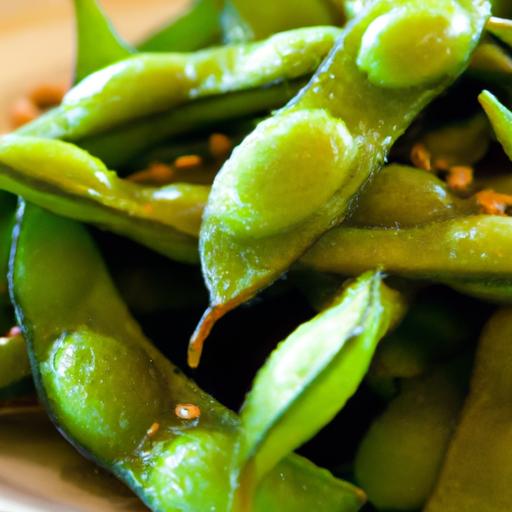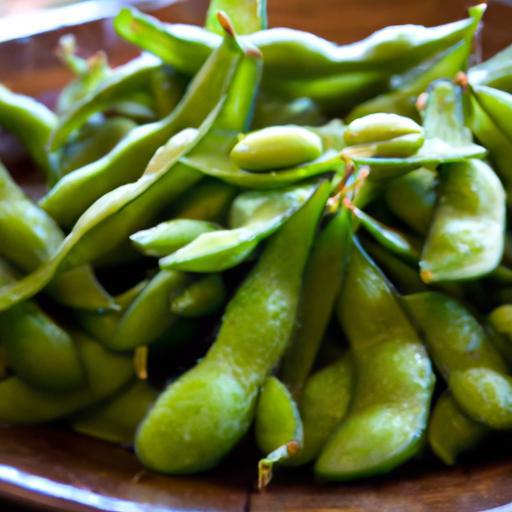
Hidden within the vibrant tapestry of Japanese cuisine lies a humble yet extraordinary treasure: edamame. these tender, steamed soybeans are more than just a snappy appetizer or a casual snack-they are a powerhouse of nutrition and tradition, embodying centuries of cultural heritage and culinary artistry. Frequently enough enjoyed lightly salted and nestled in their emerald pods, Japanese edamame offer a flavorful doorway to wellness, boasting protein-packed goodness, essential vitamins, and antioxidants that fuel both body and mind. In this article, we’ll embark on a flavorful journey to uncover why edamame has earned its famed title as a superfood delight, exploring its origins, health benefits, and how to savor it the authentic Japanese way.
Japanese Edamame, with its vibrant green pods and subtle nutty flavor, stands as a timeless pillar in customary Japanese cuisine. Originating centuries ago as one of Japan’s favorite “oyatsu” (snacks) and izakaya staples, this humble steamed soybean encapsulates cultural rituals of simplicity and mindful eating. Whether served alongside sushi or savored as a refreshing appetizer, Japanese Edamame embodies a balance of nature’s bounty and culinary heritage.
Prep and cook Time
Preparation: 5 minutes
cooking: 10 minutes
Total: 15 minutes
Yield
Serves 4 as a light appetizer or snack
Difficulty Level
Easy
Ingredients
- 2 cups fresh Japanese edamame pods, rinsed
- 4 cups water
- 1 tbsp kosher salt (for boiling)
- 1 tsp sea salt (for seasoning)
- 1 tbsp toasted sesame seeds (optional garnish)
- 1 tsp toasted sesame oil (optional for a subtle aroma)
- 1 small lemon, zested (optional brightness)
Instructions
- Prepare the water: Bring 4 cups of water and 1 tbsp kosher salt to a rolling boil in a large pot to mimic the ocean’s salty embrace and enhance the natural sweetness of the edamame.
- Steam or boil the edamame: Add the edamame pods to the boiling salted water. Cook uncovered for 5-7 minutes until the pods are tender but still slightly firm for that satisfying snap.
- Drain thoroughly: Drain the edamame in a colander, shaking off excess water. optionally, rinse quickly under cold water to stop cooking and keep the bright green hue intact.
- Season the pods: Transfer the warm edamame to a bowl. Sprinkle with 1 tsp sea salt. Add toasted sesame oil and gently toss to coat each pod evenly,layering in subtle aromatic complexity.
- Finish with garnishes: Sprinkle toasted sesame seeds and freshly grated lemon zest over the top for a pop of texture and fresh fragrance, creating a sensory experience that elevates this simple superfood.
- Serve instantly: Present the pods in a rustic wooden bowl or sleek ceramic dish to accentuate their vibrant color. Encourage guests to pop the soybeans out of the pods with their fingers,engaging all senses in the communal enjoyment.
Tips for Success
- Use fresh or frozen Japanese edamame pods without added seasonings for the purest taste.
- Don’t overcook – aim for a firm, slightly crisp bite to preserve texture and nutrients.
- Experiment with seasoning blends: a pinch of chili flakes or a drizzle of soy sauce can add regional twists.
- Make ahead by steaming the pods and refrigerating them chilled; reheat briefly in a steamer or microwave for fast savory snacks.
- To preserve vibrant color, plunge cooked pods into an ice bath immediately after boiling if you prefer cold edamame.
Serving Suggestions
serve your perfectly steamed Japanese edamame as a refreshing start to any Japanese-inspired meal or as a nutritious snack with drinks. For a casual gathering, place alongside pickled ginger and miso soup to complete an authentic bite. Garnish with freshly cracked black pepper or a sprinkle of flaky sea salt. For added indulgence, serve with a small dish of citrusy ponzu sauce for dipping. Visual contrast is key-consider pairing the bright green beans with deep blue ceramic bowls or bamboo serving trays to highlight their natural beauty.
| Nutrient | Amount per 1 Cup (155g) Steamed Edamame |
|---|---|
| Calories | 190 kcal |
| Protein | 17 g |
| Carbohydrates | 15 g |
| Fat | 8 g |
| Fiber | 8 g |
For more inspiration on soy-based delights and traditional Japanese treats, explore our Tofu and Soy Recipe Collection. To deepen your understanding of soy’s health benefits, visit the harvard T.H. Chan School of Public Health.

Q&A
Q&A: Japanese Edamame – The Steamed Soybean Superfood Delight
Q1: What exactly is edamame, and why has it become so popular?
A1: Edamame are young, green soybeans still encased in their pods, steamed or boiled and lightly salted. Originating from Japan, these vibrant green legumes have captured taste buds worldwide thanks to their fresh, nutty flavor and satisfying, slightly crunchy texture. Beyond their deliciousness, they’re celebrated as an easy-to-enjoy superfood packed with plant-based protein, fiber, and essential nutrients – making healthy snacking effortless and fun.
Q2: How is edamame traditionally prepared in Japan?
A2: Traditionally, Japanese edamame is a simple pleasure: the pods are steamed or boiled just until tender but still vibrant green, then sprinkled with a touch of sea salt. This minimalist preparation highlights the natural sweetness and texture of the soybeans inside. Some regional twists include seasoning with a hint of togarashi (a mild chili pepper blend) or a splash of soy sauce for an umami boost. The pods are never eaten; rather, the beans are popped out lovingly one by one.
Q3: What nutritional benefits does edamame offer?
A3: Edamame is a nutritional powerhouse! Brimming with plant-based protein, it’s a favorite among vegans and vegetarians seeking muscle-building fuel. It’s also rich in folate, iron, calcium, and antioxidants, which support heart health and bone strength. The fiber content aids digestion and promotes a feeling of fullness, perfect for healthy weight management. Plus, as a soybean, edamame is a natural source of isoflavones-compounds associated with various health benefits.Q4: Can edamame be incorporated into dishes beyond snacking?
A4: Absolutely! While a popular appetizer or bar snack, edamame’s versatility shines in many culinary creations. Toss shelled edamame into vibrant salads for a protein boost or blend them into creamy spreads and hummus alternatives. they brighten stir-fries, soups, and grain bowls with their pop of green and satisfying bite. Roasted edamame also makes an addictive crunchy snack or salad topper, offering a delightful twist to familiar dishes.
Q5: Is it better to buy fresh, frozen, or dried edamame?
A5: Fresh edamame delivers vibrant flavor but can be seasonal and less accessible globally. Frozen edamame is the most common option outside Japan, frequently enough flash-frozen shortly after harvest to lock in freshness, flavor, and nutrients-making it a convenient pantry staple. Dried edamame, while less traditional, offers a crunchy snack option with a concentrated flavor. For most, frozen edamame provides the perfect balance of accessibility and quality.
Q6: How can someone quickly prepare edamame at home?
A6: The fastest route to edamame bliss is to boil or steam frozen pods for about 5 minutes until tender but still bright green. Drain and toss with flaky sea salt and perhaps a sprinkle of chili flakes or toasted sesame seeds. for added flair,a splash of freshly squeezed lemon or lime juice can brighten the flavors. Serve warm or chilled-either way, it’s a simple, irresistible superfood snack in minutes.
Q7: Are there any traditional or cultural customs associated with eating edamame in Japan?
A7: In Japan, edamame is commonly shared among friends and family during casual gatherings, festivals, or while enjoying drinks, acting as a welcoming and communal snack. The ritual of popping each bean from the pods encourages savoring every bite and sharing the enjoyment with others. It’s often a nostalgic taste recalling warm memories of summer festivals and home-cooked meals, embodying the spirit of simple, shared pleasures.
Q8: What makes Japanese edamame stand out from other soybeans?
A8: Japanese edamame is prized for its delicate sweetness, tender texture, and vibrant color, attributes cultivated through careful harvesting when the beans are young and fresh. The steaming process preserves these qualities without overpowering the natural flavor. Compared to mature soybeans used for tofu or soy milk, edamame offers a fresher, lighter taste-making it an approachable and delightful introduction to the soybean family.
Q9: Can edamame be enjoyed year-round?
A9: Thanks to modern freezing techniques, yes! While fresh edamame pods are harvested seasonally, typically in late summer, frozen edamame is available almost everywhere year-round. This means you can savor the lush green pods and their superfood benefits anytime,whether as a quick snack,salad addition,or cooking ingredient,bringing a taste of japanese tradition to your table whenever you desire.
Q10: What’s a fun fact about edamame that might surprise people?
A10: Here’s a fun tidbit: the word “edamame” literally means “stem bean” in Japanese,referring to how the beans are often boiled with the stems still attached to enhance flavor. also,in Japan,edamame was historically enjoyed as a seasonal luxury snack during the Edo period and was prized for its nutritional qualities long before the superfood craze swept the globe!
Closing Remarks
In the vibrant world of superfoods,Japanese edamame stands out not just as a simple snack but as a nutrient-packed treasure steeped in tradition. From its humble pods to its rich history on Japanese tables, edamame offers a tasty way to nourish both body and soul. Whether enjoyed steamed, sprinkled with sea salt, or tossed into a colorful salad, these green gems invite us to embrace a wholesome bite of wellness. So next time you seek a tasty, healthful boost, remember the humble edamame – nature’s own superfood delight, waiting patiently in its pod to energize your day.