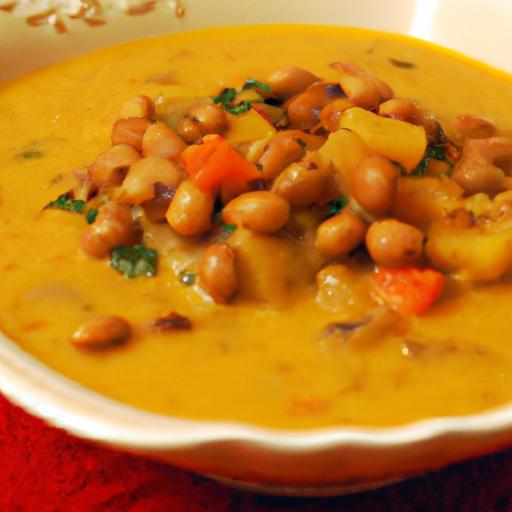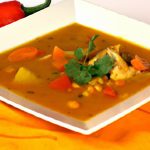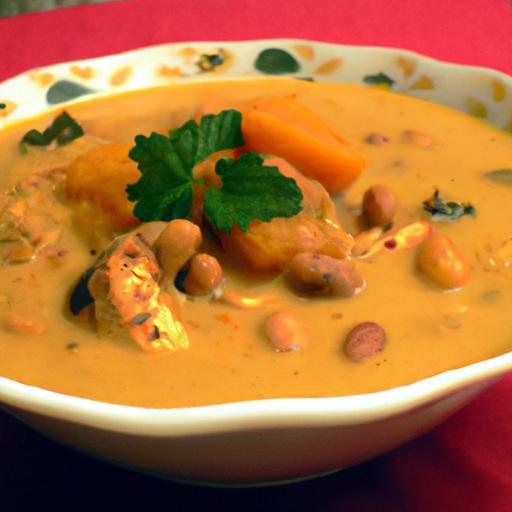
Rich, velvety, adn bursting with comforting flavors, Senegalese Maafe is more than just a peanut stew-it’s a soulful journey into West African culinary tradition. This hearty dish, simmered with tender meats or hearty vegetables in a luscious peanut sauce, captures the essence of Senegal’s vibrant culture and the warmth of communal dining.Whether enjoyed on a bustling city street or in a cozy kitchen, Maafe’s creamy texture and deep, nutty richness invite you to savor a timeless recipe that has nourished generations. Join us as we explore the origins, ingredients, and irresistible charm of this beloved Senegalese delight.
Senegalese Maafe is more than a stew-it’s a soulful experience steeped in West African tradition and culinary heritage. Each creamy, rich peanut stew delight carries the warmth of communal gatherings and the loving hands of home cooks who have passed down this luscious recipe for generations. Originating from Senegal and neighboring regions, Maafe showcases the beautiful marriage of simple ingredients into a fragrant, velvety sauce, offering layers of flavor that unfold with every spoonful. This dish brings together earthy peanuts, aromatic spices, and tender meats or vegetables, making it an iconic comfort food that tells a story with each bite.
Prep and Cook Time
- Readiness Time: 20 minutes
- Cooking Time: 1 hour 15 minutes
- Total Time: 1 hour 35 minutes
Yield
serves 6 hearty portions
Difficulty Level
Medium – accessible for cooks with basic skills eager to explore authentic African cuisine
Essential Ingredients for Authentic Senegalese Maafe
- 2 tbsp peanut oil (or vegetable oil)
- 1 large onion, finely chopped
- 3 cloves garlic, minced
- 1-inch piece of fresh ginger, grated
- 1 red bell pepper, diced
- 2 medium tomatoes, chopped (or 1 cup canned crushed tomatoes)
- 1 lb chicken thighs, boneless and skinless, cut into chunks (or substitute with beef or plant-based protein)
- 1 cup natural peanut butter (smooth, unsweetened)
- 4 cups chicken or vegetable broth
- 2 medium sweet potatoes, peeled and cubed
- 2 carrots, sliced
- 1 tbsp tomato paste
- 1 tsp smoked paprika
- 1 tsp ground cumin
- 1/2 tsp cayenne pepper (adjust to heat preference)
- Salt and freshly ground black pepper, to taste
- Fresh parsley or cilantro, chopped, for garnish
Step-by-Step Instructions to Master senegalese Maafe
- Heat the peanut oil in a large heavy-bottomed pot over medium heat. Add the chopped onion and sauté until soft and translucent,about 5 minutes.
- Add the garlic, ginger, and diced red bell pepper. stir and sauté for another 3-4 minutes until fragrant and the pepper softens.
- incorporate the chicken pieces. Brown them lightly on all sides, about 6-8 minutes, ensuring even cooking but not fully cooked through. This step builds rich flavor.
- Stir in the chopped tomatoes and tomato paste. Let the mixture cook down for 5 minutes to concentrate flavors.
- Add the smoked paprika,cumin,cayenne pepper,salt,and pepper. Mix well, allowing the spices to toast lightly in the pot.
- Whisk in the peanut butter until smooth-this will thicken the sauce and add creamy depth.
- Pour in the broth gradually, stirring to combine the peanut sauce evenly. Bring the stew to a gentle simmer.
- Add the cubed sweet potatoes and sliced carrots. Cover the pot and let simmer gently for 40 minutes, or until the vegetables and meat are tender and the sauce is thickened.
- Taste and adjust seasoning, adding more salt, pepper, or cayenne if you want more heat. Stir well.
- Serve hot, generously garnished with freshly chopped parsley or cilantro to brighten the flavors.
Chef’s Notes and Tips for a Perfect Maafe
- Peanut Butter choice: Use natural, unsweetened peanut butter for the authentic creamy texture and nutty flavor. avoid overly sweet or chunky varieties.
- Vegetarian Variation: Swap chicken with hearty vegetables such as eggplant, okra, or chickpeas for a sumptuous vegan version.
- Balancing Thickness: If the stew becomes too thick, add a splash of broth or water. For a thicker gravy,simmer uncovered until desired consistency.
- Make-Ahead Advantage: Like many stews, Senegalese Maafe tastes even better the next day after flavors meld beautifully in the fridge.
- Spice Adjustments: Modify cayenne pepper for mild or spicy preferences.Smoked paprika adds subtle warmth and depth.
- Fresh Herbs: Garnish right before serving to maintain their vibrant aroma and appearance.
Pairing and Serving Suggestions to Elevate Your Maafe Experience
For a truly memorable meal, serve Senegalese Maafe over a bed of fluffy steamed white rice or fragrant jasmine rice, which soaks up the rich peanut sauce exquisitely. Alternatively, pair it with millet or couscous for an earthy texture contrast. A simple side of steamed leafy greens like kale or collard greens lightly dressed in lemon juice creates a fresh counterpoint to the stew’s creaminess. For garnish, sprinkle crunchy roasted peanuts or toasted sesame seeds atop to add a delightful crunch and visual appeal.
Complement your Maafe with a crisp, refreshing salad made from cucumber, tomato, and red onion tossed in a tangy vinaigrette to balance the richness. A side of fried or baked plantains brings a subtle sweetness that pairs beautifully with the savory stew.

| Nutrient | Amount per Serving |
|---|---|
| Calories | 450 kcal |
| Protein | 35 g |
| Carbohydrates | 30 g |
| Fat | 22 g |
Explore more authentic West African dishes like West African Jollof Rice to continue your culinary adventure with vibrant flavors and rich history.
Q&A
Q&A: Discovering Senegalese Maafe - A Creamy, Rich Peanut Stew Delight
Q1: What exactly is Senegalese Maafe?
A1: Senegalese Maafe is a hearty and comforting peanut stew that hails from West Africa, especially popular in Senegal. It features a luscious blend of ground peanuts,tomatoes,and a medley of vegetables and spices,creating a rich,creamy sauce that warms both body and soul.
Q2: How did Maafe become a staple in Senegalese cuisine?
A2: Maafe’s roots run deep in West African culinary traditions, where peanuts are a prized crop. In Senegal, generations perfected this stew, balancing local ingredients with aromatic spices. It represents community and party, often shared during family gatherings and festive occasions.Q3: What are the key ingredients that make Senegalese Maafe so distinctive?
A3: The star is definitely the peanut butter or ground peanuts, lending the stew its creamy texture and nutty flavor. Alongside, you’ll find tomatoes, onions, garlic, sweet potatoes, carrots, and sometimes leafy greens. A warm bouquet of spices like ginger, chili, and sometimes smoked paprika brings depth and subtle heat.
Q4: Is Maafe vegetarian-pleasant or does it traditionally include meat?
A4: While Maafe is delightfully vegetarian when made with just vegetables, traditionally it frequently enough includes tender cuts of chicken or beef, slow-cooked to soak up the peanut-infused sauce. However, the stew’s rich peanut base is so flavorful it stands beautifully on its own or with plant-based proteins like tofu or chickpeas.
Q5: what is the typical way to serve Senegalese Maafe?
A5: Maafe is traditionally served over fluffy white rice or millet,which soaks up the creamy sauce perfectly. Some also enjoy it with couscous or even crusty bread, offering a satisfying balance of textures with every bite.
Q6: Can Maafe be made ahead and stored?
A6: Absolutely! Maafe actually tastes even better the next day as the flavors meld and deepen. Store it in an airtight container in the fridge for up to 3 days, or freeze portions for up to a month. when reheated gently, it retains its rich, creamy magic.
Q7: Are there variations of Maafe across West Africa?
A7: Yes! While the core idea of a peanut-based stew remains, regional versions vary by choice of vegetables, level of spice, and protein options. Some versions include okra or eggplant, while others might add smoky dried fish or different greens, each variation telling its own story.
Q8: What makes Senegalese Maafe a great dish for adventurous cooks?
A8: Maafe invites you to explore a captivating blend of flavors and textures – from the earthy richness of peanuts to the radiant acidity of tomatoes and the gentle bite of spices. It’s versatile, nourishing, and celebrates a culinary heritage that’s both ancient and vibrant, offering an exciting journey in every pot.
Q9: how can one enhance the depth of flavor when making Maafe at home?
A9: to elevate your Maafe, start by gently caramelizing your onions to bring out sweetness, toast your peanut butter lightly for added nuttiness, and simmer the stew slowly to develop complex layers. Fresh herbs like cilantro or parsley sprinkled on top before serving add a fresh note that brightens the dish.
Q10: where can one experience authentic Senegalese Maafe if visiting Senegal?
A10: In Senegal, Maafe is readily found in local markets, family-run eateries, and vibrant street food stalls, especially in Dakar. Sharing a bowl there often means tasting not just the dish, but the heart of Senegalese hospitality and tradition.
In Conclusion
As the warm, velvety richness of Senegalese Maafe lingers on the palate, it’s clear that this humble peanut stew is much more than just a dish-it’s a testament to the vibrant culinary heritage of West Africa. each spoonful tells a story of tradition, community, and the perfect harmony of ingredients that come together to create comfort in a bowl. Whether enjoyed with fluffy rice,crusty bread,or sweet plantains,Maafe invites you to savor not just its creamy texture and bold flavors,but also the deep cultural roots that make it a beloved staple in Senegalese kitchens. So next time you’re craving something both hearty and heartwarming, let Maafe be your guide on a flavorful journey through the soulful tastes of Senegal.