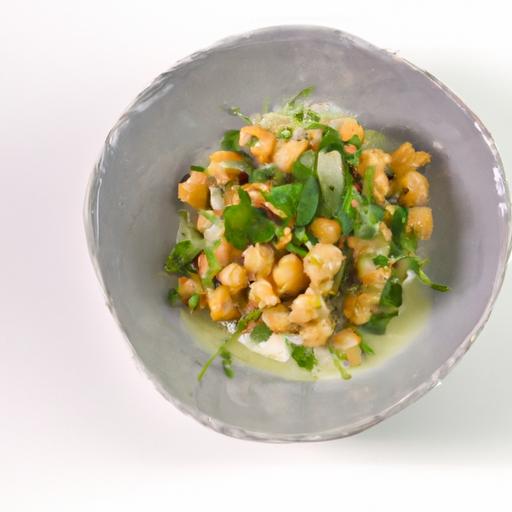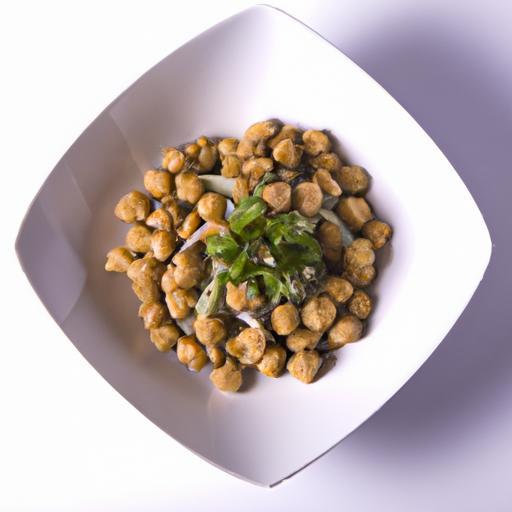
In the vast tapestry of nature’s pantry, humble chickpeas stand out as vibrant threads woven with rich history, robust nutrition, and culinary versatility. Often overlooked in the shadow of trendier superfoods, these small, golden legumes are powerhouses bursting with protein, fiber, and a host of essential nutrients. From ancient fields to modern kitchens, chickpeas have nourished civilizations and inspired countless recipes across cultures.Join us as we uncover the fascinating story behind these tiny treasures, exploring their remarkable health benefits, cultural significance, and the innovative ways they continue to enrich our plates and lives.
The Nutritional Symphony of Chickpeas Unlocking Their Health Benefits
Chickpeas Uncovered: Nourishing Powerhouses of Nature’s Pantry reveal a treasure trove of nutrition and culinary delights that are easy to embrace in your daily meals. known as garbanzo beans in many parts of the world, these humble legumes have been cherished since ancient times for their rich protein content, fiber, and essential minerals. Their nutty flavor and satisfying texture make them a versatile canvas for global cuisines, while their health benefits support heart health, digestion, and sustained energy.
Prep and Cook Time
- Preparation: 10 minutes (plus soaking time if using dried chickpeas)
- Cooking: 40 minutes
- Total Time: 50 minutes
Yield
Serves 4 as a main dish or 6 as a side/snack
Difficulty Level
Easy – Perfect for both beginners and seasoned home cooks
Ingredients
- 2 cups cooked chickpeas (or one 15-ounce can, drained and rinsed)
- 1 medium red onion, finely diced
- 2 cloves garlic, minced
- 1 tbsp extra virgin olive oil
- 1 tsp ground cumin
- ½ tsp smoked paprika
- Juice of 1 lemon
- 2 tbsp tahini paste
- Salt and freshly ground black pepper, to taste
- Fresh parsley, chopped (for garnish)
- Optional: ¼ tsp cayenne pepper for heat
Instructions
- Prepare your chickpeas. If using dried, soak overnight and cook until tender (about 1 hour). For convenience, canned chickpeas work beautifully after a thorough rinse.
- Heat olive oil in a skillet over medium heat. Add the diced onion and sauté until translucent, about 5 minutes. Stir occasionally to avoid burning.
- Add the minced garlic, cumin, smoked paprika, and optional cayenne pepper. Sauté for an additional 1-2 minutes, allowing the spices to bloom and fill your kitchen with warm aroma.
- stir in the chickpeas. Lightly mash half of them with the back of a spoon to create a creamy texture while keeping some whole for delightful bite.
- Mix in the tahini and lemon juice. Cook for another 3-4 minutes, stirring gently to combine flavors. Adjust seasoning with salt and pepper.
- Remove from heat and transfer to a serving dish. Garnish generously with chopped fresh parsley and a drizzle of olive oil.
Chef’s Notes
- For an extra creamy texture, blend half the chickpeas with tahini, lemon juice, and a splash of water before folding back into the sautéed mixture.
- You can swap tahini for almond or cashew butter if desired, maintaining a luscious nutty profile.
- Try adding roasted red peppers or sun-dried tomatoes to explore deeper flavors and vibrant colors.
- This dish stores well in the fridge for up to 3 days, and flavors intensify overnight-making it a perfect make-ahead option.
Serving Suggestions
This chickpea creation shines served atop fluffy couscous or brown rice,paired with crisp cucumber salad or roasted seasonal vegetables. For an inviting lunch, spread over warm pita bread and top with pickled onions and a sprinkle of toasted sesame seeds. A dollop of creamy Greek yogurt or a squeeze of extra fresh lemon boosts brightness and refreshing contrast.

| Nutrient | Amount per serving |
|---|---|
| Calories | 280 |
| Protein | 15g |
| Carbohydrates | 35g |
| Fat | 7g |
| Fiber | 8g |
For more inspiring plant-based dishes incorporating chickpeas, explore our Plant-Based chickpea Recipes Collection. To deepen your knowledge about chickpeas’ impact on lasting farming and nutrition, visit FAO’s Legumes Initiative.
Q&A
Q&A: Chickpeas Uncovered – Nourishing Powerhouses of Nature’s Pantry
Q1: What exactly are chickpeas, and why have they been cherished throughout history?
A: chickpeas, also known as garbanzo beans, are small, round legumes that pack an notable nutritional punch. cultivated for over 7,000 years, they’ve nourished civilizations from the ancient Middle East to the Mediterranean and beyond. Their resilience in tough climates and rich protein content made them a staple for sustaining communities, symbolizing both nourishment and culinary creativity.
Q2: What makes chickpeas a nutritional powerhouse today?
A: Chickpeas are nature’s gift to health enthusiasts! They’re loaded with plant-based protein, complex carbohydrates, and dietary fiber, which together promote sustained energy and digestive wellness. Additionally, they offer a bounty of essential minerals such as iron, magnesium, and potassium, plus B vitamins that support metabolism and brain function. Simply put, chickpeas fuel the body and mind, making them a smart choice for any diet.
Q3: How do chickpeas contribute to sustainable and eco-friendly eating?
A: beyond their health virtues, chickpeas are champions of sustainable agriculture. They have a unique ability to fix nitrogen in the soil,enriching it naturally and reducing the need for synthetic fertilizers. Their drought resistance means they thrive with less water, making them an environmentally sound crop that supports biodiversity and helps combat climate change.
Q4: In what exciting ways can one incorporate chickpeas into everyday meals?
A: Chickpeas are culinary chameleons ready to transform your table! Blend them into creamy hummus for a snack bursting with flavor, roast them with spices for a crunchy treat, or toss them into salads, stews, and grain bowls for added texture and nutrition. Chickpeas also shine in creative dishes like chickpea pancakes, veggie burgers, and even desserts-where their subtle nuttiness adds depth without overpowering other ingredients.Q5: Are chickpeas a good option for people with dietary restrictions?
A: Absolutely! Chickpeas are naturally gluten-free, making them suitable for those with celiac disease or gluten sensitivities. Their rich fiber and protein content also support blood sugar balance and satiety, beneficial for people managing diabetes or weight. Plus, as a plant-based protein, they’re perfect for vegetarians, vegans, and anyone seeking to diversify their nutrient sources without animal products.
Q6: What’s the best way to prepare dried chickpeas to maximize their flavor and nutrition?
A: Start by soaking dried chickpeas in plenty of water overnight-this softens them and reduces cooking time. Than simmer gently until tender, skimming any foam that forms. Adding aromatic herbs like bay leaves or garlic during cooking can infuse subtle flavors. Cooking your own chickpeas also lets you control texture-from soft and creamy to firm and bitey-unlocking endless culinary possibilities.
Q7: Can chickpeas support a healthy gut, and if so, how?
A: Chickpeas are fiber-rich marvels that nurture gut health! The soluble fiber they contain acts as a prebiotic, feeding beneficial gut bacteria which in turn produce compounds that reduce inflammation and strengthen the gut lining. Regularly enjoying chickpeas can improve digestion, promote regularity, and enhance overall digestive harmony.
Q8: Are there any myths about chickpeas worth busting?
A: One common myth is that chickpeas cause excessive bloating or gas. While legumes do contain certain carbohydrates that can ferment in the gut, proper preparation-such as soaking and thorough cooking-typically minimizes this effect. Gradually introducing chickpeas into your diet can also help your digestive system adapt, allowing you to enjoy their benefits without discomfort.
Embrace the humble chickpea and unlock a world where ancient wisdom meets modern nutrition-a tiny bean with mighty potential to nourish, sustain, and inspire.
In Retrospect
As we peel back the layers of the humble chickpea, it becomes clear that this modest legume is anything but ordinary. From its rich history bridging ancient civilizations to its modern-day role as a versatile nutritional champion,chickpeas have rightfully earned their place at the heart of nature’s pantry. Whether blended into creamy hummus, tossed into vibrant salads, or transforming dishes with their hearty texture, these nourishing powerhouses offer more than sustenance-they bring a legacy of resilience, health, and culinary creativity to our tables. Embracing chickpeas means inviting both wellness and flavor into our lives, reminding us that sometimes, the simplest ingredients hold the greatest treasures.