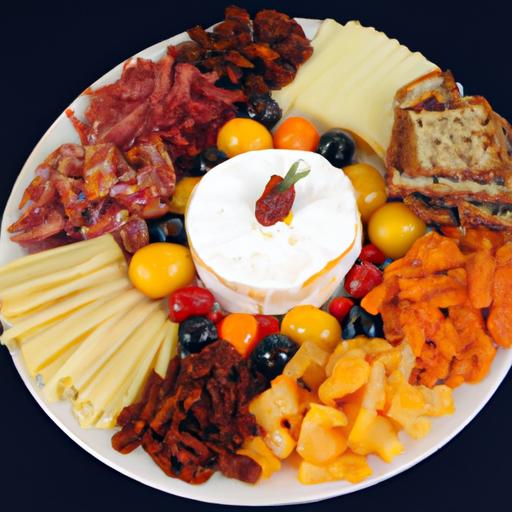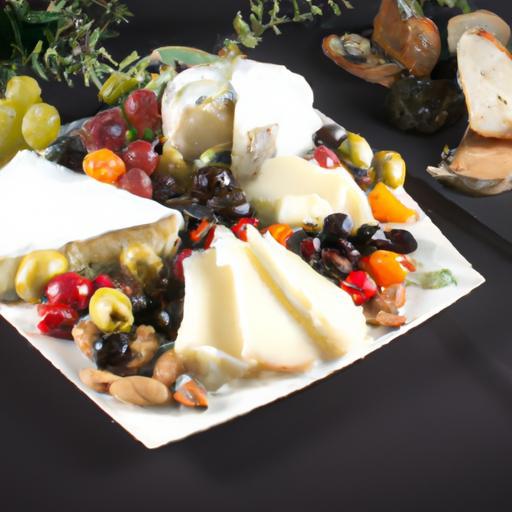
there’s a story told in every wedge, crumb, and slice of a European cheese platter-a tale of rolling green pastures, centuries-old traditions, and the masterful hands that craft these dairy delights. Embarking on a taste tour across Europe’s diverse regions,one finds that cheese is more than just an ingredient; it’s an art form,a cultural emblem,and a sensory adventure all rolled into one. From the creamy Camembert of France to the nutty manchego of Spain, each cheese platter is a carefully composed symphony of flavors, textures, and colors, inviting us to savor history and heritage bite by bite. Join us as we explore the rich art of European cheese platters, unraveling the secrets behind their timeless appeal and discovering how to curate your own edible masterpiece.
A Taste Tour: Exploring the Art of European Cheese platters invites you to discover the delicate harmony of regional cheeses, thoughtfully paired with complementary breads and charcuterie alternatives, crafting an unforgettable tasting journey. Each cheese tells a story-whether it’s the mellow nutty profile of Italy’s Taleggio or the tangy,crumbly texture of English Stilton-and mastering these elements transforms a simple platter into a gourmet experience.
Prep and Cook Time
- Preparation: 20 minutes
- Assembly: 10 minutes
Yield
Serves 6 as an appetizer or casual gathering board
Difficulty Level
Easy - No cooking required, primarily assembly and mindful pairing
Ingredients
- 200g Manchego (Spain) - firm, buttery sheep’s milk cheese, thinly sliced
- 150g Comté (France) – semi-hard, aged for nutty complexity, cut into cubes
- 100g Roquefort (France) – rich, pungent blue cheese, crumble into small chunks
- 120g Parmigiano-Reggiano (Italy) – granular texture, broken into shards
- 1 small baguette, sliced diagonally and lightly toasted
- 1 rustic rye bread, cut into bite-size pieces
- 100g marinated olives (e.g., Kalamata or Castelvetrano)
- 1 cup fresh figs or sliced pears for natural sweetness
- 50g honey to drizzle over cheese
- Assorted nuts (e.g., walnuts and almonds), lightly toasted
- Fresh herbs like rosemary or thyme sprigs for garnish
instructions
- Prepare your cheeses: Arrange the Manchego, comté, Roquefort, and Parmigiano-Reggiano on a large wooden board or stone platter. Present each cheese with enough space to showcase its unique texture and color.
- Slice and toast breads: Lightly toast the baguette slices until golden brown and crisp, set aside to cool slightly. Cut rye pieces evenly for easy grabbing.
- Add complementary elements: Scatter the marinated olives across the platter for bursts of briny flavor. Place fresh figs or sliced pears near the cheeses to add a juicy, sweet counterpoint.
- Incorporate crunch: Sprinkle the toasted walnuts and almonds around the cheeses, enhancing texture and earthiness.
- Drizzle honey: Lightly drizzle honey over the blue cheese and Parmigiano shards to balance pungency with sweetness.
- Garnish thoughtfully: Add sprigs of fresh rosemary or thyme strategically around the platter for aromatic appeal and a pop of color.
- Final presentation: Encourage guests to experiment with pairing slices of different cheese on bread, topped with fruit, olives, and nuts, creating custom bites.
Tips for Success
- Cheese variation: Swap in Swiss Gruyère for Comté or substitute goat cheese for a fresh, tangy option.
- Make-ahead: Slice and section cheeses a few hours before serving, keeping them refrigerated and covered with parchment to preserve texture.
- Board balance: Aim for a mix of textures-soft, semi-hard, and hard-and flavors, from mild to bold, to keep the palate intrigued.
- Bread alternatives: Try gluten-free crackers or seed crisps to accommodate dietary preferences without sacrificing crunch.
- Serving temperature: Remove cheeses from fridge 30 minutes before serving for optimal aroma and flavor development.
Serving Suggestions
Present your cheese platter with elegant touches: serve it alongside artisanal honey in a small dish, include a spread of grainy mustard or fig jam as savory-sweet companions, and offer paired non-alcoholic sparkling beverages like apple cider or herbal iced teas. Arrange the platter on a large slate or wooden board, layering elements at different angles to create inviting height and visual texture. Use edible flowers or microgreens for a fresh,vibrant flourish that feels both rustic and refined.
| Cheese | Calories (per 30g) | Protein | Carbs | Fat |
|---|---|---|---|---|
| Manchego | 110 | 7g | 0g | 9g |
| Comté | 120 | 8g | 0g | 10g |
| Roquefort | 100 | 6g | 1g | 8g |
| Parmigiano-Reggiano | 130 | 9g | 1g | 9g |
Discover more about cheese varieties and pairings.
Explore complementary ideas in our guide to artisan non-wine pairings for cheese to create a complete tasting experience without the need for alcoholic beverages.

Q&A
Q&A: A Taste Tour – Exploring the Art of European Cheese Platters
Q1: What makes a european cheese platter truly special compared to other cheese presentations?
A1: European cheese platters are celebrations of tradition, terroir, and texture. They embody centuries of artisanal craft, reflecting the diverse climates and cultures across the continent. from the creamy Brie of France to the sharp Manchego of Spain, each cheese tells a story. What sets these platters apart is the thoughtful balance of flavors and the artistry in pairing cheeses with complementary accompaniments like nuts, fruits, and rustic breads-creating a multisensory experience rather than just a snack.
Q2: How do you select the cheeses for a balanced european cheese platter?
A2: Balance is key! Aim for a variety of textures (soft, semi-hard, hard) and milk types (cow, sheep, goat) to engage different taste buds. For example, combine a buttery French camembert with a crumbly Spanish Idiazábal and a nutty Italian Asiago. Including a fresh, tangy goat cheese adds brightness, while a pungent blue cheese offers complexity.This diversity ensures each bite offers a new flavor adventure.
Q3: Are there any regional “rules” or customs to keep in mind when assembling a cheese platter?
A3: Absolutely! In some regions, like France and Italy, the order of tasting cheeses matters-typically progressing from mild to strong to fully appreciate each flavor without overpowering the palate. Also, cheeses are often served at room temperature for optimal flavor release. manny Europeans favor presenting cheeses with artisan breads or crispbreads instead of crackers, allowing the cheese to shine without distraction.
Q4: What pairings-besides cheese-bring a European cheese platter to life?
A4: Thoughtful accompaniments elevate the platter.Fresh or dried fruits such as figs, grapes, apples, and quince paste add sweetness and texture contrast. Nuts like almonds, walnuts, or Marcona almonds provide crunch and earthiness. Honey or fruit preserves can add a luscious layer of flavor, especially when paired with sharp or salty cheeses. Olive oil drizzles or herb garnishes bring freshness and create a harmonious plate.
Q5: How can one creatively present a European cheese platter to impress guests?
A5: Presentation is an art form! Use wooden boards or slate slabs to evoke rustic charm. Arrange cheeses in groups by texture or flavor intensity, and label each for easy identification.Scatter colorful fruits, nuts, and edible flowers for visual appeal. Create height variations by stacking small bowls with accompaniments or rolled slices of cheese. Incorporate natural elements, like sprigs of rosemary or thyme, to evoke the cheese’s origin and enhance sensory delight.
Q6: Can you recommend some lesser-known European cheeses worth trying on a platter?
A6: Certainly! Discover the smoky depths of Portugal’s Azeitão cheese,a creamy sheep’s milk gem with a fragrant rind. From Croatia, try Paški sir-a hard, salty sheep cheese with rich flavor. Greece offers Kasseri, a semi-hard, buttery cheese with a mild, tangy bite. from the UK, explore Stinking Bishop, renowned for its pungent aroma but surprisingly mellow taste. These hidden treasures bring exciting variety and stories to any cheese platter.Q7: What’s the best way to store european cheeses if you’re preparing a platter in advance?
A7: Cheese appreciates breathing room! Wrap each cheese in parchment or cheese paper, then loosely in foil or a breathable container to maintain humidity while allowing gases to escape. Store cheeses separately to prevent flavor mingling. Bring them to room temperature about an hour before serving to unlock their full aromas and textures. Proper storage ensures your platter remains fresh and flavorful.
Q8: How does understanding the origin of each cheese enhance the tasting experience?
A8: Knowing a cheese’s origin connects you to its landscape, climate, and cultural heritage, enriching every bite. Learning about mountain pastures, traditional farming methods, or the history behind a cheese’s creation invites mindfulness and recognition. This narrative turns tasting into a journey, making the experience more memorable and meaningful.
Embarking on a European cheese platter adventure is about savoring history, place, and passion-all in one delicious bite. So gather your favorite wheels and wedges, create your own curated tour, and let the cheese tell you its story!
Final Thoughts
As our journey across the diverse landscapes of European cheese comes to a close, one thing is clear: a cheese platter is far more than a simple assortment of flavors. It is a carefully crafted story-a vibrant canvas where history, culture, and craftsmanship converge in every bite. Whether it’s the crumbly richness of a Welsh Caerphilly, the creamy elegance of a French Brie, or the robust character of an Italian Pecorino, each cheese invites us to savor not onyl its taste but the heritage it carries. So next time you assemble your own platter, remember that you’re partaking in an age-old art form-one that transforms a humble meal into an exquisite celebration of Europe’s culinary soul. Bon appétit, and may your cheese adventures be ever flavorful!