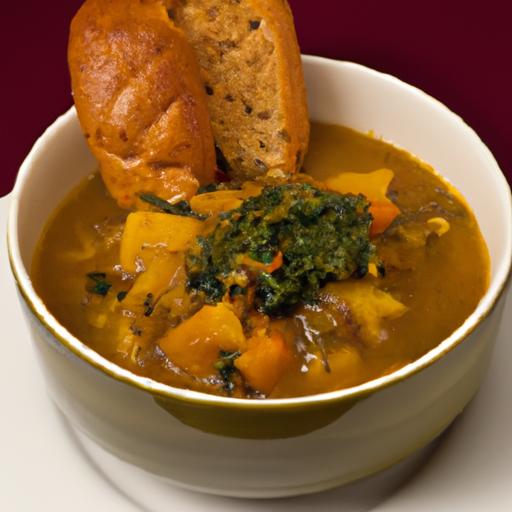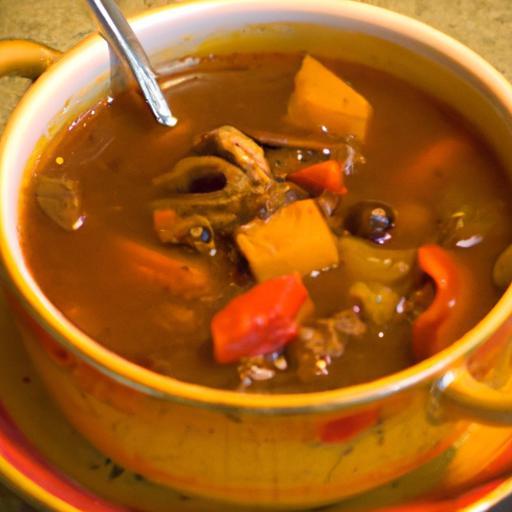
In the vibrant tapestry of African cuisine, few dishes ignite the senses quite like African Pepper Soup. More than just a meal, this steaming bowl of aromatic broth is a flavorful voyage steeped in tradition, culture, and community.From the fiery spices that dance on the tongue to the comforting warmth that soothes the soul, African Pepper Soup offers a captivating glimpse into the culinary heritage passed down through generations. join us as we embark on a spicy journey through time and taste, exploring the origins, variations, and enduring meaning of this beloved dish that continues to unify and delight across the continent.
The Origins and Cultural Significance of African Pepper Soup
African pepper Soup carries a rich heritage, weaving together centuries-old traditions and a love for bold, warming flavors. This fiery broth, rooted in West African culinary culture, is more than just a dish-its a symbol of hospitality, party, and healing. Historically, pepper soup has been served during communal gatherings, weddings, and even after childbirth to invigorate the body and spirit. Its use of indigenous spices highlights the continent’s vibrant agricultural landscape and the deep connection between food and cultural identity. For many,African Pepper Soup is a comforting reminder of home,blending fiery heat and aromatic herbs that awaken senses and communal bonds alike.
Key Ingredients That Define Its Fiery Flavor
The soul of African Pepper Soup lies in its distinctive combination of spices and fresh ingredients that build layers of complexity. Central to the signature heat is the Calabash nutmeg, an earthy spice that adds a subtle warmth, alongside the sharp, zesty profiles of afro-spices such as grains of Selim (known as Negro pepper) and dried chili peppers. The fragrant notes of alligator pepper or goraka seed blend with fresh ginger and garlic, creating a symphony of flavors. The broth often includes scallions and healing herbs native to West Africa,which intensify the comforting and restorative qualities. The protein base varies, but traditional versions often use fish, goat, chicken, or beef, simmered until tender and infused with the aromatic spices that define this iconic soup.
Regional Variations and Unique Preparations to Explore
African Pepper Soup is wonderfully versatile, with each region bringing its own twist. In Nigeria, for example, the Igbo people favor a delicate balance of spices with light meats like catfish or goat, allowing the peppery broth to shine through transparently. The Yoruba style often includes a thicker broth with more aggressive chili heat, frequently incorporating bitter leaf for an herbal edge. Ghanaian versions might use more aromatic herbs such as prekese pods, giving the soup a slightly smoky and herbal undertone. In Cameroon and other parts of Central and East Africa,local peppers and spice blends create deeper,more nuanced heat profiles,sometimes enriched with palm oil to lend a velvety finish. Exploring these preparations is an invitation to traverse the continent’s culinary map with every simmer and steam.
Tips for Perfecting Your Own Authentic African pepper Soup
Achieving authentic depth and heat in African Pepper Soup does not have to be daunting. Begin by sourcing key spices-invest in small quantities of dried Afro-spices and fresh herbs from African or international specialty shops. Toasting whole spices lightly before grinding will intensify their aroma and flavor.When preparing the protein, simmer gently to preserve tenderness and extract robust flavors, avoiding high heat that toughens meat. Layer your seasonings gradually: add pepper early to fennel the broth’s heat and fresh herbs toward the end to lift aromas. Don’t rush the cooking process; slow simmering harmonizes intensity without overpowering delicate notes. balance the fiery spice with subtle acidity-such as a squeeze of fresh lime or a few drops of vinegar-to brighten and uplift the soup’s richness.
Prep and Cook Time
prep: 20 minutes | Cook: 1 hour 15 minutes
Yield
Serves 6 hearty bowls
difficulty Level
Medium – Ideal for home cooks ready to experiment with authentic spices and slow cooking
Ingredients
- 2 lbs goat meat or chicken pieces,skin removed and washed
- 1 tablespoon Calabash nutmeg,freshly ground
- 2 teaspoons grains of Selim (Negro pepper),crushed
- 4 dried African chili peppers,crushed or ground
- 1 thumb-sized piece fresh ginger,grated
- 3 cloves garlic,minced
- 1 large onion,chopped
- 3 stalks scallions,chopped
- 2 cups water or homemade stock
- 1 teaspoon sea salt,adjust to taste
- 1 teaspoon black pepper
- 1 teaspoon ground crayfish (optional for extra umami)
- Fresh lime wedges,to serve
- Fresh basil or scent leaves,for garnish
Instructions
- Prepare the meat: Rinse well and place goat meat or chicken in a large pot. Cover with 2 cups of water or stock.
- Add aromatics: Stir in chopped onions, minced garlic, grated ginger, and scallions.Bring to a boil, than reduce heat and simmer gently for 45 minutes until very tender.
- Toast and grind spices: While the meat cooks,lightly toast Calabash nutmeg,grains of selim,and dried chili peppers in a dry pan over medium heat for 2 minutes until fragrant. Grind to a fine powder using a mortar and pestle or spice grinder.
- Incorporate spices: Add the freshly ground spices, sea salt, black pepper, and ground crayfish (if using) into the pot. Stir well to distribute flavors evenly.
- Simmer for depth: Continue simmering uncovered for 20-30 minutes, allowing the broth to intensify and thicken slightly.
- Adjust seasoning: Taste and adjust salt or pepper. For an extra fresh kick, add a squeeze of lime juice just before serving.
- Garnish and serve: Ladle into bowls and garnish with fresh basil or scent leaves. Serve piping hot with fufu, yam, or rice.
Chef’s Notes
Variations: substitute goat meat with fish or chicken for a lighter version. For vegan adaptations, use hearty mushrooms and vegetable stock, adjusting spices accordingly.
Substitutions: If Calabash nutmeg or grains of Selim are unavailable, a small pinch of freshly grated nutmeg and black peppercorns can substitute, though the unique aroma may vary.
Make-ahead tips: this soup tastes even better the next day as spices meld further. Prepare in advance and refrigerate; gently reheat, adding fresh herbs before serving.
Common pitfalls: Avoid over-boiling which can make meat tough and broth cloudy. Maintain a gentle simmer throughout the cooking process.
Serving Suggestions
Enjoy your African Pepper Soup with classic West African staples such as soft pounded yam, fufu, or boiled plantains.For an added textural contrast, pair with crunchy fried plantain chips or steamed vegetables on the side. Garnish with fresh herbs like basil or scent leaves to enhance the fragrance and add a splash of vibrant green.A wedge of fresh lime beautifully balances the intense heat and richness before each sip.

| Nutrient | Per Serving |
|---|---|
| Calories | 320 kcal |
| Protein | 35 g |
| Carbohydrates | 3 g |
| Fat | 15 g |
For more on exploring rich West African flavors, see our article on Key african Spices Every cook Shoudl Know. Discover additional traditional African ingredients at Africa Ingredients.
Q&A
Q&A: African Pepper Soup – A Spicy Journey Through Tradition
Q1: What is African Pepper Soup, and why is it so beloved across the continent?
A1: African Pepper Soup is a flavorful, aromatic broth celebrated throughout West and Central Africa. Known for its bold, spicy kick and comforting warmth, it’s more than just a meal-it’s a cultural experience. Each spoonful carries the essence of tradition, community, and the vibrant culinary heritage that connects families and celebrations alike.
Q2: What makes the spice blend in african Pepper Soup unique?
A2: The magic lies in a carefully curated mix of indigenous spices. at the heart is the alligator pepper (also called African pepper), complemented by calabash nutmeg, cloves, and sometimes a touch of ginger and garlic. This medley creates a complex heat that’s earthy,fragrant,and refreshingly sharp-distinctly different from common chili heat. It’s this signature blend that gives the soup its soul-stirring depth.
Q3: Can African Pepper Soup be made with different proteins?
A3: Absolutely! African Pepper Soup is wonderfully versatile. Traditional recipes often use fish or chicken, but goat meat, beef, and assorted seafood are popular choices as well. Each protein brings its own character,revealing new layers of flavor when simmered in that spicy,herbal broth. Vegetarian variations with mushrooms or hearty root vegetables also celebrate the soup’s essence without compromising on taste.
Q4: How is African Pepper soup traditionally served and enjoyed?
A4: Traditionally, African Pepper Soup is served hot and fresh, frequently enough as a starter during festivals, family gatherings, or after spirited occasions to rejuvenate the body. It’s commonly accompanied by side staples such as yam, plantains, fufu, or rice. The soup’s intense warmth makes it a favorite cold-whether comfort food and a natural remedy for colds and flu.
Q5: What cultural significance does African Pepper Soup hold?
A5: Beyond its flavors, African Pepper Soup symbolizes unity and wellness. It’s frequently enough prepared during rites of passage, weddings, and naming ceremonies, marking moments of joy and connection. The communal act of sharing the soup reflects generosity and healing-a culinary bond that nourishes both body and spirit.
Q6: Are there regional variations in how African Pepper Soup is prepared?
A6: Yes! West African countries each add their own twist. Nigerian versions, for example, tend to be robust and spicy, incorporating unique spice blends and local herbs. Ghanaian takes might include different vegetables or seafood varieties. Despite regional nuances, the soul of the pepper soup-its fiery, fragrant broth-remains a delicious constant.
Q7: How can home cooks recreate the authentic taste of African Pepper Soup?
A7: Start by sourcing quality alligator pepper and fresh calabash nutmeg, key to capturing the authentic aroma. Simmer your chosen protein slowly with these spices,fresh herbs like scent leaves or basil,and a dash of seasoning. Keep the soup clear and simple-its power lies in the delicate balance of heat, fragrance, and warmth. Don’t rush the simmering; each minute deepens the flavor and connects you to centuries of tradition.
Q8: What are some health benefits of African Pepper Soup?
A8: This soup is not just a treat for the taste buds but also a natural remedy. The spices used are known for their anti-inflammatory and digestive properties. It’s frequently enough served to ease cold symptoms and promote circulation-truly a delicious form of medicine passed down through generations.Q9: Can African Pepper Soup be enjoyed year-round?
A9: Indeed! While it shines as a warming dish during cooler or rainy seasons,its light,broth-based nature also makes it a perfect appetite stimulant anytime you crave somthing both wholesome and invigorating.It’s a bowl of tradition and spice you can return to all year long.
Q10: What makes African Pepper Soup a true culinary journey?
A10: African Pepper Soup carries stories, landscapes, and ancestral wisdom in every spoonful. It invites you to explore a world where heat is layered with history, where each ingredient tells a tale, and where sharing a bowl is an act of cultural celebration. Embarking on this spicy journey connects you not just to food, but to a heritage that continues to burn bright with flavor and life.
The Way Forward
As the last notes of African pepper soup linger on the palate, one realizes this dish is far more than a mere meal-it is a vibrant tapestry woven from centuries of culture, history, and community. Each spoonful carries the warmth of shared stories, the zest of carefully selected spices, and the enduring spirit of tradition that binds generations together. Whether savored at a bustling market or enjoyed in the quite comfort of home, African pepper soup invites us all to embark on a spicy journey through the heart of Africa’s culinary heritage. so next time you crave something both comforting and adventurous, let this soulful broth remind you that food is not just sustenance-it’s a celebration of identity, resilience, and connection.