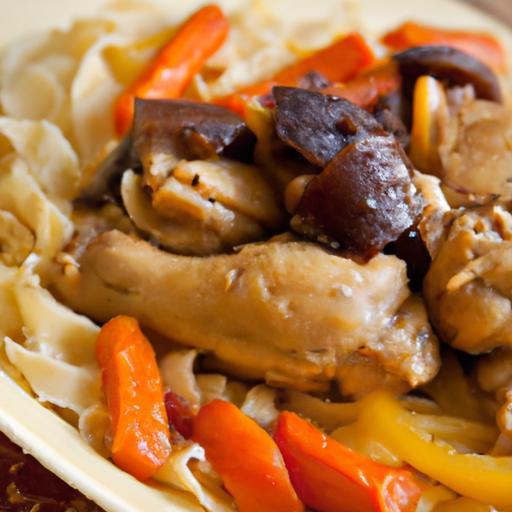
In the vibrant tapestry of Algerian cuisine, few dishes capture the heart and heritage quite like Rechta. This beloved traditional meal is more than just food-it’s a comforting embrace of fragrant, hand-rolled noodles drenched in a rich, savory broth, often accompanied by tender, slow-cooked chicken. Each strand of Rechta tells a story of generations, celebrations, and the art of balancing simple ingredients into a harmonious feast. In this article, we unravel the essence of Algerian Rechta, discovering how its delicate noodles and succulent chicken come together to create a dish that is both a culinary treasure and a warm invitation to savor Algeria’s flavors.
Algerian Rechta is a culinary gem that weaves together centuries of rich cultural heritage with the heartwarming comfort of homemade noodles and tender, aromatic chicken.Originating from the northern algerian regions, this savory dish is deeply embedded in family celebrations and festive gatherings, honoring a tradition of artisanal noodle-making passed down through generations. The delicate,ribbon-like Rechta noodles serve as a canvas for the vibrant blend of spices and slow-simmered chicken,creating a harmonious melody of flavors that evokes both nostalgia and culinary admiration.
Prep and cook Time
- Readiness Time: 45 minutes (including dough resting)
- Cooking Time: 1 hour 15 minutes
Yield
Serves 6 generous portions
Difficulty Level
Medium – Perfect for home cooks ready to explore traditional technique and flavor layering
Ingredients
- For the Rechta noodles:
- 3 cups all-purpose flour, sifted
- 1 teaspoon fine sea salt
- 1 cup warm water (approximate)
- 1 tablespoon vegetable oil or melted semolina oil
- For the chicken and sauce:
- 2 lbs whole chicken pieces (thighs and drumsticks preferred)
- 2 tablespoons olive oil
- 1 large onion, finely chopped
- 4 cloves garlic, minced
- 1 teaspoon ground cinnamon
- 1 teaspoon ground ginger
- 1 teaspoon turmeric
- 1 teaspoon ground coriander
- 1/2 teaspoon black pepper
- 1/4 teaspoon saffron threads, soaked in 2 tbsp warm water
- 6 cups chicken broth (low sodium preferred)
- Salt to taste
- Fresh parsley and coriander, chopped (for garnish)
Instructions
- Prepare the Rechta dough: In a large bowl, combine all-purpose flour and sea salt. Gradually add warm water and vegetable oil, mixing with yoru hands or a wooden spoon untill a smooth dough forms. Knead for about 10 minutes on a floured surface until elastic and supple.cover with a damp cloth and let rest for 30 minutes to relax the gluten.
- Roll and cut the noodles: Divide the dough into 4 equal parts. On a floured surface, roll each piece into a thin rectangular sheet, about 1 to 2 mm thick. Using a sharp knife or a pasta cutter, slice the dough into long, thin ribbons about 1/4 inch wide. Gently toss in semolina flour or all-purpose flour to prevent sticking.
- Blanch the noodles: Bring a large pot of salted water to a rolling boil. Drop the Rechta noodles in, stirring gently to prevent clumping. Boil for 2-3 minutes until slightly translucent but still tender. Drain and rinse under cold water. Set aside.
- Flavor the chicken: In a heavy-bottomed pot, heat olive oil over medium heat. Add chopped onion and sauté until translucent, about 5 minutes. Stir in minced garlic and cook for another minute.
- Add spices: Sprinkle in cinnamon, ginger, turmeric, ground coriander, and black pepper, stirring constantly to toast the spices and release their aroma, about 1 minute.
- Brown the chicken: Add chicken pieces to the pot, turning to coat in the spiced onion mixture. Brown the chicken lightly, about 5-7 minutes.
- Simmer with broth and saffron: Pour in the chicken broth and add the saffron along with its soaking water. Bring to a gentle boil, reduce heat, cover, and simmer for 40-45 minutes until the chicken is tender and infused with the savory spices.
- Combine noodles and sauce: Gently add the blanched Rechta noodles to the pot, stirring carefully to coat the noodles without breaking them. Simmer uncovered for another 10 minutes, allowing the noodles to soak up the flavorful broth.
- Season and garnish: Taste and adjust salt as needed. Sprinkle fresh chopped parsley and coriander on top before serving for a burst of color and freshness.
Tips for Success
- Achieving perfect Rechta Noodles: The dough’s texture is key-allow sufficient resting time for elasticity, and roll the dough thinly but evenly. Dust with semolina flour to prevent sticking and tearing.
- Chicken Variations: Use free-range chicken for richer flavor. Bone-in pieces add depth to the broth.
- Spice Substitutions: If unavailable, substitue saffron with a pinch of turmeric for color, though saffron’s unique aroma is unmatched.
- Make-ahead: Prepare noodles and chicken broth a day prior; gently reheat and combine before serving.
- Broth Control: If the broth reduces too much during simmering,add a splash of hot water to keep the sauce silky and plentiful.
Serving Suggestions and Traditional Accompaniments
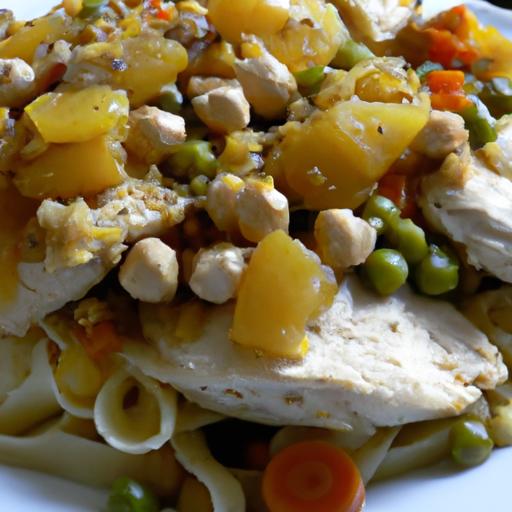
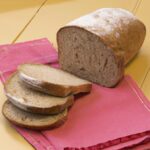
Serve Algerian rechta in shallow bowls, layering tender chicken pieces atop the golden noodles bathed in savory broth. A sprinkle of freshly chopped herbs brightens the visual appeal and flavor. For an authentic touch, offer warm, crusty khobz (Algerian flatbread) on the side to soak up every last drop of the luscious broth.
A side of lightly spiced vegetables-such as sautéed carrots and zucchini-complements the dish beautifully. Manny families enhance the meal by serving a small bowl of lemon wedges,allowing guests to add a subtle tang that cuts through the richness,balancing each bite gracefully.
Presentation Tip: Arrange the chicken pieces centrally, nestle the noodles artfully around them, and garnish with ribbons of fresh parsley and coriander leaves for a vibrant, inviting plate that celebrates both simplicity and depth.
| Nutrient | Per Serving |
|---|---|
| Calories | 480 kcal |
| Protein | 38 g |
| Carbohydrates | 45 g |
| Fat | 14 g |
 savory noodles paired with tender chicken” class=”wp-image-1234″ />
For more exploration of North African culinary traditions, check out our Authentic Moroccan couscous Recipe. To deepen your understanding of Algerian cuisine’s influences, visit Britannica’s overview of Algerian cuisine.
Q&A
Q&A: Exploring Algerian Rechta – Savory Noodles Paired with Tender chicken
Q1: What exactly is Algerian Rechta?
A1: Algerian Rechta is a traditional dish featuring delicate, hand-cut noodles served in a rich, aromatic chicken stew. It’s a culinary gem from northern Algeria, cherished for its comforting textures and fragrant spices. The noodles, often homemade, are thin and ribbon-like, making them perfect for soaking up the flavorful broth.Q2: How are the noodles in rechta different from other pasta or noodles?
A2: Rechta noodles are uniquely crafted from semolina flour and water, rolled thin, and cut into fine strips. Unlike mass-produced pasta,these noodles have a tender yet slightly chewy bite that holds up beautifully in the stew without turning mushy. Their handmade quality gives Rechta an authentic, rustic charm.
Q3: What makes the chicken in Rechta so tender and flavorful?
A3: The chicken is typically slow-cooked with a blend of spices like cumin, cinnamon, turmeric, and coriander. This slow simmering process allows the meat to become incredibly tender while infusing it with warm, earthy flavors. The broth,enriched with fresh herbs and sometimes a touch of preserved lemon,creates a deeply satisfying taste experience.
Q4: are there any traditional spices or herbs essential to the flavor profile of Rechta?
A4: Absolutely! Traditional Algerian Rechta relies on spices such as cinnamon sticks, saffron strands, ginger, and turmeric. Fresh herbs like parsley and cilantro are added towards the end to brighten the dish. This combination brings layers of aromatic warmth that are both soothing and inviting.
Q5: Can Rechta be made vegetarian without losing its signature taste?
A5: While chicken is classic, a vegetarian version can be crafted by substituting a hearty vegetable broth and including robust vegetables like chickpeas, carrots, and zucchini. Incorporating spices and herbs traditionally used in Rechta ensures that the essence of the dish remains intact, delivering that treasured flavor profile even without meat.
Q6: How is Rechta traditionally served in Algerian culture?
A6: Rechta is often enjoyed during special occasions and family gatherings, served communal-style in a large, shallow dish.It’s common to accompany it with a side of freshly baked bread to mop up the flavorful broth. The sharing of Rechta symbolizes hospitality and togetherness.
Q7: What makes Rechta a dish worth trying for someone new to Algerian cuisine?
A7: Rechta offers a harmonious balance of textures-the soft, savory noodles paired with tender, spiced chicken-and a broth bursting with subtle yet vibrant flavors. It’s comfort food elevated by tradition,giving newcomers a genuine taste of Algerian culinary artistry that’s both approachable and memorable.Q8: Are there any tips for making Rechta noodles at home?
A8: Patience is key! Use high-quality semolina flour, and let the dough rest well before rolling it out thinly. Cut the noodles finely but evenly to ensure consistent cooking. If fresh noodles feel daunting, dried Rechta or similar thin pasta can be a useful shortcut, though nothing compares to the homemade charm.
Whether you’re diving into Algerian cuisine for the first time or seeking to recreate a cherished dish, Rechta offers a delicious invitation to savor culture, history, and heartfelt flavors in every bite.
The Way Forward
As the aromatic steam rises from a steaming bowl of Algerian Rechta, it invites more than just a meal-it offers a journey through centuries of culinary tradition. The delicate, handcrafted noodles woven seamlessly with tender, fragrant chicken create a harmonious blend that speaks to the heart of Algerian hospitality and flavor. Whether savored in a bustling family gathering or enjoyed quiet and contemplative, Rechta is more than food; it is a celebration of culture, patience, and love.So next time you crave a dish that warms both palate and soul, let Algerian Rechta remind you that sometimes, the simplest ingredients, when brought together with care, create the most unforgettable experiences.