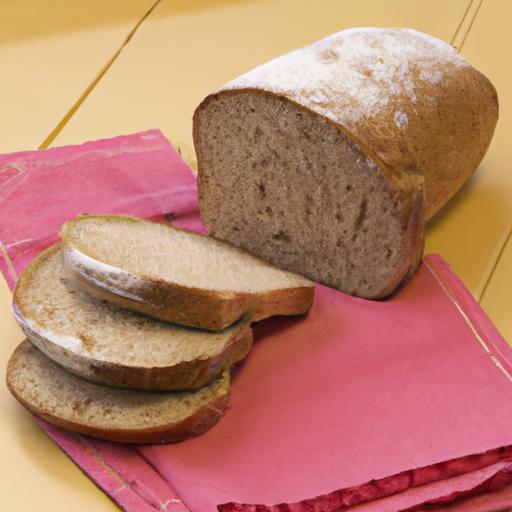
Bread-the comforting cornerstone of countless cultures-has long been more than just a simple staple. While the aroma of freshly baked white or whole wheat loaves may bring warmth to any kitchen, the world of bread offers an exciting realm that stretches far beyond the basics. In this article, “Baking Beyond Basics: discover unique Bread Recipes Today,” we invite you to embark on a flavorful journey where customary techniques meet inventive twists. From infused flavors and unexpected ingredients to artful shapes and ancient grains, these unique bread recipes promise to awaken your creativity and elevate your baking game. Whether you’re a seasoned baker or an eager novice, prepare to knead, fold, and rise into a new dimension of bread-making that transforms everyday loaves into extraordinary edible works of art.
Baking Beyond Basics: Unlocking the flavorful potential of Ancient Grains and Artisan Pairings
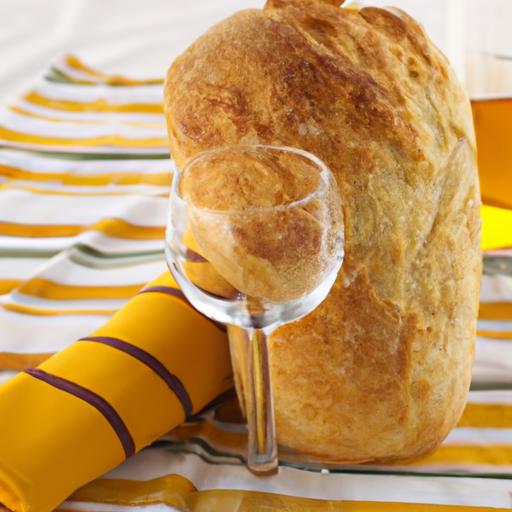
Baking beyond Basics: Discover Unique Bread Recipes Today invites you on a journey to explore the rich textures and complex aromas of ancient grains like spelt, einkorn, and teff. These grains, cherished for centuries, offer a delightful twist to your usual loaf, elevating every bite with nutty undertones and wholesome goodness. Inspired by timeless techniques and unexpected ingredient pairings, this recipe unlocks new dimensions in artisanal bread baking that transform your kitchen into a bakery of vibrant textures and bold flavors.
prep and Cook Time
- Preparation: 30 minutes
- First Rise: 2 hours
- Second Rise: 45 minutes
- Baking Time: 40 minutes
- total Time: Approximately 4 hours
Yield
One large loaf, serving 8-10 slices.
Difficulty Level
Medium – Great for adventurous bakers looking to master uncommon techniques.
Ingredients
- 2 cups whole spelt flour, sifted
- 1 cup einkorn flour
- ½ cup teff flour
- 1 ½ cups warm water (about 110°F)
- 2 tsp active dry yeast
- 1 tbsp raw honey
- 1 ½ tsp sea salt
- 2 tbsp olive oil, plus extra for greasing
- ¼ cup flaxseed meal (optional, for added texture)
- 2 tbsp toasted sunflower seeds (for folding into the dough)
Instructions
- Activate the yeast: In a small bowl, combine warm water, honey, and yeast. Stir gently and let sit for 10 minutes until bubbly and fragrant.
- Mix dry ingredients: In a large bowl, whisk together the spelt, einkorn, teff flours, flaxseed meal, and sea salt. this blend balances the nutty, earthy flavors and adds depth.
- Combine wet and dry: Create a well in the center of the dry ingredients and pour in the yeast mixture and olive oil. Using a wooden spoon, gently mix until a shaggy dough forms.
- Incorporate seeds: fold in the toasted sunflower seeds, distributing them evenly. These add delightful crunch and a subtle nutty burst.
- Knead the dough: Transfer to a lightly floured surface and knead for about 8-10 minutes until smooth and elastic. If the dough feels sticky, sprinkle with a bit more spelt flour, but avoid over-flouring to maintain softness.
- First rise: Lightly oil a clean bowl, place the dough inside, and cover with a damp cloth or plastic wrap. Allow it to rise in a warm spot for approximately 2 hours, or until doubled in size.
- Shape the loaf: gently deflate the risen dough and shape it into a round boule or oblong loaf. Place on a parchment-lined baking tray or in a floured proofing basket for added rustic texture.
- Second rise: Cover and let rest for 45 minutes, allowing the dough to bloom with gentle airiness.
- Preheat the oven: Set your oven to 425°F (220°C). For a crisp, artisan crust, place a cast-iron skillet or shallow pan with water on the rack below during baking.
- Score and bake: Using a sharp blade,score the top of the loaf with a few shallow slashes to control expansion and create beautiful patterns. Bake for 40 minutes, rotating halfway through for even browning.
- Cool wholly: Remove the loaf and transfer to a wire rack. Let the bread cool fully before slicing to allow flavors to develop and crumb to set perfectly.
tips for Success
- Flour substitutions: If einkorn is unavailable, substitute with whole wheat flour but keep teff intact for its unique flavor profile.
- Hydration adjustments: Ancient grains absorb liquid differently; feel free to add water 1 tbsp at a time if dough feels too dry during kneading.
- Make-ahead: For an even deeper flavor,refrigerate the dough overnight during the first rise.Bring to room temperature before shaping and second proofing.
- Texture enhancer: Toasted seeds can be replaced with pumpkin seeds or chopped nuts for variation.
- Crust perfection: Spritz water on the loaf before baking or use a Dutch oven to trap steam if you prefer a more rustic, crackly crust.
Serving Suggestions
Enjoy this loaf sliced thick and slathered with creamy roasted garlic hummus or a rich sun-dried tomato pesto. The hearty, slightly sweet undertones of spelt and teff complement buttery avocado mash garnished with crushed chili flakes and lemon zest. For an elegant pairing, serve alongside a warm bowl of hearty lentil soup or a fresh salad tossed with tangy sumac vinaigrette. Finish with a sprinkle of flaky sea salt and a drizzle of extra virgin olive oil for visual appeal and added flavor complexity.

| Nutrient | Per Slice (Approx.) |
|---|---|
| Calories | 150 kcal |
| Protein | 5 g |
| Carbohydrates | 28 g |
| Fat | 3.5 g |
For a deeper dive into the fascinating world of grains and baking science, visit the Bread Science Project, an invaluable resource for bakers seeking to master their craft.
Q&A
Q&A: Baking Beyond Basics – Discover Unique Bread Recipes Today
Q1: What does “baking beyond basics” really mean?
A1: Baking beyond basics is about pushing past your everyday loaf – it’s the art of exploring bold flavors, uncommon grains, and creative techniques.It’s where simple dough transforms into edible stories, captivating the senses with every crumb.
Q2: Why should I try unique bread recipes instead of sticking to classic white or whole wheat bread?
A2: Classic breads are comforting staples, but unique recipes invite you into a world of texture, aroma, and taste you’ve never experienced before. They broaden your baking horizons, challenge your skills, and bring exciting new conversations to your table.Q3: Can you give examples of distinctive ingredients that can elevate bread baking?
A3: absolutely! Think of ancient grains like teff or amaranth, nutty rye, or hearty spelt flours.Incorporate seeds like caraway or nigella, or unexpected natural additions such as roasted garlic, caramelized onions, or even fresh herbs like rosemary and thyme for depth and aroma.
Q4: how can I add flavor variations without overwhelming the natural bread taste?
A4: Balance is key. Use subtle infusions-such as citrus zest or mild spices like cardamom-to enhance rather than mask. Layer these flavors carefully, and keep hydration and fermentation times in mind to preserve the bread’s ideal crumb and crust.
Q5: Are ther unique shaping or scoring techniques I can try to make my bread stand out visually?
A5: Definately! Beyond the traditional slash, experiment with braided loaves, twisted batards, or decorative scoring patterns inspired by nature-like leaves or waves. These artistic touches transform a loaf into a centerpiece, turning baking into a visual as well as a culinary craft.
Q6: What kind of equipment or tools help when baking more adventurous bread recipes?
A6: While a classic baking stone and Dutch oven work wonders, specialized tools like a couche (linen cloth) for proofing, a lame for scoring precision, or even a bread cloche can help shape and bake your dough with a professional edge. A digital scale and reliable thermometer lead to consistent, successful results.
Q7: How important is fermentation time in creating unique bread flavor and texture?
A7: Fermentation is the heartbeat of flavor advancement. Longer, slower fermentation allows natural enzymes and yeasts to intensify the bread’s aroma, improve softness, and deepen complexity. Experimenting with overnight cold ferments or sourdough starters can turn ordinary dough into extraordinary loaves.
Q8: Any advice for bakers who want to venture beyond store-bought yeast?
A8: Embrace the world of wild yeast! Crafting your own sourdough starter can be a magical journey.It unlocks rich tangy notes and lends each bake its own signature fingerprint. Plus, nurturing a starter is like developing a faithful baking companion over time.Q9: can exploring international bread traditions inspire my baking?
A9: Absolutely! Every culture offers unique breads-from the spiced flatbreads of the Middle East to the dense,hearty rye breads of Eastern Europe,or Japanese milk bread with its tender crumb. Delving into these traditions adds global flair and depth to your baking repertoire.
Q10: What’s the best mindset for someone ready to start baking beyond basics?
A10: be curious, patient, and fearless! Bread baking is part science, part art. Mistakes are flavorful lessons. Embrace experimentation, savor the process, and remember that every loaf you bake is a new adventure in flavor and creativity.
Key Takeaways
As you close the oven door on this journey through extraordinary loaves and inventive twists, remember that baking beyond basics is more than a recipe-it’s an invitation to experiment, to savor, and to share. Each unique bread recipe unlocked today is a doorway to new flavors and textures,waiting for your personal touch. So gather your ingredients, embrace the unexpected, and let your kitchen become a playground where tradition meets creativity.After all, the best bread stories are the ones you bake yourself. Happy baking!