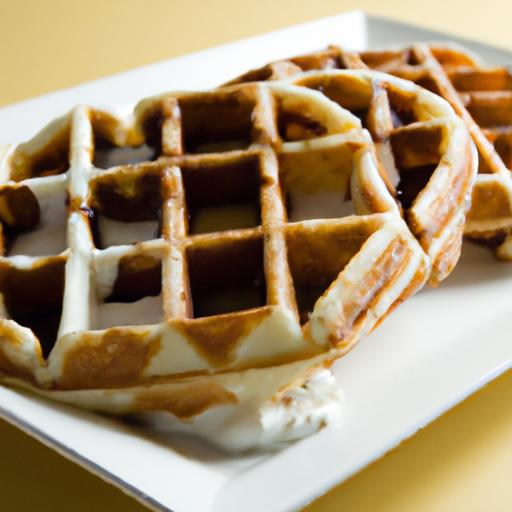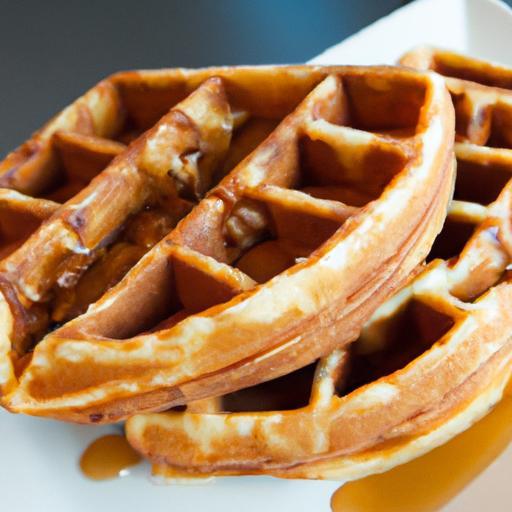
Golden, airy, and irresistibly crisp-Belgian waffles are more than just a breakfast favorite; they are an edible testament to centuries of culinary tradition and innovation. From the cobblestone streets of Brussels to bustling cafes around the world, these iconic waffles have woven themselves into the fabric of global sweet culture. Join us on a crispy journey through sweet tradition as we explore the origins, evolution, and enduring charm of Belgian waffles-where every bite tells a story of heritage, craftsmanship, and irresistible flavor.
Belgian waffles offer a delightful blend of crispy edges and pillowy interiors,a culinary marvel celebrated far beyond their Belgian roots. Born in the medieval markets of Brussels and Liège, these waffles have evolved into diverse regional treasures, each bringing unique textures and flavors to the table. Whether you prefer the light, eggy Brussels style or the caramelized, dense Liège variation, mastering the art of making authentic Belgian waffles at home is both rewarding and surprisingly simple.
Prep and Cook time
- Planning Time: 15 minutes
- Cooking Time: 5-7 minutes per waffle
- Total Time: Approximately 25-30 minutes
Yield
Makes 4 large Belgian waffles
Difficulty Level
Medium – Requires some patience with batter resting and mastery of waffle iron temperature
Ingredients
- 2 cups all-purpose flour, sifted
- 2 tablespoons granulated sugar
- 1 tablespoon baking powder
- 1/2 teaspoon fine sea salt
- 3 large eggs, separated
- 1 3/4 cups whole milk, warmed
- 1/2 cup unsalted butter, melted and slightly cooled
- 1 teaspoon pure vanilla extract
- Optional: 1 tablespoon pearl sugar (for caramelized pockets, Liège style)
Instructions
- Preheat your waffle iron according to manufacturer instructions to reach an ideal medium-high heat. Grease the grids lightly with butter or nonstick spray for uniform crisping.
- In a large bowl, combine sifted flour, sugar, baking powder, and salt. Whisk thoroughly to ensure even distribution of dry ingredients.
- In a separate bowl, whisk the egg yolks, warm milk, melted butter, and vanilla extract until fully incorporated.
- Pour the wet ingredients slowly into the dry mix, stirring gently with a spatula or wooden spoon until just combined. Be careful not to overmix; some small lumps are welcome for tender waffles.
- In a clean bowl, use an electric mixer or whisk to beat the egg whites until stiff peaks form. This aerates the batter, crucial for that signature fluffiness.
- Gently fold the egg whites into the batter in three additions, using a spatula and a light hand to preserve the air bubbles for maximum lightness.
- For the Liège-style,fold in pearl sugar now. It will create delightful crunchy, caramel pockets when cooked.
- Scoop a generous amount of batter onto the center of your preheated waffle iron. Close the lid and cook for approximately 5-7 minutes, or until the waffle is golden brown and crispy on the edges.
- Carefully remove the waffle using a heatproof spatula and place it on a wire rack to keep crispiness intact. Repeat with remaining batter.
Tips for Success
- Allow the batter to rest for 10 minutes before cooking to improve gluten development and absorbency, enhancing texture.
- Temperature control is key: too low,and waffles become dense; too high,and they burn before cooking through.Test your iron with a small waffle first.
- If you prefer a lighter Brussels style, replace half the milk with sparkling water or club soda to add extra lift.
- Use the freshest eggs; the egg whites’ ability to hold stiff peaks ensures that iconic airy texture.
- Waffles are best enjoyed instantly but can be kept warm at 200°F (93°C) in a low oven on a rack for up to 20 minutes without losing crispness.
- make-ahead option: cook waffles completely, cool, then freeze individually in airtight bags. Reheat in a toaster or oven for near-fresh delight.
Serving Suggestions
The magic of Belgian waffles is their versatility. For a classic touch, dust them with powdered sugar, then top with freshly whipped cream and ripe strawberries or blueberries for vibrant color and freshness. For contemporary flair, drizzle with salted caramel sauce or maple syrup and add toasted pecans or sliced bananas. Vegan or gluten-free options can be explored by substituting ingredients but keeping the structural principles intact ensures success.
For a savory twist, serve these waffles with a dollop of herbed ricotta, smoked salmon (non-pork), and a sprinkle of fresh dill. Garnishing with mint leaves or edible flowers can elevate presentation to a feast for the eyes, perfect for brunch gatherings.
Nutritional Information
| Nutrient | Per Serving (1 Waffle) |
|---|---|
| Calories | 340 kcal |
| Protein | 8 g |
| Carbohydrates | 40 g |
| Fat | 15 g |

Exploring Regional Variations of Belgian Waffles
The famed Belgian waffles showcase how regional ingredients and traditions influence this beloved dish. Brussels waffles are rectangular, lighter, and characteristically airy, ideal for pairing with fruit sauces and delicate creams. Liège waffles, on the other hand, are irregularly shaped with a heavier dough enriched with pearl sugar, giving them a caramelized crunch. In Wallonia, waffles frequently enough incorporate lemon zest or cinnamon, adding aromatic depth. Discover more about these fascinating variations in our extensive guide to Belgian waffles.
For more about the history and cultural significance of European pastries, visit the Encyclopedia Britannica’s waffle article.
Q&A
Q&A: Belgian Waffles – A Crispy Journey Through Sweet Tradition
Q1: What makes Belgian waffles distinct from other types of waffles?
A1: Belgian waffles are celebrated for their deep pockets and airy, crisp texture, which sets them apart from thinner, denser waffle varieties. Their batter typically includes yeast or beaten egg whites, lending a delicate fluffiness encased in a golden, crunchy exterior-perfect for holding a cascade of sweet toppings.
Q2: Where did the Belgian waffle originate, and how did it gain its popularity?
A2: Originating in Belgium, these waffles were a customary street food enjoyed at fairs and markets. they gained international fame during the 1962 World’s Fair in Seattle, where their lightness and ability to carry luscious toppings charmed visitors, sparking a global love affair with the treat.Q3: What are the essential ingredients that create the signature texture of Belgian waffles?
A3: The magic lies in a combination of flour, eggs, sugar, milk, and a leavening agent-frequently enough yeast or baking powder. Whipping the egg whites separately or fermenting the batter overnight adds airiness,while a touch of melted butter ensures a crisp crust when cooked just right.
Q4: How can one achieve the perfect crispy yet fluffy Belgian waffle at home?
A4: Patience is key. Allowing the batter to rest lets the flavors meld and air bubbles form. Preheating the waffle iron ensures an even golden finish, while resisting the urge to open the iron too early guarantees the waffles crisp fully without sticking. Using quality ingredients and proper heat balance transforms kitchen efforts into golden masterpieces.Q5: What are some classic and creative toppings traditionally paired with Belgian waffles?
A5: Traditionally, fresh whipped cream, strawberries, and dustings of powdered sugar complement the waffles’ sweetness. Creative twists can include dollops of Greek yogurt and honey, a medley of tropical fruits like mango and passionfruit, or even a sprinkle of toasted nuts for added crunch.The deep pockets cradle these delights,making every bite a burst of flavor.
Q6: Are Belgian waffles always sweet,or can they be enjoyed in savory forms?
A6: While Belgian waffles are most famously sweet,their versatile texture lends itself beautifully to savory creations as well. Think herbed waffle batter served alongside fresh arugula and a drizzle of lemon tahini sauce, or topped with sautéed mushrooms and a hint of garlic-infused olive oil-delicious avenues that honor the waffle’s culinary adaptability.
Q7: How has Belgian waffle culture influenced modern brunches around the world?
A7: Belgian waffles have become a brunch icon, inspiring cafes globally to elevate the dish beyond simple syrup and butter. Their visual appeal and satisfying crunch invite innovation-from vegan batters to elaborate plating with seasonal fruits and artisanal syrups-turning a humble batter into a canvas for culinary creativity.
Q8: Can Belgian waffles be enjoyed year-round, or are they tied to specific seasons?
A8: Belgian waffles harmonize with every season. In summer, they pair beautifully with fresh berries and light cream, while in colder months they cozy up to warm spices like cinnamon and nutmeg, or rich toppings like caramelized apples. Their timeless appeal makes them a sweet tradition to be savored any time of year.
In Conclusion
As the aroma of golden Belgian waffles lingers in the air, we’re reminded that this delightful treat is more than just a breakfast favorite-it’s a crispy testament to centuries of culinary tradition and cultural pride. From humble beginnings in the bustling streets of Brussels to global brunch tables, belgian waffles continue to enchant with their perfect balance of crunch and fluff. So whether you savor them dripping with syrup,adorned with fresh berries,or simply on their own,each bite is a sweet journey through history,flavor,and the timeless art of waffle making.Here’s to Belgian waffles-a delicious tribute to tradition that never goes out of style.