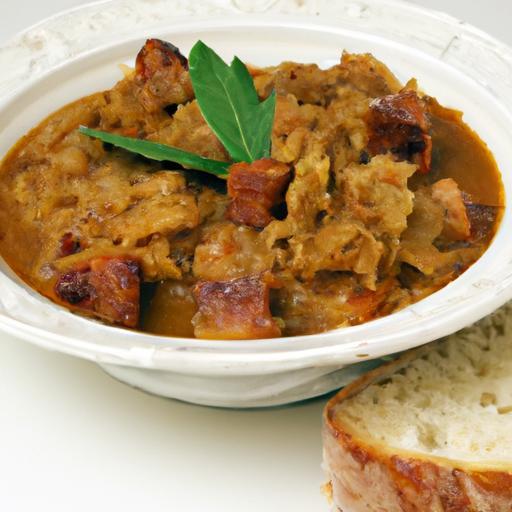
Nestled deep within the heart of Polish culinary heritage lies a stew that is as rich in history as it is in flavor-bigos. Often dubbed Poland’s hearty hunter’s stew, bigos is more than just a dish; it is a tapestry woven from centuries-old traditions, seasonal bounty, and the warmth of communal gatherings. This robust blend of sauerkraut, fresh cabbage, and an assortment of meats has long fueled hunters trudging through forests, symbolizing both sustenance and celebration. In uncovering the story behind bigos, we explore not only its savory layers but also the cultural spirit that continues to keep this beloved stew simmering in Polish kitchens today.
The Origins and Evolution of Bigos in Polish Culinary Heritage
Bigos uncovered: Poland’s Hearty Hunter’s Stew Tradition invites you on a flavorful journey through a dish steeped in folklore and tradition. Bigos is much more than a stew; it’s a savory narrative handed down through generations, embodying the resourcefulness and hearty spirit of Polish hunters and peasants alike.Originally concocted as a practical way to use preserved meats and cabbage during long winters,this stew evolved alongside Poland’s shifting borders and diverse influences. the melding of fermented sauerkraut with fresh cabbage,combined with a blend of wild game and cured meats (excluding pork in this rendition),creates a robust tapestry of tastes that define Polish culinary identity today.
The depth of Bigos’ flavor comes from its slow simmering process, allowing the tangy, smoky, and earthy components to marry beautifully. Each family’s recipe is like a fingerprint: unique, rich with added spices, mushrooms, or fruit to suit local harvests and personal preferences. This resilience and adaptability have kept Bigos an icon of polish tables, especially during festive seasons and cold months, fueling the soul and the body alike.
Key Ingredients and Their Roles in Building Bigos’ Distinctive Flavor
At the heart of Bigos is a deliberate balance of ingredients that play critical roles in building its character. Sauerkraut provides the essential tang and fermentation notes, awakening the palate with its zesty acid. fresh cabbage adds a tender crunch and tempers the sauerkraut’s sharpness, creating depth and texture contrast.
Beef and game meat (like venison or rabbit) offer robust umami flavors, lending the hunter’s spirit to the stew without overpowering it.Dried mushrooms, especially chanterelles or porcini, introduce a woodsy complexity that echoes the forest origins of the dish. Aromatic spices – bay leaves, juniper berries, and black peppercorns - weave through the stew, infusing subtle warmth and mystique to every bite. Together, these components create the harmonious, layered flavor that makes Bigos a beloved dish.
Traditional Cooking Techniques That Bring Bigos to Life
The secret to perfect Bigos lies in patience and technique. Traditional Polish cooks often prepare the stew in large cast-iron pots,encouraging even heat distribution and slow evaporation,which thickens the liquid and intensifies flavor. The meats are typically browned separately to develop a caramelized crust that adds smoky depth before melding with sour cabbage.
Layering is essential: sauerkraut and fresh cabbage are added gradually,balancing acidity and freshness. Gentle simmering for several hours, often over low heat, allows collagen-rich cuts of meat and vegetables to break down beautifully, while the mingling spices release their full fragrance.
Many households improve every batch by reheating leftovers multiple times-a process known as “resting Bigos”-which further harmonizes the flavors and elevates the stew’s complexity.
expert Tips for Perfecting Your own Hearty hunter’s Stew at Home
To create an authentic Bigos experience in your kitchen, begin with high-quality, lean game or beef cuts, trimmed and well-browned to develop umami-rich fond at the bottom of your pot. Use a combination of both fresh cabbage and sauerkraut to achieve textural contrast and flavor balance-rinse the sauerkraut lightly if you prefer a milder tang.
Incorporate dried mushrooms that have been soaked and reserved for cooking liquid; this earthy essence is a hallmark of traditional Bigos. Layer spices thoughtfully and avoid over-peppering – a few juniper berries, bay leaves, and allspice berries slowly release fragrant notes without overwhelming the dish.
Slow-cook the stew for at least 2-3 hours on low heat, stirring occasionally to prevent sticking. For best results, prepare Bigos a day ahead and gently rewarm, allowing the flavors to meld thoroughly. Feel free to customize by adding dried plums or apple slices for subtle sweetness,balancing the sour and savory elements expertly.
Remember, patience is your best ally: Bigos gains character and depth with every simmer and rest.
Prep and Cook Time
- Prep Time: 30 minutes
- Cook Time: 3 hours (plus resting)
Yield
Serves 6 hearty portions
Difficulty Level
Medium – requires careful layering and slow cooking but well worth the effort
Ingredients
- 2 lbs beef chuck, cut into 1-inch cubes
- 1 lb venison or rabbit meat, trimmed and cubed
- 1 large onion, finely chopped
- 3 cups sauerkraut, drained and lightly rinsed
- 2 cups fresh cabbage, shredded
- 1 cup dried wild mushrooms (porcini or chanterelles), soaked in warm water for 30 minutes
- 2 cloves garlic, minced
- 2 tablespoons vegetable oil or clarified butter
- 1 cup beef broth (or mushroom soaking liquid combined)
- 3 bay leaves
- 5 juniper berries, crushed
- 5 whole black peppercorns
- 1/2 teaspoon dried marjoram
- 1 tablespoon tomato paste
- Salt to taste
- Optional: 1/2 cup dried plums or chopped apple for subtle sweetness
Instructions
- Prepare the Mushrooms: Soak dried mushrooms in warm water for 30 minutes. Remove, chop roughly, and reserve the soaking liquid after straining.
- Brown the Meat: Heat oil in a heavy-bottomed pot over medium-high heat. Sear beef and game meat cubes in batches until deeply browned on all sides (about 5 minutes per batch). Remove and set aside.
- Sauté Aromatics: Lower heat to medium, add chopped onions and garlic to the same pot. Sauté until golden and fragrant, about 6 minutes.
- Layer the Cabbage: Add shredded fresh cabbage and sauerkraut to the pot, mixing gently to combine with onions.
- Reintroduce Meat and Mushrooms: Add browned meat and chopped mushrooms into the pot atop the cabbage, stirring lightly.
- Add Liquids and Spices: Stir in tomato paste, beef broth, and reserved mushroom soaking liquid (about 1 cup total). Add bay leaves, crushed juniper berries, peppercorns, and marjoram.
- Simmer Gently: Bring stew to a low simmer, cover partially, and cook on low heat for 2½ to 3 hours. Stir occasionally to prevent sticking, adding extra broth if needed.
- optional Sweet Note: In the last 30 minutes, stir in dried plums or apple slices if using, allowing subtle sweetness to meld with the savory stew.
- Rest and Reheat: For best flavor, allow Bigos to cool and refrigerate overnight. Reheat gently the next day before serving to enhance depth.
- Final Seasoning: Adjust salt and pepper to taste just before serving.
Tips for Success
- Use a heavy pot like cast iron or enameled Dutch oven to maintain steady heat and avoid burning.
- Balance sauerkraut acidity by rinsing lightly if you prefer a less sharp stew.
- For a vegetarian spin, substitute meats with smoked tofu or hearty mushrooms, increasing vegetable broth accordingly.
- Make big batches and freeze portions-it reheats beautifully and develops richer flavor over time.
Serving suggestions
Serve Bigos hot with rustic rye bread or buttery egg noodles to soak up every savory drop. garnish with fresh chopped parsley or a dollop of mild sour cream to add brightness and creaminess. A side of pickled cucumbers or beet salad complements the dish’s layered acidity perfectly, creating a classic Polish table setting that invites warmth and conviviality.

| Nutrient | Per Serving |
|---|---|
| Calories | 410 kcal |
| Protein | 35 g |
| Carbohydrates | 18 g |
| Fat | 18 g |
Discover more traditional Polish recipes in our Polish recipes collection. For a deep dive into the science behind fermentation, visit ScienceDaily’s article on fermented foods.
Q&A
Q&A: Bigos Uncovered – Poland’s Hearty Hunter’s Stew tradition
Q: What is Bigos and why is it considered Poland’s national dish?
A: Bigos is a rich,hearty stew that has been a beloved staple in Polish cuisine for centuries. Often called the “hunter’s stew,” Bigos is renowned for its comforting blend of sauerkraut, fresh cabbage, and an assortment of meats and mushrooms, slow-cooked to develop deep, layered flavors. Its status as a national dish comes from its long history, versatility, and the way it perfectly embodies Polish culinary traditions and the spirit of resourcefulness.
Q: What are the key ingredients that make Bigos unique?
A: At its heart, Bigos combines sauerkraut and fresh cabbage, lending both tang and texture. The stew frequently enough includes a variety of game meats like venison or beef, along with smoked sausages made without pork, and earthy forest mushrooms. Bay leaves, juniper berries, allspice, and black peppercorns contribute aromatic depth, while a touch of tomato paste or dried fruits like prunes add subtle sweetness and complexity.
Q: How did Bigos originate and what does “hunter’s stew” imply historically?
A: Bigos dates back to the middle Ages, originally concocted by Polish hunters who combined whatever meats and preserved vegetables were on hand after a long day in the forest. The “hunter’s stew” nickname reflects its resourceful use of game and preserved ingredients-which could endure long hunts and harsh winters-making it both practical and flavorful. Over time, it evolved into a cherished home-cooked tradition celebrated during holidays and family gatherings.
Q: Can Bigos be made without pork, and how does that affect the flavor?
A: Absolutely! Bigos is incredibly adaptable. Using alternatives like beef, venison, turkey, or even wild fowl provides rich, robust flavors that pair beautifully with the tangy cabbage and smoky mushrooms. While pork is commonly used, avoiding it simply invites creative substitutions that highlight other delicious meats without sacrificing the stew’s signature hearty taste.
Q: what role do sauerkraut and fresh cabbage play in Bigos?
A: Sauerkraut lends Bigos its characteristic tangy sourness, cutting through the richness of the meats and balancing the stew perfectly.fresh cabbage adds a gentle sweetness and tender crunch, giving the dish a satisfying texture contrast. Together, they create a harmonious, layered flavor profile that defines Bigos.
Q: Are mushrooms important in Bigos,and which varieties are traditional?
A: Mushrooms are indeed essential-they add earthiness and umami that elevate the stew’s complexity. Traditionally, wild forest mushrooms like porcini or boletus are prized for their intense flavors, but cultivated varieties such as cremini or shiitake can also work beautifully. The mushrooms soak up the stew’s savory broth, becoming succulent bites of woodland goodness.
Q: How is Bigos typically served and enjoyed in Poland?
A: bigos is often served steaming hot alongside hearty rye bread or boiled potatoes, perfect for soaking up its fragrant sauce. It’s a festive dish frequently prepared in large quantities for family gatherings or holidays, symbolizing warmth, hospitality, and the sharing of abundance. Leftovers are even said to taste better the next day as the flavors further meld and deepen.
Q: What makes preparing Bigos a unique culinary experience?
A: Making Bigos is as much about ritual as it is indeed about flavor. Traditionally, it’s cooked slowly over several hours or even days, with occasional reheating to enhance taste-a process known as “resting.” This slow cooking allows the ingredients to marry beautifully, creating a stew that’s both rustic and refined. The act of preparing Bigos often brings families together, passing down heritage through shared kitchen time and storytelling.
Q: Can Bigos be adapted for vegetarian diets?
A: Yes! While bigos is famously meaty, a vegetarian version can shine by focusing on its core: the cabbage, sauerkraut, and an abundance of mushrooms. Adding smoked paprika, liquid smoke, or hearty legumes like lentils can help replicate the stew’s meaty depth, delivering a warming and satisfying plant-based interpretation that honors the spirit of the original.
Q: What cultural importance does Bigos hold in modern Poland?
A: Beyond its delicious taste, Bigos is a culinary emblem of Poland’s history and resilience. It reflects a connection to the land, forest, and seasonality, while also celebrating the ingenuity of traditional food preservation.Modern Poles cherish Bigos not only as a festive dish but as a comforting reminder of home,family,and shared heritage-making every bowl a slice of Polish identity.
In Conclusion
As the savory aroma of Bigos continues to waft through Polish kitchens, it carries with it centuries of history, culture, and hearty tradition. More than just a stew,Bigos is a living story-each simmered pot a celebration of Poland’s rustic roots and the warmth of shared meals around the hearth. Whether enjoyed on a frosty winter evening or during festive gatherings,Bigos remains a delicious testament to the ingenuity and spirit of the Polish people. So next time you savor this hunter’s stew,remember-you’re tasting a legacy that has nourished both body and soul across generations.