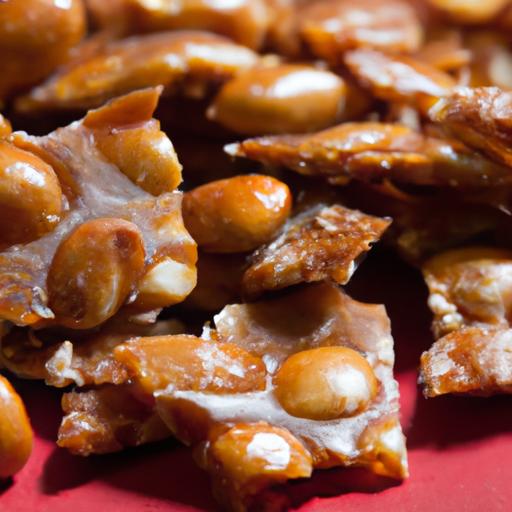
In the bustling streets of China, where ancient traditions meet modern life, a humble confection has been delighting taste buds for centuries: Chinese peanut candy. This sweet, crunchy treat weaves together the rich aroma of roasted peanuts and the warm, caramelized embrace of maltose syrup, creating a sensory experience that is both nostalgic and timeless. More than just a snack, Chinese peanut candy is a cultural emblem-a bite-sized story of craftsmanship, party, and heritage.Join us as we unravel the history, ingredients, and irresistible charm of this beloved traditional delight.
Chinese Peanut Candy captivates with its irresistible texture and timeless charm, a traditional sweet that has delighted generations across China and beyond. This beloved treat traces its roots back centuries,often enjoyed during Lunar New Year celebrations and as a symbol of good luck and prosperity. Its crunchy, caramelized peanuts wrapped in golden, brittle sugar offer a simple yet profound pleasure that speaks to history, culture, and the art of traditional confectionery.
Prep and Cook Time
- Readiness: 15 minutes
- Cooking: 10 minutes
- Cooling and setting: 30 minutes
Yield
Approximately 20 pieces (1 inch squares)
Difficulty Level
Medium – requires careful temperature control and timing for perfect caramelization
Ingredients
- 1 cup raw peanuts, skin removed
- 3/4 cup granulated sugar
- 1/4 cup maltose syrup or light corn syrup
- 2 tbsp water
- 1/4 tsp salt
- 1 tsp toasted sesame seeds (optional, for extra aroma)
- vegetable oil (for greasing the pan and tools)
Instructions
- Prepare the peanuts: Dry roast raw peanuts in a skillet over medium heat until aromatic and slightly golden, about 7-9 minutes. Set aside to cool and remove skins by rubbing between your hands.
- Grease the work surface: Lightly oil a clean marble slab or baking sheet to prevent the candy from sticking during the final step.
- Make the syrup: In a medium heavy-bottomed pan, combine the granulated sugar, maltose syrup, water, and salt. Cook over medium heat, stirring gently until the sugar dissolves.
- caramelize: Attach a candy thermometer to the pan and cook without stirring until the mixture reaches 140°C (285°F), known as the hard-ball stage – watch closely to avoid burning.
- Add peanuts and sesame seeds: Quickly stir in the roasted peanuts and optional sesame seeds until fully coated and evenly distributed.
- Transfer and flatten: Pour the hot mixture onto the greased surface. Use a lightly oiled rolling pin or spatula to spread and press the candy to about ½ inch thickness evenly.
- Cool and cut: Allow the candy to cool slightly but before it hardens fully, use a sharp knife or greased cutter to score into bite-sized squares. Let cool fully to solidify the crunchy texture.
Chef’s Notes: Tips for Success
- Temperature control: The key to that perfect crunch lies in achieving the right caramel stage. Use a reliable candy thermometer for accuracy.
- Peanut choice: Fresh, high-quality raw peanuts bring the best flavor and crunch.
- Make ahead: Store the candy in an airtight container at room temperature for up to two weeks to maintain freshness.
- Variations: Replace peanuts with sesame seeds or sliced almonds for a nutty twist. Adding a pinch of Chinese five-spice powder can create an aromatic depth.
- Work quickly: Caramel hardens fast once off heat. Have all utensils and surfaces ready in advance.
flavor Variations and Regional twists to try at Home
While the classic Chinese Peanut Candy delights with its simplicity, various regions across China infuse this treat with unique accents. In northern provinces, you might find versions incorporating a touch of maltose for an extra chewiness, while southern styles sometiems add dried orange peel for subtle citrus notes. Experiment by blending crushed ginger or a sprinkle of toasted coconut to enliven your homemade batches. These regional twists not only celebrate local ingredients but invite you to customize this traditional sweet with your own vibrant flair.
Pairing and Serving Suggestions to elevate Your Sweet experience
Enjoy the crunchy masterpiece alongside fragrant teas such as jasmine or oolong, where the floral notes perfectly balance the candy’s intense sweetness and nutty richness. For a festive presentation, place the peanut candy squares on delicate china plates garnished with edible gold leaf or tiny sprigs of mint. Consider pairing with a bowl of fresh fruit like lychees or sliced pears to cleanse the palate between bites. This approach transforms a humble snack into an elegant moment of indulgence, inviting guests to savor both the textures and stories embedded in every bite.

| Nutrient | Per Serving (1 piece) |
|---|---|
| Calories | 90 kcal |
| Protein | 2 g |
| Carbohydrates | 12 g |
| Fat | 4 g |
For deeper insight into traditional Chinese sweets, check out our comprehensive guide to Chinese desserts. To explore the science of sugar caramelization in confectionery, visit the CandyStore expert resource.
Q&A
Q&A: Exploring Chinese Peanut Candy – A Sweet, Crunchy Traditional Delight
Q1: What exactly is Chinese peanut candy?
A1: Chinese peanut candy, often called “花生糖” (huāshēng táng), is a classic traditional sweet made primarily from roasted peanuts and caramelized sugar or malt syrup. It’s known for its satisfying crunch, rich nutty flavor, and an irresistible balance of sweetness and texture that has delighted generations.
Q2: How is Chinese peanut candy traditionally made?
A2: The process begins by roasting whole peanuts to bring out their natural aroma.Simultaneously occurring, sugar or malt syrup is melted and cooked until it reaches a golden caramel consistency. The roasted peanuts are then mixed thoroughly into the hot syrup, spread onto a flat surface to cool, and quickly cut into bite-sized pieces before hardening. The result is a glossy, hard candy that shatters delightfully with each bite.
Q3: Is Chinese peanut candy gluten-free?
A3: Yes! Traditional Chinese peanut candy contains just peanuts and sugar or malt syrup, making it naturally gluten-free. However, if purchased commercially, always check the packaging for any added ingredients or processing cross-contamination if you have sensitivities.
Q4: What occasions is Chinese peanut candy commonly enjoyed during?
A4: This sweet treat is especially popular during Chinese New Year celebrations and othre festivals, symbolizing prosperity and togetherness. Peanut candy’s golden color and crunchy texture also make it a favorite gift and offering on special family occasions.
Q5: Can peanut candy be made with other nuts or seeds?
A5: While peanuts are traditional due to their hearty flavor and texture, creative variations sometimes incorporate sesame seeds or almonds for a unique twist. However, purists cherish the classic peanut version for its authentic taste and nostalgic significance.
Q6: what gives Chinese peanut candy its distinctive crunch?
A6: The crunchiness comes from the combination of roasted peanuts and hardened caramelized sugar.The sugar syrup cools into a brittle, glass-like texture that contrasts beautifully with the slightly softer, toasted peanuts.
Q7: How long can Chinese peanut candy be stored?
A7: When kept in an airtight container at room temperature, Chinese peanut candy can stay fresh and crunchy for several weeks. Avoid exposure to moisture and heat to prevent it from becoming sticky or soft.
Q8: Is Chinese peanut candy only popular in China?
A8: While it hails from China and remains a beloved traditional sweet there, Chinese peanut candy has gained popularity worldwide wherever Chinese communities thrive. Its simple,delightful flavor appeals to many,transcending cultural boundaries.Q9: can children enjoy Chinese peanut candy?
A9: Absolutely! It’s often considered a kid-kind treat because of its sweet taste and fun crunch. However, since the pieces can be quite hard, supervision is recommended for very young children to avoid choking hazards.Q10: Why has Chinese peanut candy endured for so many generations?
A10: Its enduring appeal lies in the perfect marriage of simple ingredients-just peanuts and sugar-combined with traditional preparation methods that celebrate texture, flavor, and nostalgia. It’s more than candy; it’s a sweet link to cultural heritage and shared memories.
Wrapping Up
From bustling street markets to festive family gatherings, Chinese peanut candy weaves together history, culture, and simple ingredients into a sweet, crunchy masterpiece. This humble treat, with its golden hue and satisfying snap, offers more than just a moment of indulgence-it’s a bite-sized journey into tradition and craftsmanship passed down through generations. Whether enjoyed as a nostalgic nostalgia or a new discovery, Chinese peanut candy continues to enchant taste buds and hearts alike, reminding us that sometimes, the sweetest delights come from the simplest roots.