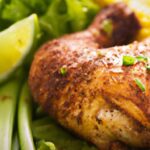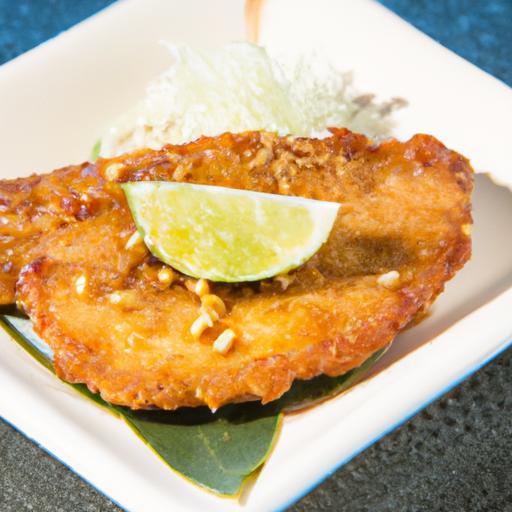
There’s something irresistibly satisfying about biting into a perfectly golden, crunchy exterior that gives way to tender, juicy chicken inside. Chicken katsu, a beloved japanese comfort food, captures this harmonious contrast to perfection, transforming simple ingredients into a symphony of texture and flavor. But behind this seemingly straightforward dish lies an art form-one that balances technique, timing, and tradition to achieve that coveted crispy delight.In this article,we embark on a flavorful journey into the mastery of chicken katsu,unraveling the secrets to its iconic crunch,exploring its cultural roots,and sharing tips to elevate your own kitchen creations from ordinary to remarkable.Whether you’re a seasoned cook or a curious foodie, prepare to discover what makes chicken katsu an enduring culinary treasure.
Crispy Delight begins with understanding the delicate balance between texture and flavor that makes chicken katsu an irresistible dish beloved worldwide. Originating from Japan,this golden-brown breaded chicken cutlet perfectly marries crunchy exterior with juicy,tender meat inside. My journey mastering chicken katsu has taught me that it’s not just about coating and frying-it’s a science and an art form that turns simple ingredients into a culinary masterpiece.
prep and Cook Time
- Preparation: 20 minutes
- Cooking: 15 minutes
- Total Time: 35 minutes
Yield
- Serves 4
Difficulty Level
- Medium
Essential Ingredients for Crispy Delight
- 4 boneless, skinless chicken breasts, pounded to ½-inch thickness
- 1 cup all-purpose flour, sifted
- 2 large eggs, beaten
- 1 ½ cups panko breadcrumbs (Japanese-style for extra crispiness)
- Salt and freshly ground black pepper, to taste
- Vegetable oil (for frying, at least 2 inches deep)
- Optional: karashi mustard or tonkatsu sauce for serving
Step-by-Step Guide: Mastering the Ideal Breading and Frying
- prepare the chicken: Rinse and pat dry each chicken breast. Place between two sheets of plastic wrap and pound gently with a meat mallet until uniform and about ½-inch thick. This ensures even cooking and tenderness.
- Season generously: Sprinkle both sides of the chicken with salt and freshly ground black pepper to amplify the natural flavor.
- Set up the breading station: Place flour, beaten eggs, and panko breadcrumbs in three separate shallow dishes. The flour helps the egg adhere, and the panko delivers the signature crunch.
- Bread the cutlets: Dredge each chicken piece in flour, shaking off excess. Dip immediately into the egg, then press firmly into the panko, ensuring thorough coverage for that perfect crispy crust.
- Preheat the oil: Heat vegetable oil in a deep skillet or fryer to 350°F (175°C). Use a thermometer for precision-too hot and the crust burns; too cool and it absorbs oil,becoming soggy.
- Fry until golden: Gently place cutlets into the hot oil without crowding. Fry each side for about 3-4 minutes,turning once,until golden-brown and cooked through (internal temperature of 165°F/74°C).
- Drain properly: Remove chicken and place on a wire rack over a baking sheet or paper towels to drain excess oil while preserving crispiness.
Expert Tips for Serving and Pairing
- Slice the chicken katsu diagonally to showcase the juicy interior and crunchy crust simultaneously, enhancing visual appeal.
- Serve with freshly steamed Japanese short-grain rice for a classic complement that balances texture and flavor.
- Add a side of shredded cabbage dressed lightly with rice vinegar or a drizzle of sesame dressing to introduce a refreshing contrast.
- Present with a small ramekin of tonkatsu sauce – a tangy, savory-sweet condiment that elevates the dish’s flavor profile.
- For a modern twist, garnish with toasted sesame seeds and thinly sliced scallions to add depth and aroma.
Chef’s Notes & Tips for Success
- Use fresh panko breadcrumbs for maximum crunch. Store-bought panko sometimes sits too long and loses crispness-try making your own by pulsing day-old white bread in a food processor.
- Don’t skip pounding the chicken as uneven thickness leads to imperfect cooking-thin parts dry out while thicker corner bits stay undercooked.
- Maintain oil temperature meticulously. Use a thermometer and adjust heat as needed to keep it between 340-350°F during frying.
- Make ahead: Bread the cutlets and refrigerate uncovered for 15 minutes before frying to help the coating adhere firmly.
- Substitutions: Chicken thighs can be used for more flavor and juiciness but may require slightly longer cooking time.
- Leftover chicken katsu can be reheated in a hot oven or air fryer for 5 minutes to restore crispiness-avoid microwave reheating to prevent sogginess.
| Nutritional Information (Per Serving) | Amount |
|---|---|
| Calories | 420 kcal |
| Protein | 38 g |
| Carbohydrates | 20 g |
| Fat | 18 g |

For those eager to diversify, try pairing this dish with a refreshing cucumber sunomono salad-my detailed recipe on Japanese Cucumber Salad perfectly complements the crispy richness. Also, for scientific insight on frying techniques, check out this extensive frying science guide by Serious Eats.
Q&A
Q&A: Crispy Delight – Exploring the Art of Chicken Katsu Mastery
Q1: What exactly is chicken katsu, and what makes it so irresistibly crispy?
A: Chicken katsu is a beloved Japanese dish featuring tender chicken cutlets coated in a golden, crunchy breadcrumb crust called panko. The secret to its irresistible crispiness lies in the light, airy texture of panko breadcrumbs combined with a precise frying technique that locks in moisture while creating a crunchy exterior. This balance of juicy chicken and crisp coating delivers that satisfyingly delightful crunch with every bite.
Q2: How do you choose the best cut of chicken for katsu?
A: For the ultimate chicken katsu,boneless,skinless chicken breasts or thighs are preferred. Breasts offer leaner, thicker pieces that can be evenly pounded to uniform thickness, ensuring fast, even cooking. Thighs, on the other hand, provide slightly richer flavor and juiciness. Either way, the key is to pound the chicken to about half an inch thick to achieve that perfect tender texture encased in crispy coating.Q3: What is the role of panko breadcrumbs in chicken katsu? Can I use regular breadcrumbs instead?
A: Panko breadcrumbs are the unsung hero of chicken katsu’s crispiness. Unlike regular breadcrumbs, panko are coarser and flakier, creating an airy crunch that doesn’t sog easily. While regular breadcrumbs can be used in a pinch, they tend to create a denser, less crispy crust. For that signature light and crunchy texture, panko is the weapon of choice.
Q4: Are there any tricks for achieving an even, golden crust without burning the coating?
A: Absolutely! Temperature control is crucial. Fry the chicken katsu in oil heated to around 340°F (170°C). Oil that’s too hot will burn the breadcrumbs before the chicken cooks through; too cool, and the coating will absorb excess oil and become greasy. also, avoid overcrowding the pan to maintain consistent oil temperature and crispiness. Using a wire rack after frying lets excess oil drip away, preserving that perfect crunch.
Q5: How can I add extra flavor to the chicken katsu without compromising the crispy texture?
A: marinating the chicken briefly in a mix of soy sauce, garlic, ginger, and a touch of mirin or a dash of citrus juice infuses it with savory depth before breading. Another technique is seasoning the flour and panko with a hint of salt, pepper, or even a pinch of smoked paprika for subtle warmth. Just remember: the coating should be light and dry, so avoid wet marinades right before dredging.
Q6: What are the classic accompaniments that elevate chicken katsu into a full meal?
A: Traditionally, chicken katsu is paired with shredded cabbage, steamed rice, and a drizzle of thick, tangy tonkatsu sauce-a savory-sweet condiment made from fruits, vegetables, and spices. Pickled vegetables or a fresh cucumber salad add a crisp, refreshing contrast, while miso soup or a light broth rounds out the meal perfectly.
Q7: Can chicken katsu be prepared in a healthier way while keeping that crunch?
A: Yes! For a lighter twist, chicken katsu can be oven-baked or air-fried. Using a light spray of oil on the panko-coated chicken before baking helps crisp the surface without deep frying. while the texture might potentially be slightly different from conventional frying, the resulting crunch and flavor remain delightfully satisfying.
Q8: How can I experiment with chicken katsu to create unique flavor twists?
A: Chicken katsu is a versatile canvas! Try incorporating different spices into your panko – think curry powder, chili flakes, or toasted sesame seeds – to add new dimensions. Swapping classic tonkatsu sauce for a zesty citrus-yuzu dressing or a creamy wasabi mayo can bring exciting new flavors. For fusion fun, serve your chicken katsu atop noodles or in a sandwich with fresh greens and pickles.
Chicken katsu is more then just a crispy cutlet; it’s a harmony of textures and flavors honed through simple but mindful techniques. Mastery of this iconic dish turns humble chicken into a crispy delight worthy of every crunchy,juicy bite!
Closing Remarks
As the golden crust of a perfectly fried chicken katsu melts into tender,juicy meat,it becomes clear that this dish is more than just a meal-it’s a festivity of technique,tradition,and taste. Mastering the art of chicken katsu invites both patience and passion, turning simple ingredients into a crispy delight that transcends cultures and kitchens. Whether you’re a seasoned cook or a curious foodie, embracing these methods transforms your culinary journey, ensuring every bite carries that irresistible crunch and savory satisfaction. So, don your apron, gather your breadcrumbs, and embark on your own chicken katsu mastery-as greatness, after all, is just one crispy layer away.