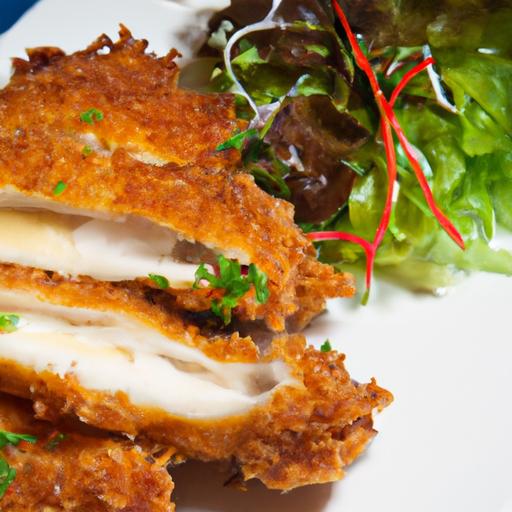
ThereS something undeniably irresistible about the satisfying crunch of perfectly fried katsu-a golden, crispy delight that has captured taste buds around the world. Originating from Japan but embraced and reinvented across asia, katsu dishes offer a crispy contrast to tender meats, enveloped in a blanket of flavorful breadcrumbs and vibrant sauces. From the classic pork cutlet to innovative twists featuring chicken, seafood, and even vegetables, exploring Asian katsu recipes opens a world of textures and tastes that promise both comfort and excitement in every bite. Join us as we dive into thes must-try crispy creations,uncovering the secrets behind their famed crunch and the diverse flavors that make katsu a beloved culinary treasure across the continent.
The Origins and evolution of Katsu in Asian Cuisine
Crispy Delight is more then just a meal; its a journey through Asian culinary history that has captured hearts worldwide. Originating in Japan during the Meiji era, katsu was inspired by European breaded cutlets but quickly evolved into its own iconic dish. The term “katsu” stems from “katsuretsu,” the japanese pronunciation of “cutlet.” What began as a simple adaptation of Western cooking morphed into a beloved comfort food, celebrated for its crunchy exterior and tender interior. This transformation showcases Asian cuisine’s incredible ability to incorporate and elevate global influences with local flair.
Today, katsu has traveled beyond Japan’s borders, inspiring variations in Korea, Thailand, and even India, where local spices and ingredients reimagine this crispy classic. Discovering its roots reveals how katsu has become an emblem of cultural exchange and culinary creativity within Asian cuisine.
Essential ingredients and Techniques for the Perfect Crisp
Achieving the quintessential crisp in katsu hinges on a harmony of quality ingredients and precise technique. The foundation always includes fresh,thinly sliced chicken breast or chicken thighs for juiciness,coated carefully with all-purpose flour,followed by a dip in beaten eggs,and finally enrobed in fine,golden Panko breadcrumbs. The unique light texture of panko creates that legendary crunch without absorbing too much oil.
Temperature control is paramount: heating the oil between 170°C and 180°C (340°F-355°F) ensures a golden-brown crust that seals in moisture. Frying in small batches preserves oil temperature and prevents soggy coating.letting the breaded cutlets rest briefly on a wire rack drains excess oil, keeping the crisp intact.
Mastering these elements guarantees each bite of katsu is a satisfying crescendo of textures and flavors.
Popular Regional Variations to Savor and Recreate
The beauty of Crispy Delight lies in its adaptability-each region offers a distinctive spin that expands both taste and presentation.
- Japanese Tonkatsu: Traditionally uses tenderized chicken or beef with a thick slice, topped with a savory-sweet tonkatsu sauce-a blend of Worcestershire, soy, and fruits.
- Korean dakgangjeong: A crisp, double-fried chicken katsu variant, glazed with a spicy-sweet sauce featuring gochujang chili paste, garlic, and honey, frequently enough garnished with toasted sesame seeds and green onions.
- Thai Katsu Curry: This pairs the crispy chicken katsu with a rich, aromatic curry sauce made from coconut milk, turmeric, and lemongrass, offering a fragrant and comforting twist.
- Indian-Style Katsu: Coated with a spiced breadcrumb mixture infused with garam masala and coriander, often served with tangy chutneys or raita for a burst of flavor contrast.
Exploring these variations not only broadens your culinary repertoire but invites you to experiment with bold layers of flavor and texture.
Creative Twists and Serving Suggestions to Elevate Your Katsu Experience
Why settle for the ordinary when crafting Crispy Delight can be an adventure? Elevate your katsu by integrating inventive garnishes and accompaniments.
- Herbaceous Slaws: A refreshing mix of shredded cabbage, carrot, and purple cabbage tossed in a zesty yuzu-miso dressing adds crunch and acidity that balances the fried cutlet perfectly.
- Umami-rich Dips: Beyond the classic tonkatsu sauce, try a truffle mayo infused with yuzu zest, or a spicy kimchi aioli to add depth and vibrancy.
- Rice Alternatives: Serve with fragrant jasmine or coconut rice to weave in subtle sweetness alongside the savory crunch.
- Innovative Proteins: Substitute chicken with tofu cutlets or firm fish fillets for delightful plant-based and seafood options that maintain the iconic texture.
- Wrap it Up: Roll katsu slices in lettuce wraps with pickled vegetables and herbs for a handheld delight, perfect for casual meals or gatherings.
- garnish with Bold Colors: Sprinkle toasted sesame seeds, sliced scallions, or edible flowers to create an Instagram-worthy plate that excites visually and gastronomically.
With these creative approaches, your Crispy Delight will never fail to impress both palate and presentation.
Prep and Cook Time
- Planning: 20 minutes
- cooking: 15 minutes
- Total Time: 35 minutes
Yield
serves 4 people
Difficulty Level
Medium
Ingredients
- 4 boneless, skinless chicken breasts (about 6 oz each), pounded to ½-inch thickness
- 1 cup all-purpose flour, sifted
- 2 large eggs, beaten
- 1 ½ cups Panko breadcrumbs
- salt and freshly ground black pepper, to taste
- Vegetable oil, for deep frying (about 3 cups)
- Tonktasu sauce (store-bought or homemade), for serving
- Shredded cabbage and lemon wedges, for garnish
Instructions
- Prepare the chicken: Season each chicken breast with salt and freshly ground black pepper. Using a meat mallet or rolling pin, gently pound to an even ½-inch thickness to ensure even cooking and tenderness.
- Set up breading stations: Place flour, beaten eggs, and Panko breadcrumbs in three separate shallow bowls.Dredge each chicken breast in flour, shaking off excess.
- Dip into beaten eggs: Coat generously so the Panko will stick properly. Allow excess egg to drip off.
- Press into Panko breadcrumbs: Ensure an even,firm coating on all sides for maximum crunch. Lightly press the breadcrumbs to secure, but avoid compressing too tightly.
- Heat oil: In a deep skillet or heavy-bottomed pot, heat vegetable oil to 175°C (350°F). Use a thermometer to maintain consistent temperature for perfect frying.
- Fry the chicken: Carefully place each breaded chicken into the hot oil without overcrowding.Fry for 4-5 minutes per side, or untill golden brown and internal temperature reaches 74°C (165°F). Turn gently using tongs to avoid disturbing the crust.
- Drain excess oil: Remove chicken from oil and transfer to wire rack set over a baking sheet to keep it crispy.
- Rest and slice: Let the chicken rest for 3-5 minutes before slicing into strips. This locks in juices and keeps the crust intact.
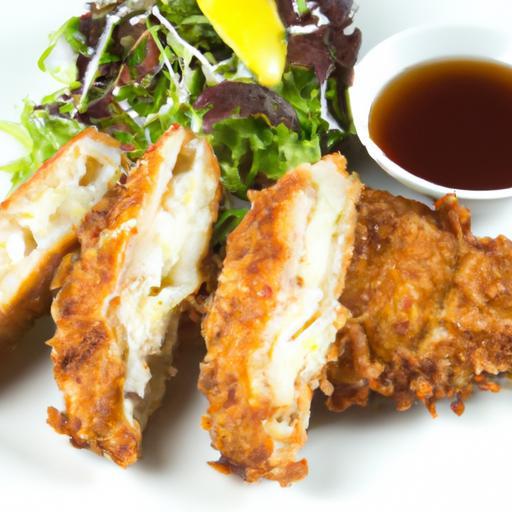
- Serve: Arrange sliced katsu on plates garnish with shredded cabbage, lemon wedges, and a drizzle or dipping bowl of tonkatsu sauce.
Tips for Success
- Maintain oil temperature: Avoid overcrowding the pan to prevent oil temperature drop and soggy coating.
- freshness counts: Use fresh Panko breadcrumbs rather of old, to guarantee lightness and crunch.
- Try variations: use skinless chicken thighs for a juicier option or firm tofu slices for a vegetarian version.
- Make ahead: Prepare breaded chicken and refrigerate up to 1 hour before frying to develop better adhesion and flavor.
- Oven finish: If uncertain about frying time, briefly bake cooked katsu at 200°C (390°F) for 5 minutes to maintain crispiness.
serving Suggestions
Pair Crispy Delight with a bowl of steamed white rice or lightly seasoned soba noodles. Complement with a vibrant side of pickled daikon and carrot to cut through the richness. For an added textural glaze, sprinkle toasted sesame seeds atop and freshen with chopped scallions. Lemon wedges offer a shining citrus contrast that awakens the palate. For ultimate indulgence, serve alongside a small salad tossed with sesame dressing or a miso soup starter.

| Nutritional Info (per serving) | Calories | Protein | Carbs | Fat |
|---|---|---|---|---|
| Chicken Katsu | 410 kcal | 38 g | 30 g | 15 g |
For a deeper dive into complementary Asian recipes, check out our Ultimate Guide to Asian Rice Recipes. To explore more about the history and cultural impact of this dish, visit Japan Guide: Tonkatsu History.
Q&A
Q&A: Crispy Delights – Exploring Asian Katsu Recipes You Must Try
Q1: What is katsu, and why is it so beloved in asian cuisine?
A: katsu is a Japanese culinary treasure that involves coating a protein-frequently enough chicken, seafood, or vegetables-in panko breadcrumbs and frying it until golden and irresistibly crispy. Its crunchy exterior pairs perfectly with juicy, tender interiors, creating a texture contrast that’s both satisfying and comforting. Beyond Japan, katsu has inspired variations across Asia, becoming a symbol of simple ingredients transformed into crunchy delights.
Q2: What types of proteins or ingredients are commonly used for katsu besides chicken?
A: While chicken katsu is a classic favourite, many other ingredients shine in katsu form. Think succulent fish fillets like white fish or tuna, plump shrimp, or even firm tofu for a vegetarian twist.Vegetables such as eggplant, sweet potatoes, and zucchini also make excellent katsu candidates, absorbing flavors beautifully while delivering a crispy bite.
Q3: What makes panko breadcrumbs special compared to regular breadcrumbs in katsu recipes?
A: Panko breadcrumbs are the secret heroes behind katsu’s signature crunch.unlike regular breadcrumbs, panko is made from crustless white bread, resulting in larger, airier flakes that fry up lighter and crispier. This texture not only creates a delightful crunch but also prevents the coating from becoming greasy, making your katsu lighter and more appetizing.
Q4: Can you share a simple basic process to make katsu at home?
A: Absolutely! Start by seasoning your chosen protein, then coat it in flour to help the egg wash stick. Dip it into beaten eggs, then press it firmly into panko breadcrumbs. Heat oil to about 350°F (175°C) and fry the coated pieces until golden brown-usually around 3-4 minutes per side. Drain on paper towels and serve hot with katsu sauce or a squeeze of fresh lemon for brightness.Q5: What are some popular dipping sauces that complement katsu?
A: Katsu sauce, a fruity and savory blend reminiscent of Worcestershire sauce with a hint of sweetness, is the traditional partner, elevating the crispy cutlets with its tang. Other great options include ponzu for a citrusy zing, spicy mayo for a creamy kick, or even a simple soy sauce glaze for a deeper umami flavor.
Q6: How can someone make a vegetarian or vegan katsu without compromising crunch or flavor?
A: The secret is in selecting firm vegetables or tofu that hold up well to frying. Press tofu to remove excess moisture,then follow the standard flour,egg (or aquafaba/flax egg for vegan),and panko coating technique. Adding a dash of smoked paprika or garlic powder to your panko mix can boost flavor. The result? A golden, crispy delight that’s just as satisfying as its meatier cousins.
Q7: Are there any regional twists or unique variations of katsu found in Asia?
A: Yes! beyond the classic Japanese chicken katsu,you can find Thai-style katsu that incorporates aromatic herbs and spices into the batter or dipping sauce. In Korea, a similar approach marries crispy fried chicken cutlets with spicy gochujang-based sauces. Even within Japan, variations like menchi katsu (ground meat patties) offer texture and flavor twists worthy of exploration.
Q8: What sides traditionally accompany katsu dishes to create a balanced meal?
A: Katsu is frequently enough served alongside fluffy steamed rice and shredded cabbage,whose crunchy freshness complements the fried texture. Pickled vegetables like daikon or cucumber add brightness and acidity, cutting through the richness. A simple miso soup or clear broth can also round out the meal with comforting warmth.
Q9: Can katsu be baked instead of fried for a healthier option?
A: Definitely! Baking katsu can create a crispy crust with less oil. To do this, lightly brush the breaded cutlets with oil and bake in a preheated oven at 425°F (220°C) on a wire rack to allow even crisping. The texture won’t exactly match frying but comes close while keeping things lighter and easier.
Q10: how can one master the perfect katsu crunch every time?
A: The keys are a hot enough oil temperature to seal the coating quickly, the right amount of panko for a thick crust, and avoiding overcrowding the pan to prevent steam from softening the crunch. Patting your protein dry before breading and resting the breaded pieces for a few minutes before frying also helps the coating adhere better. With practice,you’ll nail that golden,crispy perfection every time!
Future Outlook
As the golden crusts and tender fillings of these Asian katsu recipes continue to captivate taste buds worldwide,it’s clear that this culinary tradition is more than just a meal-it’s an experience. Whether you’re savoring the classic pork katsu, indulging in a delicate chicken variation, or venturing into innovative plant-based versions, each bite offers a satisfying crunch paired with rich, comforting flavors. So next time you crave something crispy and delicious, remember that a world of katsu delights awaits your exploration-ready to transform your kitchen into a haven of Asian-inspired comfort food. Don’t just eat katsu; celebrate it.