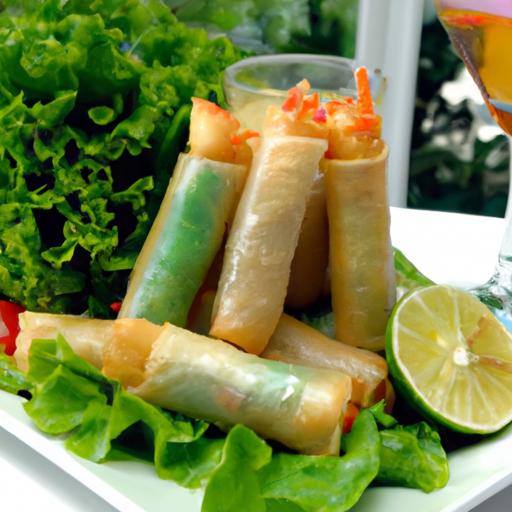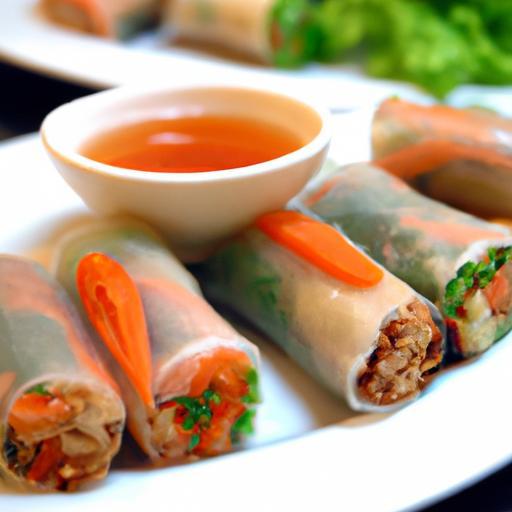
There’s a captivating crunch that dances on your palate with every bite of crispy Vietnamese spring rolls-a harmonious blend of textures and vibrant flavors wrapped in delicate rice paper. These golden, bite-sized parcels are more than just appetizers; they are a culinary festivity of freshness, tradition, and artistry. Whether stuffed with fragrant herbs, tender vegetables, or savory proteins, each roll bursts with a lively symphony of tastes that transport you straight to the bustling streets of Vietnam. In this article, we’ll unwrap the secrets behind crafting these irresistible treats and explore why crispy Vietnamese spring rolls remain a beloved favorite around the world.
Crispy Vietnamese Spring Rolls are a celebration of vibrant textures and fresh, lively flavors that embody the heart of Vietnamese cuisine. Originating from the southern regions, these golden, crunchy parcels reveal a delicate balance of crisp vegetables, aromatic herbs, and savory fillings wrapped in paper-thin rice wrappers. Every bite bursts with an irresistible crunch and freshness, transporting you straight to bustling street markets under warm tropical skies. This recipe invites you to master the art of crafting these delightful rolls, bringing an authentic taste and texture into your own kitchen.
Prep and Cook Time
- Readiness: 30 minutes
- Cooking: 15 minutes
- Total Time: 45 minutes
Yield
- Makes approximately 12 spring rolls
Difficulty Level
- Medium – Requires some finesse in rolling and frying
Ingredients
- 24 rice paper wrappers (round, 8-inch diameter)
- 1 cup glass noodles (mung bean vermicelli, soaked and drained)
- 1 cup shiitake mushrooms, stems removed and thinly sliced
- 1 medium carrot, julienned
- 1 cup bean sprouts, rinsed and drained
- 2 garlic cloves, finely minced
- 2 green onions, thinly sliced
- 1/2 cup fresh cilantro leaves, chopped
- 1/2 cup fresh Thai basil leaves
- 2 tablespoons soy sauce (or tamari for gluten-free)
- 1 teaspoon sesame oil
- salt and pepper to taste
- Vegetable oil, for deep frying
Instructions
- Prepare the glass noodles: Soak the glass noodles in warm water for 10 minutes or until softened. Drain thoroughly and chop into 2-inch lengths for easier rolling.
- sauté the mushroom mixture: Heat a drizzle of vegetable oil in a skillet over medium heat.Add minced garlic and green onions; sauté until fragrant, about 1 minute. Add sliced shiitake mushrooms and julienned carrot, cooking until tender but still slightly crisp, approximately 3-4 minutes. Stir in soy sauce, sesame oil, salt, and pepper. Remove from heat and mix in bean sprouts, cilantro, and Thai basil.
- Assemble the spring rolls: Fill a large shallow bowl with warm water. Dip one rice paper wrapper for 5 seconds to soften (it will continue to soften once removed).Lay flat on a clean kitchen towel or wooden board.Place a small handful of glass noodles and 2-3 tablespoons of the vegetable mixture near one edge of the wrapper. Fold the edge over the filling, then fold in the sides tightly. Roll firmly but gently to avoid tearing.
- Heat the oil: Pour vegetable oil into a deep, heavy-bottomed pan to a depth of 2 inches. Heat to 350°F (175°C) for perfect frying.
- Fry the spring rolls: Carefully lower 3-4 spring rolls into the hot oil without overcrowding. Fry for about 3-4 minutes,turning occasionally,until all sides turn golden brown and super crispy. Use a slotted spoon to transfer to a paper towel-lined plate to drain excess oil.
- Serve immediately: Enjoy your freshly fried spring rolls warm with your choice of dipping sauces.
Tips for Success: Elevate Your Crispy Vietnamese Spring Rolls
- Prevent sogginess by drying fillings well and frying in properly heated oil; temperature is key to crispness.
- For a gluten-free version, ensure soy sauce is replaced with tamari or coconut aminos.
- Never soak the rice paper for too long; over-soaking weakens the wrapper,making it prone to tearing.
- Customize fillings by adding finely chopped tofu,shredded chicken,or shrimp for protein variations.
- Make-ahead tip: Assemble the rolls but refrain from frying. Seal each in plastic wrap and refrigerate; fry just before serving for maximum crispness.
- Use a thermometer to maintain consistent oil temperature, preventing greasy or undercooked rolls.
Mastering Dipping Sauces for Maximum Flavor Impact
Beyond the roll itself,dipping sauces are the secret weapon to amplify every bite. A quintessential Vietnamese nuoc cham sauce balances sweet, sour, salty, and spicy notes with fresh lime juice, fish sauce or soy sauce alternative, garlic, sugar, and chili. For an accessible twist, try a peanut hoisin dip incorporating creamy peanut butter, hoisin sauce, lime, and crushed peanuts for crunch.
Classic Nuoc Cham Sauce Recipe
- 3 tablespoons fish sauce (or soy sauce for vegetarian)
- 2 tablespoons freshly squeezed lime juice
- 1 tablespoon granulated sugar
- 2 cloves garlic, minced
- 1 small red chili, thinly sliced (optional)
- 3 tablespoons warm water
Mix all ingredients until sugar dissolves.Adjust balance to taste-the sauce should sing with shining, harmonious flavors.
Serving Suggestions
Present your spring rolls on a large platter lined with fresh green lettuce leaves and vibrant herb sprigs like mint and cilantro for added fragrance and color contrast. Garnish with thinly sliced red chilies and a sprinkle of toasted sesame seeds for that extra wow factor. Serve alongside the dipping sauces in small bowls to invite guests to experiment with flavors.
Pair these spring rolls with a light Vietnamese iced coffee or a refreshing jasmine iced tea for a full culinary experience. They also shine as an appetizer to your favorite noodle bowls or crisp salads found on our Vietnamese Noodle bowls recipe post.

| Nutrient | Per Serving (2 rolls) |
|---|---|
| Calories | 210 kcal |
| Protein | 5 g |
| Carbohydrates | 28 g |
| Fat | 8 g |
To learn more about Vietnamese culinary history and ingredient sourcing, visit Vietnam Food Facts for a thorough overview of traditional techniques and seasonal ingredient guides.
Q&A
Q&A: Crispy Vietnamese Spring Rolls: A Fresh Burst of Flavor
Q1: What makes Vietnamese spring rolls uniquely crispy and flavorful?
A1: The secret to Vietnamese spring rolls’ irresistible crispiness lies in the rice paper wrappers that are fried to golden perfection. When skillfully rolled with fresh herbs, crunchy vegetables, and savory fillings, then fried just right, the outside becomes delightfully crisp while the inside remains juicy and vibrant-a gorgeous contrast that delivers a fresh burst of flavor in every bite.
Q2: What ingredients typically compose the filling of these spring rolls?
A2: Traditional fillings emphasize freshness and balance: think vermicelli noodles for a soft chew, aromatic herbs like mint and cilantro, crisp lettuce, shredded carrots, and often succulent shrimp or chicken for protein.The interplay of textures and herbaceous notes creates a refreshing and satisfying flavor profile that’s both light and savory.Q3: How can I ensure my spring rolls stay crispy and not soggy?
A3: Maintaining crispiness is all about technique. After frying, place the spring rolls on a wire rack rather of paper towels to avoid steam build-up. Also, serve them immediately while they’re hot and crispy. If making ahead, reheat briefly in a hot oven or air fryer to revive that coveted crunch without drying them out.
Q4: Can spring rolls be made vegetarian or vegan without losing their vibrant flavor?
A4: Absolutely! By focusing on hearty vegetables like shiitake mushrooms, tofu, bean sprouts, and a vibrant mix of herbs and noodles, you can create spring rolls bursting with flavor and texture. The key is layering umami-rich ingredients-like mushrooms-and fresh herbs to keep the rolls lively and satisfying.
Q5: What dipping sauces complement these crispy spring rolls the best?
A5: A classic pairing is a tangy and slightly sweet nước chấm made from lime juice, garlic, chili, and a touch of sugar and soy sauce. For a creamy twist, try a peanut sauce with coconut milk, lime, and chili flakes. These sauces amplify the spring rolls’ fresh, crispy qualities and add delightful complexity to every bite.
Q6: Are there any tips for rolling spring rolls perfectly?
A6: Yes! Start with room-temperature rice paper to make it pliable and less prone to tearing. Lay out your fillings in a neat line near one edge,then fold the sides inward before rolling tightly but gently to avoid bursting during frying. Practice brings perfection, and soon your hands will intuitively craft beautifully crunchy rolls every time.Q7: What occasions are perfect for serving crispy Vietnamese spring rolls?
A7: These spring rolls are wonderfully versatile-ideal for celebrations, casual gatherings, or even as a refreshing appetizer on a warm day. Their light yet satisfying nature makes them a crowd-pleaser whether served family-style at a picnic or plated delicately at a dinner party.
Q8: How can I add a modern twist to traditional Vietnamese spring rolls?
A8: Experiment with creative fillings like roasted sweet potato, quinoa, or avocado, or incorporate trendy superfoods like kale or edamame. You can also play with inventive dipping sauces-think tamarind chili or mango salsa-for a fresh, contemporary spin that honors tradition while sparking new taste adventures.
This Q&A captures the essence of crispy Vietnamese spring rolls in a way that’s both informative and inviting, encouraging readers to explore their own flavorful culinary creations.
Insights and Conclusions
As the last bite of a crispy Vietnamese spring roll melts away, it leaves behind a vibrant tapestry of textures and flavors that dance on the palate-a perfect harmony of freshness and crunch. Whether enjoyed as a light appetizer, a satisfying snack, or a centerpiece to your meal, these rolls embody the essence of Vietnamese cuisine: simple ingredients transformed into something extraordinary. So next time you crave a burst of flavor wrapped in golden perfection, let these crispy spring rolls transport you on a culinary journey straight to the heart of Vietnam’s vibrant food culture.