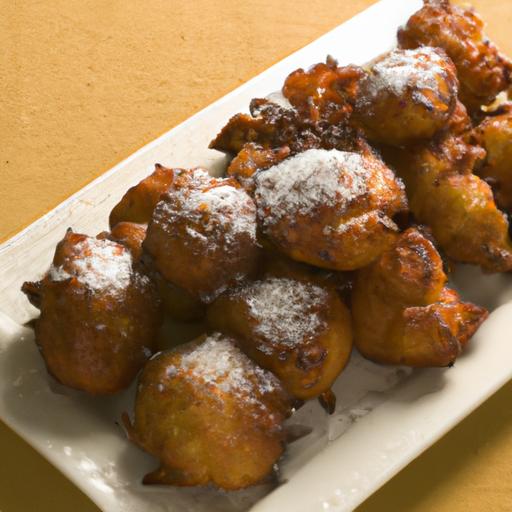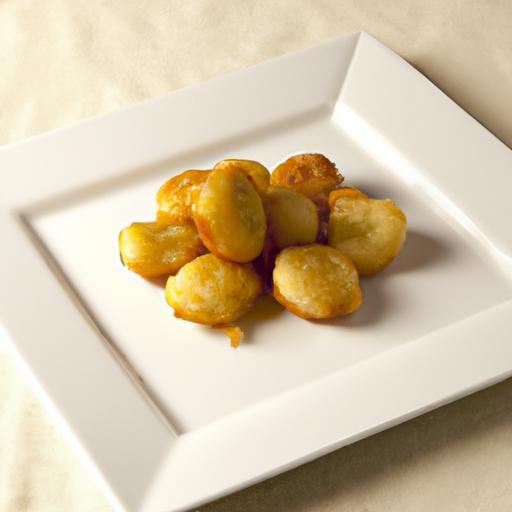
Nestled within the rich tapestry of Croatian culinary heritage lies a tiny treat that captures the essence of party, community, and timeless flavour: the fritule. These golden,bite-sized fritters are more than just a sweet indulgence-thay are a tasty link to CroatiaS festive traditions,evoking images of bustling holiday markets and family gatherings filled with laughter and the irresistible aroma of warm,spiced dough frying to perfection. In this article, we’ll uncover the story behind Croatian fritule, exploring thier cultural roots, unique ingredients, and the simple joy they bring to tables across the Adriatic coast and beyond. Prepare to embark on a flavorful journey that turns humble ingredients into delightful bites of history and heart.
Origins and Cultural Significance of Croatian fritule
Croatian fritule embody centuries of festive tradition and culinary heritage, cherished especially during the holiday season along croatia’s Adriatic coast. These small, fluffy fritters are more than just a sweet treat; they represent warmth, family gatherings, and the celebration of life’s simple joys. Originating from Dalmatia, Fritule have roots tracing back to Mediterranean influences, blending Venetian and Slavic culinary customs. Historically, these delightful bites were prepared to welcome guests during Christmas festivities and special occasions, symbolizing hospitality and abundance.
Watching a Croatian grandmother gently fold each fritule batter, then carefully frying the golden orbs until perfectly crisp, offers a glimpse into the past-a delicious ritual that connects generations. The aroma of citrus zest and raisins mingling in the frying pan evokes nostalgic memories, making Croatian Fritule an edible emblem of cultural pride and familial love.
Mastering the Art of Conventional Fritule Preparation
To truly master traditional Croatian Fritule preparation, one must focus on the texture and balance of flavors. The batter should be light yet slightly dense, allowing the fritters to puff up beautifully while retaining a tender crumb inside. Achieving the signature golden crust requires carefully managed oil temperature-too hot, and the fritters burn on the outside but remain raw inside; too cool, and they absorb excess oil, losing their crisp charm.
Incorporating classic ingredients like citrus zest and raisins adds depth and sweetness without overpowering the delicate dough base. A hint of rum or citrus liqueur often finds it’s way into traditional recipes, enhancing aroma without adding alcohol content, making the fritule irresistible for all ages.
Prep and Cook Time
- Preparation: 15 minutes
- Resting the batter: 30 minutes
- Cooking: 20 minutes
- Total time: 1 hour 5 minutes
Yield
Makes approximately 30 small fritule (serves 6)
Difficulty Level
medium - Requires attention to frying temperature and batter consistency
Ingredients
- 1 cup all-purpose flour, sifted
- 2 large eggs
- 1/2 cup milk, lukewarm
- 2 tablespoons granulated sugar
- 1/4 cup raisins, soaked in warm water for 10 minutes and drained
- 1 teaspoon baking powder
- Zest of 1 lemon and 1 orange
- 1 teaspoon vanilla extract
- 1 tablespoon vegetable oil (plus more for frying)
- Powdered sugar, for dusting
Instructions
- Prepare the batter: In a medium bowl, whisk together the eggs and sugar until light and creamy. Add the lukewarm milk, vanilla extract, and vegetable oil. Mix thoroughly.
- Combine dry ingredients: in a separate bowl,sift the flour and baking powder. Gradually fold the dry mix into the wet ingredients using a spatula until smooth and free of lumps.
- Add zest and raisins: Gently fold in the lemon and orange zest along with the drained raisins, ensuring even distribution without overmixing.
- Let the batter rest: Cover the bowl with a clean kitchen towel or plastic wrap. Allow the batter to rest for 30 minutes to activate the baking powder and develop flavors.
- Heat the oil: In a heavy-bottomed pan or deep fryer, heat vegetable oil to 350°F (175°C). Test by dropping a small amount of batter – it should sizzle and rise to the surface quickly.
- Fry fritule: Using two teaspoons or a small scoop, carefully drop spoonfuls of batter into the hot oil. Fry in batches, avoiding overcrowding.
- Cook evenly: Fry each fritula for 2-3 minutes, turning occasionally with a slotted spoon until the fritule are golden brown and puffed.
- Drain: Remove fritule with a slotted spoon and place on paper towels to absorb excess oil.
- Serve: Dust generously with powdered sugar while still warm.
Tips for Success
- Temperature is key: Maintain oil at a steady 350°F for even cooking and to prevent soggy fritule.
- Resting the batter: Don’t skip resting; it helps the fritule achieve their iconic fluffiness and helps the batter thicken slightly.
- Raisin substitute: For variety, try chopped dried figs or currants rather of raisins.
- Make-ahead: Batter can be prepared in advance and refrigerated for up to 24 hours; gently stir before frying.
- Oil choice: Use neutral-flavored vegetable or sunflower oil for best frying results.
Flavor Variations and Modern Twists on Classic Fritule
Croatian Fritule continue to enchant palates with creative reinterpretations while respecting tradition. Modern adaptations frequently enough incorporate complementary spices such as cinnamon or nutmeg, enhancing warmth and aromatic depth. Some recipes introduce finely chopped nuts like walnuts or almonds for texture contrast, while others infuse the batter with a splash of orange blossom water to evoke Mediterranean flair.
For a fresh twist, combine the classic batter with a dollop of Greek yogurt, producing an even softer crumb and gentle tang. Adding frozen berries into the batter before frying can infuse each bite with succulent bursts of flavor and eye-catching color, perfect for Instagram-worthy festive displays.
Those seeking healthier alternatives might bake miniature fritule rather of frying, resulting in a lighter but still delightful treat. While not part of traditional Croatian cooking, inventive chefs pair these fritule with naturally sweetened fruit compotes or a homemade honey drizzle, lending a modern sophistication to each bite.
Serving Suggestions and Pairing croatian Fritule for Festive Occasions
These golden Croatian Fritule are best served warm, fresh from the pan, dusted generously with powdered sugar, or drizzled lightly with local honey. For a festive table, arrange fritule alongside bowls of seasonal fresh fruit, such as pomegranate arils or mandarin slices, which add radiant bursts of color and acidity that contrast the sweet, rich fritters.
Pairing fritule with a cup of robust black tea, spiced herbal infusions like cinnamon and clove, or a creamy hot chocolate creates an irresistible holiday atmosphere. For adult gatherings, try serving alongside fruit-infused sparkling waters or non-alcoholic citrus punches to complement the citrus zest and keep the flavors bright.
garnish with delicate sprigs of fresh mint or a sprinkle of toasted coconut flakes for a modern, elegant touch. A side of homemade fruit preserves or apricot jam transforms the fritule experience into a multi-dimensional indulgence,perfect for festive breakfasts,afternoon gatherings,or celebratory desserts.

| nutrition per Serving | Calories | protein | Carbs | Fat |
|---|---|---|---|---|
| 3 Fritule | 210 kcal | 4 g | 28 g | 8 g |
For a deeper dive into Croatian culinary delights, explore our article on Dalmatian Dessert Traditions, or visit the Encyclopaedia Britannica on Croatian cuisine for historical context and cultural insights.
Q&A
Q&A: Croatian Fritule – Delightful Bites of Tradition and Flavor
Q1: What exactly are Croatian fritule?
A1: Croatian fritule are small,fluffy,deep-fried dough balls frequently enough enjoyed as a festive treat. Lightly sweet and bursting with warm spices, they’re a beloved traditional snack that carries the cozy essence of Croatian heritage in every bite.
Q2: Where do fritule originate from?
A2: Fritule hail from croatia’s coastal regions, particularly Dalmatia and Istria, where they have been a holiday staple for centuries. Their comforting aroma signals celebration, family gatherings, and the joy of sharing simple yet flavorful food.Q3: How are fritule traditionally prepared?
A3: The dough usually includes flour, eggs, sugar, a splash of rum or citrus zest for aroma, and a touch of baking powder for that irresistible fluffiness. Once mixed, the batter is scooped into hot oil and fried until golden brown, then dusted generously with powdered sugar.
Q4: What gives fritule their distinctive flavor?
A4: The magic lies in subtle ingredients like lemon or orange zest and a hint of vanilla or cinnamon. These fragrant additions elevate the sweet dough and harmonize perfectly with the crisp, caramelized exterior.
Q5: Are there variations of fritule across Croatia?
A5: absolutely! Some regions add raisins soaked in rum or citrus juice, while others might fold in finely chopped nuts or even a touch of honey. Each family often has its own secret twist passed down thru generations.Q6: When are fritule typically enjoyed?
A6: Fritule are most commonly savored during holiday seasons such as Christmas and New Year’s Eve. However, their charm makes them an anytime treat – from festive fairs to cozy afternoon tea sessions.
Q7: Can fritule be made gluten-free or vegan?
A7: Yes! With creative substitutions, fritule can be adapted to various dietary needs. For gluten-free versions, using alternative flours like almond or rice flour works well. Vegan fritule can be crafted by replacing eggs with flaxseed or chia gel and using plant-based milk.
Q8: How do fritule compare to similar treats in other cultures?
A8: While many cultures boast their own donuts or fritters, Croatian fritule stand out with their delicate balance of citrus zest and rum aroma, plus their petite, bite-sized form that invites sharing and conviviality.
Q9: What’s the best way to serve fritule?
A9: Freshly fried and dusted with powdered sugar is the classic way. Some enjoy pairing them with a side of honey, fruit preserves, or a sprinkle of cinnamon sugar to elevate the experience.
Q10: why have fritule remained so popular over the years?
A10: Beyond their delicious taste, fritule embody a sense of tradition, family, and celebration. They’re a bite-sized memory of Croatian culture, bringing warmth to gatherings and delighting palates of all ages.
Croatian fritule are more than just a sweet snack-they’re edible history wrapped in golden perfection, inviting you to taste a piece of Croatian soul with every bite.
in summary
From their golden, bite-sized form to their fragrant hints of citrus and spice, Croatian fritule embody more than just a sweet treat-they carry centuries of tradition folded into every crispy edge. Whether enjoyed during festive gatherings or as a simple everyday indulgence, these delightful fritters invite us to savor a taste of Croatia’s rich cultural tapestry. So next time you crave a pastry that blends history, flavor, and heartfelt celebration, look no further than Croatian fritule-a small but powerful reminder that some of life’s greatest joys come in the most delightful bites.