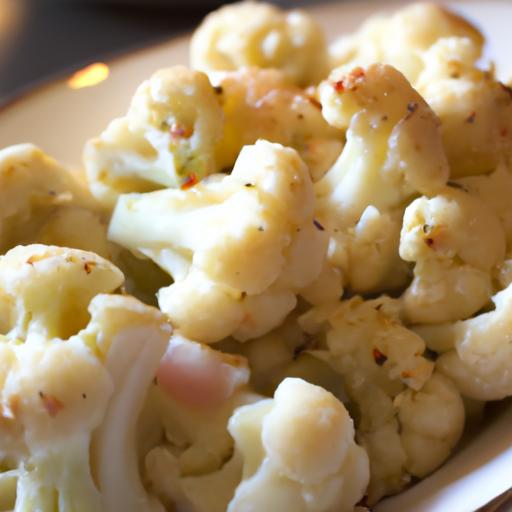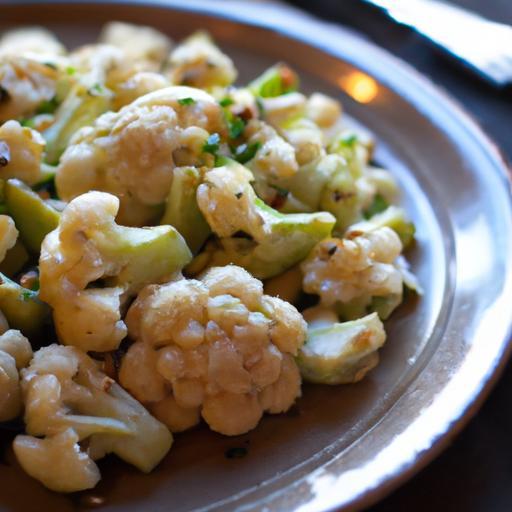
versatile, vibrant, and unbelievably satisfying-cauliflower has stepped into the spotlight as a superstar ingredient for plant-based cooking. Whether you’re a seasoned vegan or simply looking to add more wholesome options to your meals, cauliflower’s mild flavor and adaptable texture make it a canvas for culinary creativity. In this article, we’ll explore a collection of delicious vegan cauliflower recipes that promise to elevate your menu, turning humble florets into mouthwatering dishes that delight both the eyes and the palate. get ready to discover new ways to savor this cruciferous wonder, from crispy bites to creamy stews, and everything in between.
Delicious Vegan Cauliflower recipes to Elevate Your Menu offer a world of culinary possibilities, turning the humble cauliflower into a star ingredient that’s as versatile as it is nutritious. From crisp, golden cauliflower steaks infused with smoky spices to creamy buffalo-style bites that pack a punch, these dishes bring bold flavors and textures to any plant-based table. Whether you’re preparing a weekday dinner or impressing guests with an inventive appetizer, cauliflower’s adaptability shines in ways that transform every meal into a memorable experience.
Prep and Cook Time
- Preparation: 15 minutes
- Cooking: 25 minutes
- Total Time: 40 minutes
yield
Serves 4 generous portions
Difficulty Level
Easy to Medium – no advanced techniques required, perfect for any home cook eager to explore plant-based options.
Ingredients
- 1 large head cauliflower,trimmed and cut into thick florets or ¾-inch steaks
- 3 tbsp olive oil,divided
- 2 tsp smoked paprika
- 1 tsp turmeric powder
- 1 tsp garlic powder
- 1 tsp sea salt
- ½ tsp freshly ground black pepper
- 1 tbsp lemon juice
- 2 tbsp nutritional yeast (optional,for a cheesy umami twist)
- Fresh parsley or cilantro,finely chopped for garnish
- 1 tsp chili flakes (optional,for heat)
Instructions
- Preheat the oven to 425°F (220°C). Line a baking sheet with parchment paper for easy cleanup and even cooking.
- Prepare the cauliflower: Pat dry the cauliflower florets or steaks to remove excess moisture. This step helps achieve a beautifully roasted,caramelized exterior.
- Make the marinade: In a small bowl, whisk together 2 tbsp olive oil, smoked paprika, turmeric, garlic powder, sea salt, black pepper, and lemon juice until smooth.
- Toss the cauliflower thoroughly in the marinade, ensuring each piece is generously coated. Lay the pieces out evenly on the baking sheet without overcrowding.
- Roast for 20 minutes, flipping halfway through to brown both sides.Look for a golden crust with hints of caramelization-this depth of color unlocks flavor.
- Optional: Sprinkle nutritional yeast over the cauliflower immediately after baking for an extra layer of savory notes.
- While baking,heat the remaining 1 tbsp olive oil in a small pan over medium heat. Add chili flakes for 1 minute to infuse the oil with spice, then drizzle over the finished cauliflower.
- Garnish with freshly chopped parsley or cilantro before serving for a fresh, herbaceous accent.
Tips for Success
- Choose firm cauliflowers with tightly packed florets for the best texture.
- Pat cauliflower dry to avoid steaming instead of roasting.
- Adjust spices according to preference-smoked paprika provides warmth and a subtle smokiness, while turmeric adds earthiness and vibrant color.
- For a creamier variation, serve with a drizzle of cashew cream or tahini sauce to balance the spices beautifully.
- Make-ahead tip: Roast cauliflower can be refrigerated for up to 3 days and quickly reheated in a hot oven or air fryer to regain crispness.
serving Suggestions
Present your cauliflower dishes atop a bed of fluffy quinoa or brown rice to add hearty whole grains to your plate. They make an impressive side to smoky grilled vegetables or a vibrant salad featuring roasted beets and citrus segments. For entertaining, serve as finger foods alongside dips like avocado lime crema or spicy harissa for contrast. Garnish with toasted sesame seeds or a sprinkle of fresh herbs to add texture and visual appeal. These beatiful, deeply flavored bites will spark conversation and delight every guest at your table.

Nutritional Benefits of Cauliflower
Cauliflower’s reputation as a superfood is well earned-it’s low in calories yet rich in vitamins and minerals like vitamin C, vitamin K, folate, and fiber. This cruciferous vegetable contains antioxidants that support immune health and reduce inflammation. To maximize these benefits, lightly roasting retains nutrients better than boiling and enhances natural sweetness, making it both healthful and delicious. Pairing cauliflower with a healthy fat source such as olive oil or nuts not only improves absorption of fat-soluble vitamins but also elevates flavor.
| Nutrient | Per 1 cup (100g) | % Daily Value* |
|---|---|---|
| Calories | 25 | 1% |
| protein | 2 g | 4% |
| Carbohydrates | 5 g | 2% |
| Dietary Fiber | 2 g | 8% |
| Fat | 0.3 g | 0% |
| Vitamin C | 48 mg | 80% |
| Vitamin K | 16 mcg | 20% |
| Folate | 57 mcg | 14% |
*Percent Daily Values are based on a 2,000 calorie diet.
Creative Tips for Incorporating Cauliflower into Everyday Meals
- Cauliflower rice: Pulse florets in a food processor to create a low-carb, versatile base for stir-fries or grains.
- Cauliflower mash: Steam and blend with garlic and plant-based milk for a creamy mashed potato alternative.
- Buffalo cauliflower: Coat florets in spicy hot sauce and bake for a delicious vegan wing substitute.
- Cauliflower “tacos”: roast with cumin and chipotle, then serve in tortillas with avocado and slaw.
- Soups and curries: Use cauliflower as a thickener, offering body and nutrition without heaviness.
For more creative vegan ideas and plant-based inspiration, check out our collection of vegan dinner recipes.
Explore the science behind cauliflower’s health benefits at Medical News Today.
Q&A
Q&A: Delicious Vegan Cauliflower Recipes to Elevate Your Menu
Q1: Why is cauliflower such a popular choice for vegan cooking?
A: cauliflower’s mild flavor and versatile texture make it a superstar in vegan cuisine. It can be roasted, steamed, mashed, grilled, or even transformed into rice or “wings,” allowing cooks to create a wide range of dishes from hearty mains to light snacks. Plus, it’s nutrient-dense and low in calories, making it both delicious and health-conscious.
Q2: What are some creative ways to use cauliflower in vegan recipes?
A: Think beyond the typical roasted florets! Try cauliflower “steaks” grilled with bold spices, cauliflower buffalo bites with a spicy batter, or creamy cauliflower alfredo sauce replacing dairy. You can also pulse cauliflower into tiny rice-like grains for stir-fries or use its creamy texture to make dairy-free soups and dips.
Q3: How can cauliflower be made more flavorful without using animal products?
A: use layers of plant-based seasonings and techniques like roasting to deepen flavor. Marinate cauliflower in blends of garlic, smoked paprika, nutritional yeast, lemon juice, and herbs for punch. Incorporate umami-rich ingredients like miso, tamari, sun-dried tomatoes, mushrooms, or roasted nuts to create complexity that satisfies the palate.Q4: Are there any simple vegan cauliflower recipes great for beginners?
A: Absolutely! Roasted cauliflower with olive oil, garlic, and a sprinkle of sea salt is a foolproof way to enjoy it. Another easy option is cauliflower rice sautéed with veggies and tamari for a quick stir-fry. For something fun, try cauliflower popcorn: small florets tossed in nutritional yeast and a pinch of cayenne, then baked till crispy.
Q5: Can cauliflower be used as a meat substitute in vegan dishes?
A: Yes! Cauliflower’s texture works wonderfully as a base for dishes like “buffalo wings” or vegan “steaks.” When seasoned and cooked properly, it provides a satisfying bite that can replace meat in many recipes. It also absorbs sauces and marinades well, making it a flavorful focal point that’s both hearty and wholesome.
Q6: What are some nutritious benefits of including cauliflower in a vegan diet?
A: Cauliflower is packed with vitamins C and K, fiber, antioxidants, and phytonutrients that support overall health. Its low-carb profile makes it ideal for balanced meals, and its anti-inflammatory compounds contribute to wellness. Incorporating cauliflower regularly can help keep your diet vibrant and nutrient-rich.
Q7: How do you ensure the perfect texture when cooking cauliflower in vegan dishes?
A: Timing and cooking method are key.Roasting at high heat brings out crispness and caramelization, while steaming preserves tenderness. For creamy dishes,simmer cauliflower until very soft before blending for a smooth consistency. Avoid overcooking to prevent mushiness-experiment to find the texture that best suits your recipe.
Q8: What are some international influences that inspire vegan cauliflower recipes?
A: Cauliflower features prominently in global cuisines. Indian dishes like cauliflower curry and aloo gobi showcase bold spices, while Mediterranean recipes might highlight it with lemon, garlic, and herbs. East Asian stir-fries use cauliflower rice to great effect, and middle Eastern cuisine often pairs it with tahini and sumac. These diverse flavors help keep your menu exciting and creative.
Q9: Can cauliflower be frozen for later use in vegan recipes?
A: Yes, cauliflower freezes well when prepared properly. Blanch florets briefly before freezing to retain texture and nutrients.Frozen cauliflower rice is especially convenient for quick meals. Just thaw and cook directly from frozen for an easy addition to your cooking routine without sacrificing quality.
Q10: What kitchen tools are helpful for preparing cauliflower dishes?
A: A sharp chef’s knife or vegetable cleaver makes cutting cauliflower into steaks or florets easy. A food processor is handy for making cauliflower rice or blends for sauces.Roasting pans, high-quality baking sheets, and a good skillet enhance cooking versatility. For creamy purees, a blender or immersion blender can smooth out textures perfectly.
With these insights,your journey to mastering vegan cauliflower dishes is sure to be flavorful,fun,and fabulously creative!
To Conclude
As you’ve seen,cauliflower isn’t just a humble vegetable-it’s a versatile canvas ready to transform your meals into culinary adventures. Whether roasted to crispy perfection, blended into creamy sauces, or seasoned with bold spices, these delicious vegan cauliflower recipes open up a world of flavors that can elevate any menu. Embrace the magic of this cruciferous superstar,and let your kitchen become a playground where nutritious meets irresistible. So, next time you’re planning a meal, remember: cauliflower isn’t just an ingredient-it’s the delicious secret to your next unforgettable dish.