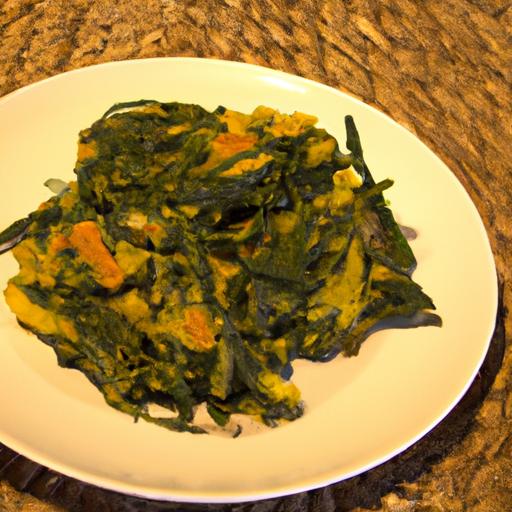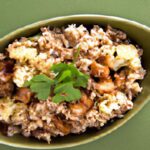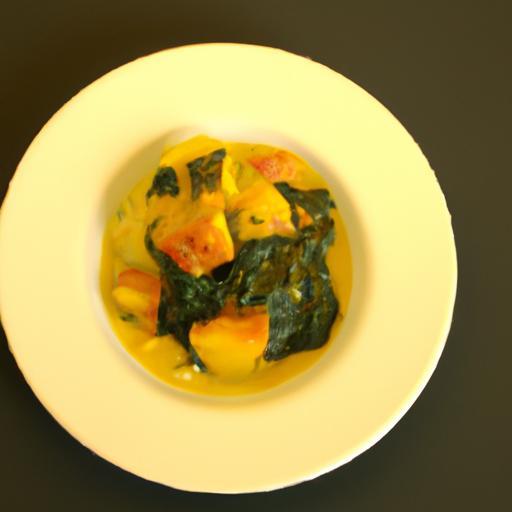
Embark on a vibrant culinary journey across the diverse landscapes of africa, where tradition and innovation blend to create an array of unforgettable dairy-free delights.From the sun-soaked savannas to bustling city markets, African cuisine offers a treasure trove of rich, flavorful recipes that celebrate natural ingredients and time-honored techniques-without relying on dairy. Whether you’re seeking wholesome comfort foods, zesty snacks, or indulgent sweets, discovering African dairy-free recipes opens a door to bold tastes and nutritious options that honor both heritage and health. Let’s explore these captivating dishes that prove that richness in flavor doesn’t have to come from dairy.
Discover the rich flavors of African dairy-free recipes by immersing yourself in the vibrant world of indigenous ingredients that have graced kitchens across the continent for centuries. From the nutty depths of groundnuts to the creamy richness of coconut milk alternatives, these dishes tell stories of heritage, community, and culinary ingenuity that embrace natural, plant-based goodness.
Prep and Cook Time
- preparation Time: 20 minutes
- Cooking Time: 40 minutes
yield
- Servings: 4 generous portions
Difficulty Level
- Medium – approachable for adventurous home cooks
Ingredients
- 1 cup cooked black-eyed peas,drained and rinsed
- 2 tablespoons red palm oil,known for its earthy aroma and vibrant color
- 1 large onion,finely chopped
- 3 cloves garlic,minced
- 1 inch fresh ginger,grated
- 2 medium tomatoes,diced
- 1 cup unsweetened coconut milk,a silky plant-based dairy substitute
- 1 teaspoon smoked paprika for depth
- 1 teaspoon ground coriander
- ½ teaspoon cayenne pepper (optional,for a spicy kick)
- Salt to taste
- Fresh cilantro or parsley for garnish
- 2 cups cooked millet or rice,to serve
Instructions
- Heat the red palm oil in a deep skillet over medium heat until shimmering. This oil is a cornerstone of many African dairy-free recipes, imparting a rich color and unique flavor.
- Add the chopped onion, sauté for about 5 minutes until translucent and lightly golden, stirring frequently to develop sweetness.
- Stir in minced garlic and grated ginger and cook for 1-2 minutes until fragrant, releasing warm, aromatic notes.
- Add diced tomatoes and cook for 8-10 minutes, allowing them to break down and create a luscious sauce base.
- Sprinkle in smoked paprika, ground coriander, and cayenne pepper, mixing well to coat the tomato mixture with spices.
- Fold in the cooked black-eyed peas, stirring gently to heat through evenly.
- Pour in the coconut milk, reduce heat to low, and simmer for 15 minutes. The creamy coconut milk beautifully replaces conventional dairy, creating a smooth, savory finish without overpowering the dish.
- Season with salt to your preference, tasting frequently to balance the flavors.
- Remove from heat and let the dish rest for 5 minutes before serving to allow the flavors to meld.
Tips for Success
- Red palm oil alternatives: If unavailable, use light olive oil with a few drops of annatto oil or paprika for color.
- Beans variations: Try chickpeas or lentils for different textures while keeping it authentically African.
- Make-ahead magic: Prepare the base sauce a day ahead.Flavors deepen overnight, making it even more flavorful when reheated.
- Coconut milk: Use full-fat canned for richness or homemade for the purest taste.
- Adjust spice levels to suit your palate, but don’t shy away from the warmth of cayenne-it elevates traditional notes wonderfully.
Serving Suggestions
Present this hearty dish atop a bed of fluffy millet or fragrant rice to soak up every drop of the coconut-infused sauce. Garnish generously with chopped fresh cilantro or parsley for a pop of color and fresh herbal brightness. Complement with a side of sautéed greens like kale or cassava leaves to honor the balanced nutrition often found in African meals.
| Nutrient | per Serving |
|---|---|
| Calories | 350 kcal |
| Protein | 12 g |
| Carbohydrates | 45 g |
| Fat | 12 g |

To deepen your culinary journey into plant-based African cooking, check out our collection of vegan African stews. For authentic ingredient sourcing and cultural background, visit Africa.com – Food & Culture.
Q&A
Q&A: Discover the Rich Flavors of African Dairy-Free Recipes
Q1: What makes African dairy-free recipes unique compared to other cuisines?
A1: african dairy-free recipes are a vibrant tapestry of bold spices, fresh herbs, and natural ingredients. Many regions rely on coconut milk, nuts, seeds, and grains to create creamy textures without dairy. The use of indigenous plants and traditional cooking techniques adds layers of flavor that celebrate the continent’s diverse ecosystems and cultural heritage.
Q2: which African ingredients are commonly used to replace dairy in traditional dishes?
A2: Coconut milk is widely used in East African coastal cuisine to lend richness to stews and soups. Groundnuts (peanuts) provide a nutty creaminess in West African sauces. Ingredients like cassava, plantains, and millet not only function as staples but also contribute thickness and body in dairy-free meals. Okra and baobab powder add unique textures and nutritional value without dairy.
Q3: Can you give an example of a popular African dairy-free dish?
A3: One beloved example is West Africa’s peanut stew,frequently enough made with tomatoes,onions,garlic,and a generous amount of groundnuts,simmered to perfection. This dish is naturally dairy-free, deeply satisfying, and pairs wonderfully with rice or fufu, a starchy side made from cassava or yams.
Q4: How do African cooks achieve creamy textures in dairy-free recipes?
A4: creaminess is often derived from pureed nuts or seeds, such as cashews or sesame (tahini), which blend seamlessly into sauces and soups. Coconut milk is a luscious base in many coastal dishes. Additionally, slow cooking methods break down root vegetables and legumes, creating naturally smooth, creamy consistencies without any dairy.
Q5: Are African dairy-free recipes suitable for allergy-sensitive diets?
A5: Many African dairy-free recipes are naturally free from common allergens like gluten and soy, but nuts are frequently used, so caution is needed if you have nut allergies. Always check ingredient lists carefully. The continent’s culinary diversity means there are numerous options that cater to various dietary needs, including grain-based porridges and vegetable stews.
Q6: How can someone incorporate African dairy-free recipes into their everyday cooking?
A6: Start with simple dishes like spicy lentil stews or couscous salads flavored with fresh herbs and citrus. Experiment with pantry staples such as millet, sorghum, and plantains. Use traditional spice blends like berbere or harissa to add depth, and don’t shy away from trying fermented foods like injera-a tangy, gluten-free flatbread made from teff-which pairs beautifully with vegetable-rich dishes.
Q7: What cultural values are reflected in African dairy-free cooking?
A7: African dairy-free cooking embodies community, sustainability, and respect for the land. Many recipes are designed to share, emphasizing nourishment and togetherness. The use of local, seasonal ingredients also highlights a deep connection to the environment, fostering meals that are both flavorful and mindful of nature’s bounty.
Q8: How does exploring African dairy-free recipes enrich one’s culinary knowledge?
A8: Diving into African dairy-free cooking expands your palate with unexpected flavor combinations and cooking methods. It highlights a different perspective on creating satisfying dishes without dairy, encouraging creativity with plant-based ingredients. This journey also opens up appreciation for Africa’s rich food histories and the ways in which food can unite people across cultures.
Discovering African dairy-free flavors is more than a culinary adventure-it’s an invitation to taste tradition through innovation,celebrating a continent’s endless creativity without dairy.
to sum up
Embarking on a culinary journey through African dairy-free recipes opens a vibrant world where rich flavors and wholesome ingredients dance together in harmony. From tangy fermented delights to creamy coconut-infused stews,these dishes invite us to savor tradition while embracing dietary needs with creativity and heart. as you explore these diverse flavors, may you not only delight your palate but also deepen your appreciation for the rich cultural tapestry that makes African cuisine truly unforgettable.So go ahead-let your taste buds wander, and discover the nourishing magic hidden within each dairy-free bite.