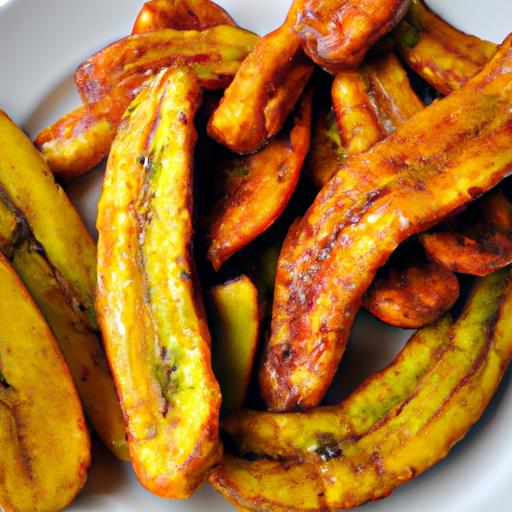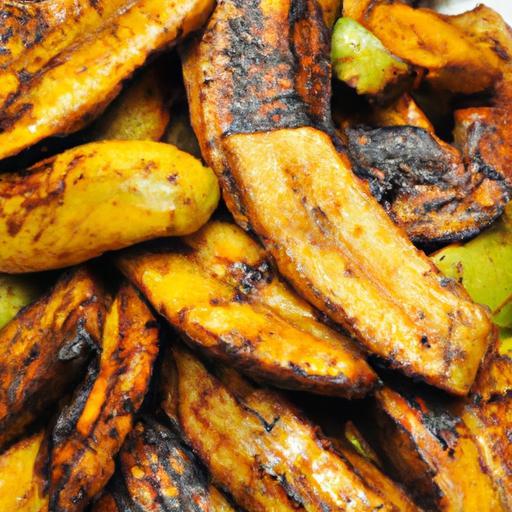
Golden-hued, delectably crispy, and bursting with a harmony of sweet and savory notes, Dodo is more than just a beloved Nigerian street snack-itS a culinary icon that tells a story of culture, tradition, and the simple joys of home cooking. This article takes you on a flavorful journey into the world of Dodo, exploring the art and science behind Nigeria’s fried plantains. from selecting the perfect ripe fruit to mastering frying techniques that deliver that irresistible caramelized crust, discover why this humble dish delights palates across generations and borders alike. Whether you’re a seasoned foodie or a curious newcomer, join us as we unravel the layers of taste and heritage wrapped in every bite of Dodo delight.
The Cultural Significance of Dodo in Nigerian Cuisine
Dodo Delight is more than just a simple dish of fried plantains; it embodies a rich cultural legacy deeply woven into the fabric of Nigerian food traditions. Originating from the Yoruba people, dodo has transcended generations and regions, serving as a beloved staple at family gatherings, street hawker stands, and festive celebrations alike. Each golden slice tells a story of community, warmth, and shared moments over a crisp, sweet bite. For many Nigerians, dodo offers both comfort and nostalgia-the irresistible aroma of caramelizing plantains is a sensory invitation to the heart of the kitchen.
Across Nigeria’s diverse culinary landscape, dodo’s versatility shines. It can be savored as a sweet snack or paired with hearty staples like jollof rice or beans porridge. This duality plays a pivotal role in how dodo uniquely balances sweetness with savory, reflecting the harmonious contrasts celebrated in Nigerian cuisine. Appreciating dodo is an exploration into how food can evoke cultural identity, history, and pure deliciousness, all in one crispy, golden dish.
Mastering the Art of Perfectly Fried Plantains
Perfectly fried plantains come down to mastering precise timing and temperature. Start with ripe yellow plantains speckled with black spots-the ideal balance for sweetness and texture. peel and slice to uniform thickness (about 1/2 inch) to ensure even frying. using vegetable oil heated to 350°F will guarantee a crisp exterior without sogginess.Avoid overcrowding the pan so each dodo piece fries uniformly.
Watch closely as the edges toast to a deep amber, turning halfway through to develop that signature crunch. The oil’s gentle sizzle is your ally here; it means the plantains are caramelizing to golden perfection. If your dodo isn’t browning evenly, adjust the heat slightly or fry in smaller batches. The goal is that crisp exterior encasing a tender, melt-in-your-mouth interior bursting with natural sugars.
Prep and Cook Time
- prep Time: 10 minutes
- Cook Time: 15 minutes
- Total Time: 25 minutes
yield
Serves 4 as a snack or side dish
Difficulty Level
Easy – Perfect for beginner cooks and seasoned chefs alike
Ingredients
- 4 large ripe plantains (yellow with black spots), peeled and sliced diagonally, about 1/2-inch thick
- 1 1/2 cups vegetable oil (for frying)
- 1/2 teaspoon salt (adjust to taste)
- Optional: pinch of cayenne pepper or ground ginger for a spicy kick
- optional garnish: finely chopped fresh parsley or toasted sesame seeds
Instructions
- Prep the plantains: Peel the plantains carefully, slicing each into consistent diagonal pieces about 1/2 inch thick for uniform cooking.
- Heat the oil: In a heavy-bottomed skillet or cast-iron pan, warm the vegetable oil over medium heat to 350°F (175°C).Use a thermometer for accuracy.
- Test the oil: Drop one plantain slice; it should sizzle immediately but not smoke.
- Fry in batches: Add plantain slices in a single layer, avoiding overcrowding. Fry for 3-4 minutes per side until golden brown and caramelized.
- Flip and monitor: Use tongs to turn each slice carefully to ensure even browning without tearing.
- Drain excess oil: Transfer fried plantains to a paper towel-lined plate to absorb any residual oil. Sprinkle immediately with salt and optional spices.
- Repeat: Continue frying until all slices are cooked, adjusting heat to prevent burning.
- Serve warm: Garnish with fresh parsley or sesame seeds if desired,for color and texture contrast.
Chef’s Notes: Tips for Success
- Ripe plantains are key: Too green and they’ll be starchy; too ripe, overly soft. Look for a vibrant yellow with a few black spots.
- Oil temperature matters: If the oil is too hot, plantains burn outside but stay raw inside; too low, and they absorb excess oil.
- Vegan-amiable choice: vegetable oil ensures this dish suits most dietary preferences.
- Make-ahead option: Keep fried plantains warm in a low oven (200°F/90°C) on a wire rack to maintain crispness.
- Flavor variations: For a savory twist, sprinkle with smoked paprika or curry powder before serving.
Serving Suggestions
Fried plantains shine as a standalone snack or a vibrant side. Pair your dodo with Nigerian staples like jollof rice or beans stew for an authentic experience. For a sweet note, serve alongside honey-drizzled Greek yogurt or a fresh tropical fruit salad. Garnishing with chopped herbs or a squeeze of lime juice adds freshness and brightness, elevating this humble dish to an irresistible delight.

Nutritional Facts (per serving)
| Calories | Protein | Carbs | Fat |
|---|---|---|---|
| 220 | 1g | 36g | 8g |
For those interested in the deeper nutritional science of plantains and their health benefits, the National Library of Medicine offers an insightful overview.
Q&A
Q&A: Dodo Delight – Exploring Nigeria’s Sweet and Savory Fried Plantains
Q1: What exactly is Dodo, and why is it so beloved in Nigerian cuisine?
A1: Dodo is the affectionate nigerian name for fried plantains-a simple yet magical dish where ripe or semi-ripe plantains are sliced and fried until golden, caramelized, and irresistibly crispy on the edges. It’s beloved as it perfectly balances natural sweetness with a savory crunch,offering a comforting snack or accompaniment that transcends age and occasion. Dodo embodies the warmth and vibrancy of Nigerian culinary tradition in every bite.
Q2: How do sweet and savory styles of Dodo differ in planning and flavor?
A2: The sweet style of dodo uses perfectly ripe plantains, whose sugars deepen through frying to create a luscious caramelized exterior. These sweet morsels often require no seasoning other than a pinch of salt to enhance the natural flavors. For savory Dodo, slightly less ripe plantains are preferred; they offer a firmer texture and less sugar content, lending themselves well to subtle seasoning with spices like black pepper, chili, and a pinch of salt to add a hint of heat and complexity. The duality allows Dodo to shine as either a dessert-like treat or a side dish with a savory flair.
Q3: What are some customary Nigerian dishes that Dodo commonly accompanies?
A3: dodo is a versatile sidekick on the Nigerian dining table. It pairs beautifully with dishes like Jollof rice, spicy stews (such as egusi or tomato-based vegetable stew), beans porridge, or even as a crunchy contrast to soft mashed yam or fufu. Its sweet-savory charm balances fiery,spicy mains,providing a welcome respite while elevating the overall meal experience.
Q4: Can Dodo be enjoyed on its own, or is it mostly a side dish?
A4: Absolutely! While Dodo frequently plays a supporting role, it’s equally delightful as a standalone snack. Whether as a quick bite on the street, a midday pick-me-up, or part of a festive spread, its simplicity and bold flavor make it an addictive treat all by itself. Add a sprinkle of chili powder or a drizzle of honey, and you have a snack that’s both nostalgic and exciting.Q5: Are there any tips for getting the perfect texture when frying plantains?
A5: Yes! To achieve that ideal balance between a crispy edge and a tender centre, ensure your oil is hot enough-around 350°F (175°C)-before adding the plantain slices. Fry in small batches to avoid overcrowding, which can lower the oil temperature and make the Dodo soggy. Also, choose plantains at the right ripeness depending on your desired sweetness or savory tone, and pat them dry before frying to minimize splattering and maximize crispiness.
Q6: How does Dodo reflect Nigerian culture and culinary heritage?
A6: Dodo is much more than fried plantains; it’s a cultural icon that represents resourcefulness, celebration, and comfort. Plantains grow abundantly across Nigeria, and the ability to transform this humble fruit into something so beloved speaks to the creativity and heart of nigerian cooks throughout generations. Sharing Dodo is sharing a story-of family gatherings,festive occasions,and the simple joys of home-cooked food that nourish both body and soul.
Q7: Can Dodo be incorporated into modern or fusion recipes?
A7: Definitely! Contemporary chefs and home cooks alike are reimagining Dodo in innovative ways-think plantain tacos,dodo-topped salads,or even sweet-savory fritters enhanced with herbs and spices. The dish’s versatility invites experimentation, making it a canvas for fusing Nigerian flavors with global culinary trends while still honoring its roots.
Q8: What plantains should one use for Dodo, and how do you no they’re ready?
A8: For sweet Dodo, look for plantains that have turned yellow with black spots-this indicates full ripeness and maximum sweetness. For a more savory version, choose plantains that are yellow but still firm and less spotted. The skin should feel taut but give slightly under gentle pressure. Avoid overly green plantains for frying as they tend to be starchy and less sweet, better suited for other preparations like boiling or mashing.
Embrace the Dodo delight-the golden embodiment of nigeria’s rich culinary tapestry, where sweet meets savory in perfect harmony, and every bite tells a story worth savoring.
Key Takeaways
As we conclude our flavorful journey through the world of Dodo, Nigeria’s beloved sweet and savory fried plantains, it’s clear that this humble dish is much more than a simple snack. Dodo captivates with its golden crispiness and rich, natural sweetness, offering a taste that reflects the vibrant culinary heritage of Nigeria. Whether enjoyed as a street food treat or a cherished side accompanying hearty meals, these fried plantains invite both locals and visitors alike to savor a piece of Nigerian culture in every bite. So next time you crave a dish that’s both comfort and delight, remember Dodo-a timeless treasure sizzling with history, flavor, and a touch of West African sunshine.