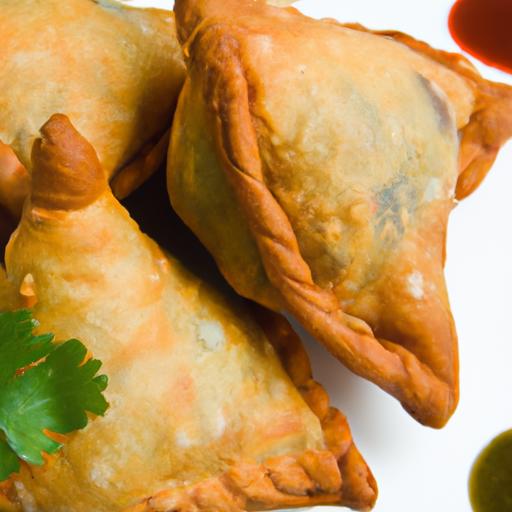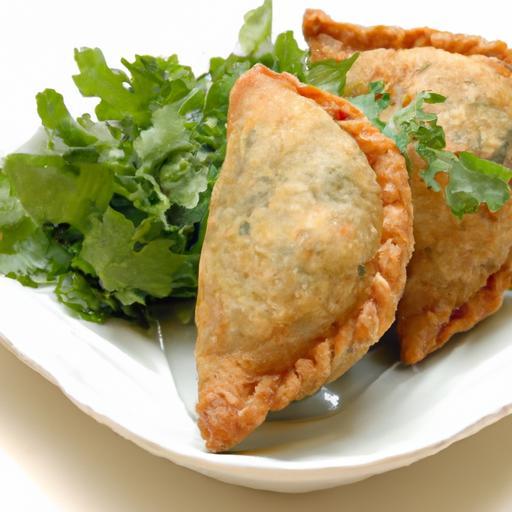
There’s something undeniably magical about the humble samosa-a golden, crispy pocket of goodness that awakens the senses with every bite. Among its many variations, the spicy vegetable samosa stands out as a vibrant celebration of bold flavors and aromatic spices, wrapped in a delicate, flaky crust. Whether you’re a seasoned foodie or a curious kitchen explorer, this guide will take you on a flavorful journey into the heart of spicy vegetable samosas. From selecting the freshest ingredients too mastering the art of seasoning and perfecting that irresistible crunch, prepare to unlock the secrets behind these beloved savory delights that have won hearts across the globe. Get ready to spice up your culinary repertoire with a dish that’s as rewarding to make as it is indeed to eat!
Flavorful Delights: A guide to Spicy Vegetable Samosas invites you on a culinary journey where the perfect balance of heat and spice bursts from each golden, crispy pocket. Originating from the vibrant kitchens of South Asia, samosas are beloved for their crunchy exterior and the soul-satisfying warmth of their spiced filling. My own first encounter with samosas was at a bustling street market, where the aroma of garam masala and fresh cilantro danced in the air-a memory that still inspires every time I craft these spicy vegetable treats in my kitchen.
Prep and Cook Time
- Readiness: 30 minutes
- Cooking: 25 minutes
- Total: 55 minutes
Yield
About 20 medium-sized samosas (serves 6-8)
Difficulty Level
Medium – Perfect for home cooks ready to enhance their technique but approachable enough to inspire confidence.
Ingredients
- For the Dough:
- 2 cups all-purpose flour, sifted
- 4 tbsp vegetable oil or melted ghee
- 1/2 tsp salt
- 1/2 cup warm water (adjust as needed)
- For the Spicy Vegetable Filling:
- 3 medium potatoes, peeled and diced
- 1 cup green peas, fresh or frozen
- 2 tbsp vegetable oil
- 1 tsp cumin seeds
- 1-inch piece of ginger, finely grated
- 2 green chilies, finely chopped (adjust to taste)
- 1 medium onion, finely chopped
- 1 tsp ground coriander
- 1 tsp garam masala
- 1/2 tsp turmeric powder
- 1/2 tsp red chili powder
- Salt to taste
- Fresh cilantro, finely chopped (1/4 cup)
- Juice of half a lemon
- For Frying:
- Vegetable oil, for deep frying
Instructions
- Prepare the dough: In a large mixing bowl, combine all-purpose flour and salt. Add the vegetable oil or melted ghee and rub it into the flour until the mixture looks crumbly. Gradually add warm water, stirring with your fingers to bring the dough together. Knead until smooth and elastic, about 6-8 minutes. cover with a damp cloth and rest for 30 minutes.
- Cook the filling: Boil diced potatoes in salted water until tender but firm, about 7-8 minutes.Drain and mash lightly; set aside.
- Sauté the spices and vegetables: Heat 2 tablespoons of oil in a skillet over medium heat. Add cumin seeds and let them splutter. Add finely chopped onions,green chilies,and grated ginger,sauté until onions turn translucent,about 5 minutes.
- Spice it up: Stir in turmeric, coriander powder, garam masala, and red chili powder.Cook for 1-2 minutes until fragrant.
- Add peas and potatoes: Toss in green peas and mashed potatoes. Mix well and cook for 5 minutes, stirring occasionally to blend the flavors.Add salt to taste and fresh cilantro. Finish with a squeeze of lemon juice for brightness. Remove from heat and let the filling cool.
- Shape the samosas: Divide the dough into golf-ball-sized portions. Roll each portion into an 8-inch circle on a lightly floured surface. Cut the circle in half. Take one half, form a cone shape by folding and sealing the straight edge with water using your fingers. Fill the cone with 2 tablespoons of the filling, then moisten and seal the open edge into a triangle. Ensure edges are tightly sealed to prevent cracking during frying.
- Fry to perfection: Heat vegetable oil in a deep pan to 350°F (175°C). Carefully drop samosas in batches, frying until they turn an irresistible golden brown and crisp, about 4-5 minutes. Maintain consistent oil temperature for even cooking. Use a slotted spoon to remove and drain on paper towels.
Chef’s Notes
- Balance the heat: Adjust green chilies and red chili powder depending on your spice preference. For milder flavors, deseed the chilies before chopping.
- Make-ahead: The filling can be prepared a day in advance and refrigerated. Gently reheat before stuffing.
- Crispier shell: Adding a tablespoon of semolina (sooji) to your dough can enhance crunchiness.
- Alternative cooking: For a healthier option, bake samosas at 400°F (200°C) on a lined baking tray for 20-25 minutes, turning halfway for even browning.
- Troubleshooting: If the dough cracks while shaping, it might be too dry-dip fingers in water and gently press cracks before filling.
Serving Suggestions
Serve samosas steaming hot, paired with tangy mint coriander chutney or a sweet tamarind sauce to complement the spicy vegetable filling. Garnish with fresh cilantro leaves and a dusting of chaat masala for a final zest. Pair with a refreshing glass of mango lassi or lightly spiced chai tea to complete the experience.
For an extra layer of texture, sprinkle crushed roasted peanuts or toasted cumin seeds on top before serving, inviting your guests to explore every bite’s warmth and crunch.

| Nutrient | Per Serving |
|---|---|
| Calories | 180 kcal |
| Protein | 4 g |
| Carbohydrates | 28 g |
| Fat | 6 g |
For more vibrant ideas on Indian snacks, explore our Guide to Indian Street Food. to deepen your understanding of spices and their health benefits, visit the Science of Spices blog by Spices Inc.
Q&A
Q&A: Flavorful Delights – A Guide to Spicy Vegetable Samosas
Q1: What makes vegetable samosas a beloved snack across different cultures?
A1: Vegetable samosas combine crispy, golden pastry with a vibrant, spiced vegetable filling, creating a perfect harmony of textures and flavors. Their portability, versatility, and rich spice profiles have made them a beloved snack from South Asia to global street food scenes, celebrated for both comfort and culinary adventure.
Q2: Which vegetables work best for the filling of spicy samosas?
A2: Classic vegetables like potatoes, peas, carrots, and green beans create a hearty base.Adding finely chopped cauliflower, corn, or spinach can introduce additional layers of texture and nutrition. The key is to use tender,well-cooked veggies that absorb the spices without becoming mushy.
Q3: How do spices transform the samosa filling?
A3: Spices such as cumin, coriander, turmeric, garam masala, and chilies infuse the vegetables with warmth and depth. A pinch of asafoetida or amchur (dried mango powder) can add intriguing umami and tang, while fresh herbs like cilantro brighten the overall flavor. The spices awaken the palate and balance the richness of the fried pastry.
Q4: Is it possible to enjoy samosas with a healthier twist?
A4: Absolutely! Baking samosas instead of deep-frying reduces oil content while maintaining crispness when done correctly. Using whole wheat or multigrain dough adds fiber. Also, incorporating steamed or sautéed vegetables keeps the filling light yet flavorful.
Q5: What are some creative accompaniments for spicy vegetable samosas?
A5: Traditional accompaniments like tangy tamarind chutney and cooling mint yogurt sauce beautifully complement the samosa’s heat. for a modern twist, you might try a zesty coriander-lime dip or a spiced mango salsa. These dips enhance the eating experience by contrasting and highlighting the samosa’s flavors.
Q6: How can beginners ensure their samosas don’t fall apart while frying?
A6: Perfect samosas hinge on well-sealed edges. Use a small amount of water or a flour paste to seal the dough folds firmly. Fry at the right oil temperature-not too hot to burn the exterior before the filling is heated, and not too cool to become greasy. Gentle turning helps achieve an even golden crust.
Q7: Can samosas be prepared in advance and stored without losing their crispness?
A7: Yes! Samosas can be made ahead and frozen before frying. When ready to eat, frying from frozen or baking at a moderate temperature helps retain their crunch. For best texture,avoid covering samosas tightly with plastic wrap after cooking,as this traps moisture.
Q8: What cultural significance do vegetable samosas hold in their regions of origin?
A8: In many South Asian cultures, samosas symbolize hospitality and celebration. They are a festive treat during holidays and gatherings, embodying warmth and togetherness. Their humble ingredients combined with intricate spices reflect centuries of culinary artistry and cultural exchange.
Wrapping Up
As the last bite of a spicy vegetable samosa melts away, it leaves behind more than just a lingering warmth-it carries a story of vibrant spices, hearty vegetables, and culinary tradition wrapped in a golden, crispy embrace. Whether you’re a seasoned chef or an adventurous home cook, these flavorful delights offer a gateway to exploring bold textures and tastes that can elevate any meal or snack. So next time you crave a burst of heat and wholesome goodness, remember that the humble vegetable samosa is more than just a snack-its a celebration of spice, culture, and creativity waiting to be savored. Happy cooking, and may your kitchen always be filled with the irresistible aroma of these spicy parcels of joy!