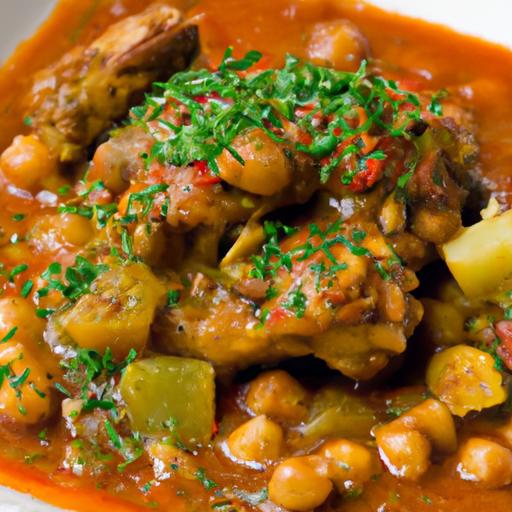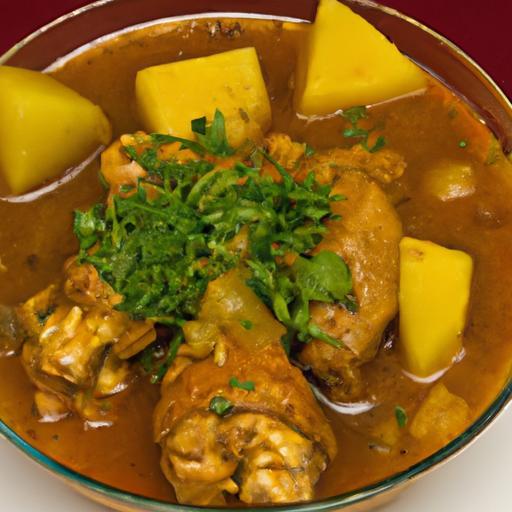
steeped in rich spices and layered with bold flavors, Ethiopian Doro Wat is more than just a chicken stew-it’s a soulful culinary journey that captures the heart of Ethiopian culture. this fragrant dish, simmered slowly to tender perfection, marries robust berbere seasoning with savory undertones, creating a hearty delight that warms both body and spirit. Whether shared among family or savored alone, Doro Wat invites you to explore the vibrant tapestry of Ethiopia’s traditional cuisine, offering a truly unforgettable taste experience. Join us as we unravel the secrets behind this iconic stew and discover why it remains a beloved staple on Ethiopian tables worldwide.
Fragrant Ethiopian Doro Wat is a timeless culinary treasure, steeped in rich tradition and bursting with complex, aromatic flavors that awaken every sense. This hearty chicken stew is more than just a meal; it’s a soulful experience that tells the story of Ethiopia’s vibrant culture through its vibrant spices and slow-simmered tenderness. From the fiery red hue courtesy of berbere spice to the deep, savory undertones of niter kibbeh-a clarified spiced butter-every bite is a party of heritage and warmth.
Prep and Cook Time
- Preparation: 20 minutes
- Cooking: 1 hour 40 minutes
- Total: 2 hours
Yield
Serves 6 hearty portions
Difficulty Level
Medium – Requires attentive simmering and layering of flavors, but fully accessible to enthusiastic home cooks.
Ingredients
- 2 lbs chicken drumsticks or thighs, skin removed for better absorption of spices
- 3 large red onions, finely chopped
- 4 cloves garlic, minced
- 1 tablespoon fresh ginger, grated
- 3 tablespoons berbere spice blend (Ethiopian chili and spice mix)
- 1/4 cup niter kibbeh (Ethiopian spiced clarified butter) or unsalted butter
- 2 tablespoons tomato paste
- 2 cups chicken broth (preferably homemade or low sodium)
- 2 hard-boiled eggs per serving, peeled
- 1 tablespoon lemon juice
- Salt, to taste
- Fresh cilantro or parsley, for garnish
Step by Step Guide to mastering the Perfect Chicken Stew
- Prepare the chicken: Rinse and pat dry the chicken pieces. Using a sharp knife,score the meat lightly to allow deeper spice penetration.
- Cook the onions: in a large heavy-bottomed pot, melt the niter kibbeh over medium heat. Add the chopped onions and sauté gently, stirring frequently. Cook until the onions become soft and golden brown, about 20 minutes. This slow caramelization builds the stew’s sweet base.
- Add ginger and garlic: Stir in minced garlic and grated ginger, cooking for 2-3 minutes until fragrant but not browned.
- Incorporate berbere and tomato paste: Sprinkle in the berbere spice and add tomato paste. Stir well to coat the onions, allowing the spices to toast lightly for 3-4 minutes. This step unlocks the deep red color and spicy heat essential to the stew.
- Add chicken and broth: Nestle the chicken pieces into the pot, browning each side for 3-4 minutes to build flavor. Pour in the chicken broth and stir, scraping the pot’s bottom to incorporate any caramelized bits.
- Simmer gently: Reduce heat to low and cover the pot partially. Let the stew simmer for 1 hour, stirring occasionally to prevent sticking. The slow simmer softens the chicken and melds the spices into a luscious sauce.
- Season and finish: Add salt to taste and squeeze in the lemon juice to brighten the flavors. Nestle peeled hard-boiled eggs into the stew and cook uncovered for an additional 10 minutes to absorb the rich sauce.
- Serve hot: Garnish with fresh cilantro or parsley for a pop of color and fresh aroma.
Traditional Ingredients and Their Roles in Flavor Creation
The cornerstone of this dish lies in its harmonious balance of bold and subtle flavors. Berbere-a multi-spice chili powder-brings heat, smoky warmth, and a blend of cumin, fenugreek, and cardamom that creates complexity. The niter kibbeh adds depth with its infused spices like cinnamon and cloves, enriching every mouthful. Red onions simmered slowly lend natural sweetness and body, while fresh ginger and garlic inject a punch of pungency. Lastly, the use of hard-boiled eggs isn’t just tradition; they soak up the stew’s intensity, offering a delightful textural contrast. Lemon juice brightens the stew, cutting through the richness and keeping the palette vibrant and alive.
Serving Suggestions and Pairings to Elevate Your Doro Wat Experience
This Fragrant Ethiopian Doro Wat is traditionally served atop injera-a spongy sourdough flatbread made from teff flour. The injera’s slightly tangy flavor perfectly complements the richly spiced stew while also acting as a utensil,scooping up every luscious bite.
If injera is not readily available, serve the stew alongside steamed basmati rice or crusty bread to soak up the savory sauce.Sprinkle with freshly chopped cilantro and a wedge of lemon on the side for extra brightness. Complement your meal with a cooling cucumber and yogurt salad or roasted greens to balance the stew’s bold earthiness.

tips for Success
- Onion patience: Taking the time to slowly cook the onions until caramelized is non-negotiable for authentic depth.
- Spice balance: adjust berbere spice cautiously if sensitive to heat.Start with 2 tablespoons, then build up.
- niter kibbeh substitute: If unavailable, clarified butter infused with crushed cardamom pods, cinnamon stick, and cloves gently simmered can replicate its flavor.
- Make ahead: Doro wat tastes even better the next day as flavors fully meld-reheat gently and add a splash of broth if thickened too much.
- Egg options: Traditional recipes use whole eggs; consider marinating boiled eggs briefly in leftover stew sauce for extra flavor.
| Nutrient | Per Serving |
|---|---|
| Calories | 430 kcal |
| Protein | 36 g |
| Carbohydrates | 12 g |
| Fat | 24 g |
For a deep dive into Ethiopia’s rich cooking culture and more recipes embracing ancient grains and spices, see our Ethiopian cuisine guide. To explore the remarkable spice blend that defines Doro Wat, visit Britannica’s article on Berbere.
Q&A
Q&A: Fragrant Ethiopian Doro Wat – Hearty Chicken Stew Delight
Q1: What is Doro Wat and why is it considered a signature Ethiopian dish?
A: Doro Wat is a deeply aromatic,spicy chicken stew that is a cornerstone of Ethiopian cuisine. Known for its robust flavors and rich, thick sauce, it’s traditionally served during special occasions and holidays. this hearty dish embodies the blend of spices and communal spirit that characterize Ethiopian culinary culture.
Q2: What makes the flavor of Doro Wat so unique?
A: The magic lies in its spice blend, primarily berbere-a vibrant, fiery Ethiopian mix of chili peppers, garlic, ginger, and warming spices like cardamom and fenugreek. Combined with slow-cooked onions and clarified butter called niter kibbeh, Doro Wat bursts with a complex, smoky, and spicy flavor that’s intensely comforting.
Q3: How is the chicken prepared in this stew?
A: Traditionally, whole chicken legs or drumsticks are used, simmered slowly until tender and infused with the sauce’s vibrant spices. The cooking method ensures the meat soaks up the stew’s flavors, resulting in a melt-in-your-mouth experience that’s rich and satisfying.
Q4: What are the essential ingredients to prepare an authentic Doro Wat?
A: The key ingredients include chicken, onions (frequently enough in large quantities, cooked down to a sweet, caramelized base), garlic, ginger, berbere spice mix, niter kibbeh (spiced clarified butter), and hard-boiled eggs added to the stew for extra richness. Tomato paste sometimes joins the mix, enhancing the sauce’s body without overpowering the traditional spice profile.
Q5: Why are hard-boiled eggs commonly added to Doro Wat?
A: The eggs symbolize fertility and new life in Ethiopian culture.beyond symbolism, their creamy texture contrasts beautifully with the spicy stew, offering a mellow balance to the intense flavors.
Q6: How is Doro Wat traditionally served?
A: It’s almost always enjoyed with injera, a sourdough flatbread made from teff flour. The soft, spongy injera acts as both plate and utensil, scooping up the stew and soaking in the rich sauce, which makes for a wonderfully communal dining experience.
Q7: can Doro wat be adapted for different dietary needs?
A: While the traditional recipe centers on chicken,its hearty,spiced base lends itself to variations like lamb or vegetables. For those avoiding meat but still craving the stew’s signature flavor, simmering berbere-spiced lentils or hearty root vegetables can create a similarly satisfying dish.Q8: What tips can help home cooks master the perfect Doro Wat flavor?
A: Patience is key-slowly caramelizing the onions until deeply golden is fundamental to building the stew’s complexity. Also, using freshly ground spices and simmering the stew low and slow allows the flavors to meld beautifully. Don’t rush the berbere; roasting or toasting it lightly before adding can amplify its fragrance.
Q9: How does Doro Wat reflect Ethiopian culture beyond being a meal?
A: Doro wat is more than just food-it’s a social experience that brings families and communities together. Served during holidays like Ethiopian New Year and Timkat (Epiphany), it symbolizes hospitality and celebration, embodying the warmth and resilience of Ethiopian heritage.
Q10: Where can someone explore more about Ethiopian cooking if they fall in love with Doro Wat?
A: Many Ethiopian cookbooks and online communities dive deep into the cuisine’s rich spice blends and traditional dishes. Visiting Ethiopian restaurants or markets can also offer hands-on learning and a sensory journey through flavors, inviting curious cooks to explore the broader tapestry of Ethiopian food culture.
Final Thoughts
As the rich aromas of berbere and slow-simmered chicken linger in the kitchen, Doro Wat reveals itself not just as a dish, but as a heartfelt journey into Ethiopia’s vibrant culinary heritage. Each spoonful invites you to savor the complexity of spices and the warmth of tradition, making it more than a hearty stew-it’s a celebration of culture and comfort in a bowl. Whether you’re a seasoned foodie or a curious newcomer, embracing doro Wat opens the door to an unforgettable flavor adventure that nourishes both body and soul. So next time you crave something bold and soulful, remember: the fragrant, fiery charm of Ethiopian Doro Wat is waiting to delight your palate and ignite your senses.