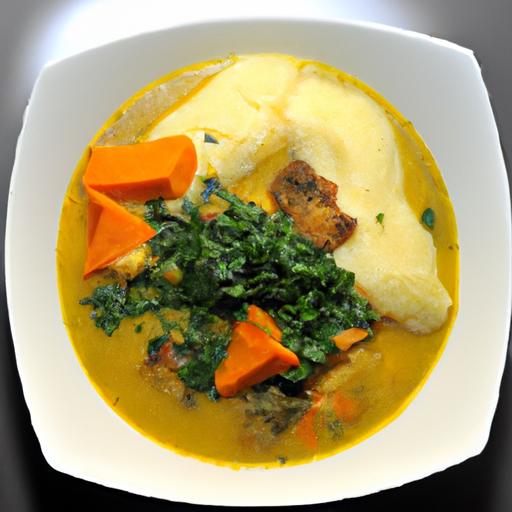
In the heart of Africa’s rich culinary tapestry lies a humble yet profoundly cherished dish-fufu. More than just a meal, fufu is a symbol of tradition, community, and cultural identity, uniting diverse regions with every soft, dough-like bite. From bustling city markets to quiet village kitchens, this staple transcends borders and generations, weaving stories of heritage and resilience into its vrey texture. In “Fufu Unveiled: Africa’s Beloved Staple in Every Bite,” we embark on a flavorful journey to explore the origins, variations, and importance of this iconic dish that continues to nourish both body and soul across the continent.
fufu Unveiled: Mastering the Art of Africa’s Beloved Staple in Every Bite
Fufu unveils a culinary journey that transcends borders and generations, embodying the spirit of African communities in every soft, elastic bite. it’s more than just food; it’s a symbol of unity, tradition, and sustenance. Originally rooted in West and Central Africa, fufu’s smooth, dough-like texture pairs perfectly with rich stews and soups, creating meals bursting with warmth and comfort. Growing up around vibrant family tables, I witnessed how the simple act of preparing fufu brings people together-hands pounding cassava or yam in rhythmic harmony, laughter ringing through kitchens, stories unfolding over shared plates. This cherished staple remains a cornerstone of African gastronomy, adapting and thriving as it embraces contemporary twists that excite modern palates.
Prep and Cook Time
- preparation: 15 minutes
- Cooking: 15 minutes
- Total Time: 30 minutes
yield
Serves 4 generous portions
Difficulty Level
Medium – requires attentive stirring and patience for the perfect texture
Ingredients
- 2 cups cassava flour (or fermented cassava if available)
- 3 cups water, divided
- 1 cup yam flour (optional, for blend and elasticity)
- Pinch of salt
Instructions
- Boil 2 cups of water. Pour into a heatproof bowl carefully.
- In a separate bowl, mix cassava flour and yam flour (if using) with the remaining 1 cup cold water. Stir to form a smooth thick paste.
- Gradually add the thick flour paste to the boiling water, stirring continuously. Use a strong wooden spoon and keep stirring vigorously to avoid lumps.
- Return the mixture to medium heat. Keep stirring and pounding the dough rhythmically for about 10 minutes until the mixture thickens and becomes stretchy and smooth.
- Once thickened to a dough-like consistency, remove from heat. Using wet hands or a spatula, shape the fufu into rounded balls or mounds on a clean plate.
- Let it sit covered briefly to steam and settle before serving.
Tips for Success
- Use a wooden spoon or mortar and pestle to mimic customary pounding techniques for the authentic texture.
- If lumps appear, strain through a fine sieve or vigorously whisk to smooth out before cooking.
- For an ultra-smooth finish, blend your cassava flour with yam or plantain flour.
- Make ahead: Fufu can be gently reheated by steaming or microwaving covered with a damp cloth to maintain moisture.
- Adjust thickness by adding water gradually to achieve your preferred pliability-it should bounce back lightly when pressed.
Serving Suggestions
Traditionally, fufu is best served with hearty, flavorful African soups such as groundnut stew, light vegetable soups, or spicy okra sauces. For a modern twist, pair your fufu with rich eggplant tomato stew or fragrant coconut curry, garnished with finely chopped fresh herbs like parsley or basil. Add sliced avocado or a drizzle of palm oil for added richness and vibrant color. To elevate presentation, serve on colorful woven platters or rustic terracotta dishes, creating a feast as visual as it is delicious.

| Nutrient | Per Serving (Approx.) |
|---|---|
| Calories | 220 kcal |
| Protein | 2 g |
| Carbohydrates | 54 g |
| Fat | 0.3 g |
exploring Nutritional Benefits of Fufu
Beyond its comforting texture,fufu provides a wholesome source of complex carbohydrates promoting sustained energy release. Made primarily from cassava and yam, it is indeed naturally gluten-free, making it accessible for diverse diets.Pairing fufu with protein-rich soups such as egusi,beans,or fish stews enhances the meal’s nutritional profile,delivering valuable vitamins,minerals,and healthy fats.For a healthful twist, incorporating vegetable-based stews packed with leafy greens and legumes complements fufu’s neutral base perfectly.
Innovative Twists on Traditional Fufu dishes
While classic fufu remains beloved, contemporary chefs experiment by infusing plantain or sweet potato flours for subtle sweetness and color variation, offering new texture profiles. Some creatively serve fufu alongside globally inspired sauces like spicy harissa or creamy coconut-peanut blends, merging continents in a single bite. For adventurous palates, try grilled tofu or tempeh stews as vegan companions, highlighting fufu’s versatility and its ability to embrace evolving culinary landscapes while honoring roots.
Q&A
Q&A: Fufu Unveiled - Africa’s Beloved Staple in Every Bite
Q1: What exactly is fufu, and why is it so crucial in African cuisine?
A: Fufu is a soft, dough-like staple made primarily from starchy vegetables such as cassava, yams, or plantains. It holds deep cultural significance across many African countries, often symbolizing unity and tradition. More than just food, fufu brings families and communities together, serving as the heart of countless meals and celebrations.
Q2: How is fufu traditionally prepared?
A: Traditionally, fufu is crafted by boiling starchy roots like cassava or yams until tender, than pounding them rhythmically with a mortar and pestle until the mixture becomes smooth and elastic. This labor-intensive process is often a communal activity, echoing the spirit of togetherness. In modern kitchens, fufu can also be made using food processors or instant fufu flour, making it more accessible while preserving its authentic texture.
Q3: What makes fufu unique compared to other starches or doughs worldwide?
A: Unlike bread or rice, fufu is cherished for its sticky yet springy texture that effortlessly scoops up rich soups and stews. It has a subtle, slightly tangy flavor (especially when fermented), which serves as the perfect canvas for bold, savory African sauces. eating fufu with your hands, using it to scoop rather than cut, also creates an intimate dining experience rooted in tradition.
Q4: Can fufu be made from different ingredients?
A: Absolutely! Fufu varies widely across regions. In west Africa, cassava and plantain combos are popular, while in eastern Africa, millet or sorghum might be used. Each variation reflects the local produce and palate, showcasing Africa’s incredible diversity. The choice of ingredient shapes the fufu’s texture and flavor, making every bite a unique experience.
Q5: What dishes are commonly enjoyed with fufu?
A: Fufu shines when paired with hearty soups and stews such as egusi (melon seed soup), groundnut soup, or light vegetable sauces. The mildly flavored fufu balances intense, spicy, and richly seasoned broths-creating a harmony that is both comforting and deeply satisfying.
Q6: How do people eat fufu traditionally?
A: In many African cultures, fufu is eaten by hand. Diners pinch off a small portion, roll it into a ball, then dip it into the accompanying soup or sauce before savoring each bite. This tactile method connects eaters to their meal and cultural roots, turning every mouthful into a shared ritual.
Q7: Is fufu only eaten during special occasions?
A: While fufu is a star at celebrations and communal feasts, it’s also an everyday staple in countless African homes.Versatile and nutritious,it provides energy and comfort both during festivals and simple family dinners alike.
Q8: How has fufu influenced global cuisine?
A: Fufu has traveled beyond Africa’s borders with the diaspora, inspiring chefs and home cooks around the world. It encourages a new gratitude for African ingredients and cooking styles, enriching global food culture with its unique texture and communal ethos.
By understanding fufu’s origins, preparation, and cultural roles, we gain a deeper appreciation for this humble yet powerful staple – a true taste of Africa’s heart and soul in every bite.
Closing Remarks
As the final morsel of fufu melts into the tapestry of flavors that define its rich heritage, we are reminded that this humble staple is much more than just food-it is indeed a story, a ritual, and a celebration of African culture in every bite.From bustling village kitchens to modern urban tables, fufu continues to unite generations, carrying forward traditions that nourish both body and soul. So the next time you dip your fingers into that comforting, stretchy mound, remember: you’re not just tasting a dish-you’re savoring a legacy steeped in history, community, and love. Truly, fufu is africa’s beloved staple, unveiled and cherished, one plate at a time.