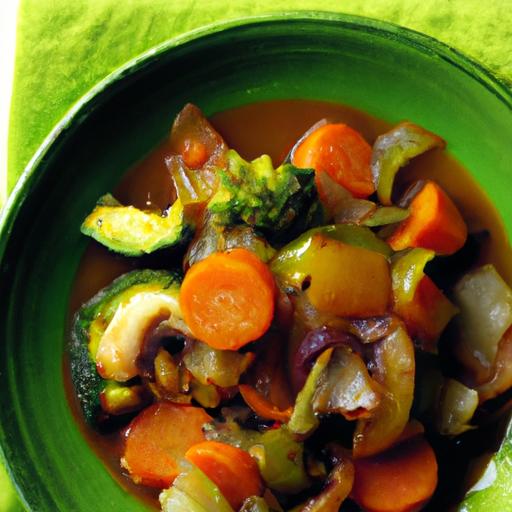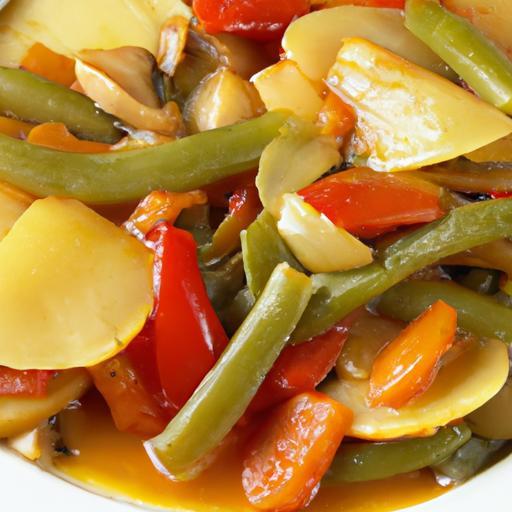
In the heart of europe’s bustling kitchens and cozy countryside homes, a timeless tradition simmers gently in pots and cauldrons: hearty vegetarian stews that warm both body and soul. These vibrant bowls tell stories of seasonal harvests, regional flavors, and generations of cooks who perfected the art of transforming humble vegetables into deeply satisfying meals. Far from mere sides or afterthoughts, these stews stand as emblematic dishes-rich in texture, layered with herbs, and steeped in cultural heritage. Join us as we explore the captivating world of European vegetarian stews, where tradition meets nourishment in every savory spoonful.
Hearty European vegetarian stews have an uncanny ability to transport you straight to the cozy kitchens of Europe’s diverse regions, where each simmering pot is a testament to centuries-old traditions. Drawing from rustic roots and rich flavors, these stews marry seasonal vegetables and timeless herbs, creating a soul-soothing meal that celebrates nature’s bounty and culinary heritage.
Prep and Cook Time
- Preparation Time: 20 minutes
- Cooking Time: 1 hour 15 minutes
- Total Time: 1 hour 35 minutes
Yield
Serves 6 generous portions
Difficulty Level
Medium – Perfect for home cooks looking to deepen their skills with slow-simmered, layered flavors
Ingredients
- 3 tbsp extra virgin olive oil
- 1 large yellow onion, finely chopped
- 3 cloves garlic, minced
- 2 large carrots, peeled and diced
- 2 parsnips, peeled and diced
- 2 medium potatoes, peeled and cubed
- 1 medium celery root (celeriac), peeled and chopped
- 1 red bell pepper, diced
- 1 cup chopped leeks (white part onyl), rinsed
- 1 can (14 oz) crushed tomatoes
- 4 cups vegetable broth, preferably homemade or low sodium
- 2 bay leaves
- 2 tsp smoked paprika
- 1 tsp dried thyme
- 1 tsp dried rosemary, crushed
- 1 tbsp fresh parsley, finely chopped (reserve some for garnish)
- Salt and freshly ground black pepper, to taste
- 1 cup green peas, fresh or frozen
- Juice of 1/2 lemon (optional, to brighten flavors)
Instructions
- Warm the olive oil in a large heavy-bottomed pot over medium heat. Add the chopped onion and sauté until golden brown, about 8 minutes, stirring frequently to prevent scorching.
- Add the minced garlic, diced carrots, parsnips, celery root, and leeks. Cook for an additional 5-7 minutes until vegetables begin to soften, stirring occasionally.
- Stir in the red bell pepper and potatoes, coating all the vegetables in the fragrant mixture. Sprinkle the smoked paprika, dried thyme, and rosemary over the veggies and stir for 1 minute to toast the spices gently.
- Pour in the crushed tomatoes and vegetable broth, then add bay leaves. Increase heat just enough to bring the stew to a gentle boil, then reduce to a simmer.
- cover partially and let the stew cook for about 45 minutes, stirring every 10 minutes to prevent sticking. The vegetables should be tender but still hold their shape.
- About 10 minutes before finishing, stir in the green peas and season with salt and black pepper to taste.
- Remove from heat. Take out the bay leaves and stir in fresh parsley and lemon juice,if using.
- Let the stew rest for a few minutes before serving-this allows flavors to meld beautifully.
Chef’s Notes and Tips for Success
- Vegetable swaps: Feel free to substitute with local roots like turnips or rutabagas for even heartier texture.
- Herb freshening: Fresh thyme and rosemary work wonderfully if available; add them in the last 15 minutes of cooking to avoid overpowering aromas.
- Thickening the stew: For a creamier, velvety texture, mash a few potato cubes against the pot’s side and stir well.
- Make-ahead magic: This stew tastes even better the next day-allow it to cool completely and refrigerate for up to 3 days or freeze for longer storage.
- Layering flavors: A splash of quality balsamic vinegar or a dollop of tangy crème fraîche just before serving provides a delightful contrast.
Serving Suggestions
Present your hearty European vegetarian stew with a rustic touch: ladle steaming bowls into deep earthenware dishes and garnish with a sprinkling of fresh parsley or finely chopped chives. Serve alongside warm crusty sourdough bread or traditional German potato dumplings to soak up every luscious spoonful. For a true European experience, pair it with a chilled sparkling elderflower lemonade or a robust herbal tea such as chamomile or nettle.
| Nutrient | Per Serving |
|---|---|
| Calories | 220 kcal |
| Protein | 6 g |
| Carbohydrates | 35 g |
| Fat | 7 g |

Q&A
Q&A: Hearty European Vegetarian Stews – traditions in a Bowl
Q1: What makes European vegetarian stews so hearty and satisfying?
A1: European vegetarian stews are a festivity of seasonal vegetables, aromatic herbs, and slow-cooked legume magic. The hearty texture usually comes from a robust combination of root vegetables,beans or lentils,and rich vegetable broths simmered until flavors meld into a comforting,soul-warming bowl. The use of earthy mushrooms, smoky paprika, and tangy tomatoes often brings depth and complexity, making these stews anything but plain.
Q2: Which european regions are known for their traditional vegetarian stews?
A2: From the rustic kitchens of France with it’s Provençal ratatouille, to the hearty bean stews of the Balkans, Europe boasts a spectrum of vegetarian stews rooted in regional produce and culinary customs. Central Europe offers spiced vegetable goulashes minus the meat, while Mediterranean countries favor vibrant combinations of eggplants, zucchini, and legumes slow roasted or stewed to perfection.
Q3: How do European vegetarian stews reflect local traditions and climates?
A3: Stews often originated as practical dishes, born from the necessity to create filling meals out of whatever garden or market vegetables were available, especially during colder months. In northern and eastern Europe, root vegetables and beans prevail, providing sustenance through harsh winters. Simultaneously occurring, southern European stews emphasize fresh summer bounty spotlighting herbs like thyme and rosemary, reflecting a culture deeply tied to the land’s seasonal rhythms.
Q4: What are typical herbs and spices used in these stews?
A4: The herbal symphony of European vegetarian stews varies regionally. Common players include bay leaves, thyme, rosemary, and marjoram, which infuse stews with warmth and earthiness. Paprika, especially in central Europe, lends a smoky note without overpowering, while garlic, onions, and sometimes a touch of caraway contribute layers of savory complexity.
Q5: Can traditional European vegetarian stews be adapted for modern diets?
A5: Absolutely! These stews are naturally flexible and can be tailored to fit vegan,gluten-free,or low-sodium lifestyles without losing their heartiness or soul. swapping ingredients for what’s fresh and local or adding grains like barley or quinoa can boost nutrition and texture, while careful seasoning keeps the essence of old-world comfort intact.
Q6: What is the cultural significance of stew in European communities?
A6: Stews have long been communal dishes,symbolizing warmth,sharing,and sustenance. Historically, long-simmered stews were cooked in large pots to feed families and neighbors, fostering connections over humble meals. Today, enjoying a bowl of traditional European vegetarian stew taps into that legacy-offering not just nourishment but a taste of collective memory and culinary heritage.
Q7: How can one best serve and enjoy a European vegetarian stew?
A7: Serving these stews with crusty bread, rustic flatbreads, or buttery mashed potatoes enhances the meal’s comfort factor. A sprinkle of fresh herbs or a dollop of tangy yogurt or plant-based sour cream can add brightness and creaminess. Whether eaten solo or shared around a wooden table, these stews invite slow savoring, warming both body and soul.
Final Thoughts
As the steam rises gently from these hearty European vegetarian stews, we are reminded that each spoonful carries a story-a tapestry woven from centuries of tradition, local harvests, and communal warmth. These bowls are more then just meals; they are edible chronicles of culture, resilience, and the simple joy of gathering around the table. Whether simmered slowly in a rustic kitchen or whipped up hurriedly on a weeknight, European vegetarian stews invite us to savor history in every bite and celebrate the timeless beauty of plant-based comfort food. So next time you crave a dish that nurtures both body and soul, turn to these venerable recipes and experience tradition served up warm, nourishing, and wonderfully satisfying.