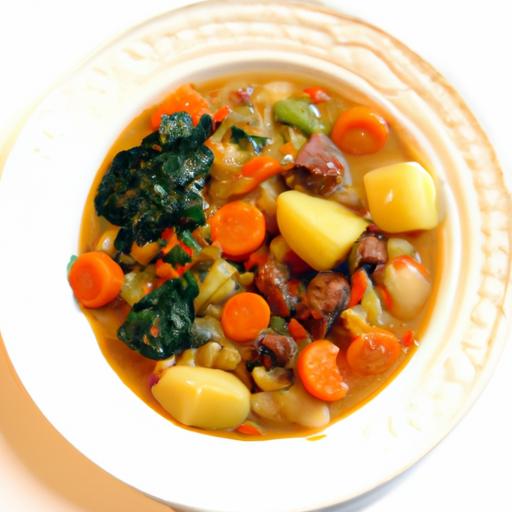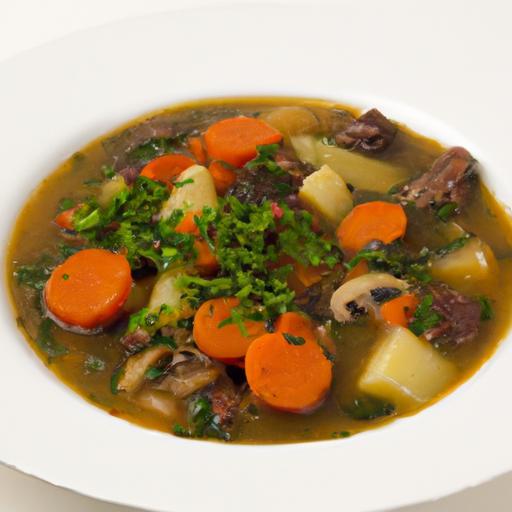
Few dishes evoke the rugged beauty and rich heritage of the Emerald Isle quite like a hearty Irish stew. More than just a meal, this soulful blend of tender lamb, earthy root vegetables, and fragrant herbs is a culinary emblem of Ireland’s enduring traditions.Passed down through generations, Irish stew embodies the warmth and resilience of its people, offering a comforting taste that transcends time and place. In this article, we delve into the origins, ingredients, and cultural significance of this timeless classic-inviting you to savor not just a stew, but a story steeped in history and homegrown flavor.
Hearty Irish stew is a beloved classic that embodies the soul of the Emerald Isle’s culinary heritage. Originally crafted by Irish farmers and families using simple, wholesome ingredients, this dish has stood the test of time, delivering comfort and warmth through its rich flavors and tender textures. The slow-cooked combination of robust lamb, root vegetables, and aromatic herbs creates an unforgettable taste experience that brings a sense of home and tradition to every bowl.
Prep and Cook Time
- Preparation: 20 minutes
- Cooking: 2 hours 30 minutes
- Total Time: 2 hours 50 minutes
Yield
Serves 6 generous portions
Difficulty Level
Medium – perfect for home cooks wanting a rewarding, hands-on experience
Essential ingredients That Capture Authentic Irish Flavor
- 2 lbs lamb shoulder, trimmed and cut into 2-inch cubes
- 3 large potatoes, peeled and cut into chunks
- 2 large carrots, peeled and sliced thickly
- 1 large onion, chopped
- 3 cups low-sodium beef broth (or lamb broth)
- 2 cloves garlic, minced
- 1 tsp dried thyme
- 1 tsp dried rosemary
- 2 bay leaves
- Salt and freshly ground black pepper, to taste
- 3 tbsp vegetable oil or sunflower oil
- Fresh parsley for garnish
Step by Step Guide to Preparing the Perfect Irish Stew
- Brown the lamb: Heat 2 tablespoons of vegetable oil in a large heavy-bottomed pot over medium-high heat. Add the lamb cubes in batches to avoid overcrowding. Sauté until golden brown on all sides, about 5 minutes per batch. Transfer browned lamb to a plate and set aside.
- Sauté the aromatics: Reduce heat to medium. Add remaining oil to the pot along with chopped onions and minced garlic. Sauté until the onions soften and turn translucent, about 6 minutes, stirring frequently to prevent sticking.
- Deglaze and layer flavors: Return the lamb to the pot. Add dried thyme,rosemary,bay leaves,salt,and pepper. Pour in the beef broth, scraping the bottom of the pan to lift the flavorful browned bits.
- Simmer gently: Bring the stew to a low boil,then reduce heat to a gentle simmer. Cover with a lid and cook for 1 hour, allowing the lamb to tenderize and the flavors to meld.
- Add root vegetables: After 1 hour, add potatoes and carrots to the pot. Stir gently to combine, cover again, and continue simmering for another 1 to 1.5 hours until vegetables are tender and the meat falls apart with a fork.
- Final seasoning: Taste and adjust seasoning with additional salt and pepper if needed. Remove bay leaves.
- Rest and serve: Let stew rest off heat for 10 minutes before serving. This allows the flavors to settle beautifully.
Expert Tips for Elevating Your Irish Stew Experience
- Choose lamb shoulder for rich marbling, which breaks down during the long cook, ensuring tender, juicy meat.
- Do not rush the browning process; it develops deep flavor and aroma that defines a hearty Irish stew.
- Use fresh herbs when possible: add a handful of fresh thyme or rosemary toward the end for a radiant herbal note.
- For an earthier depth, consider adding a parsnip or two with the carrots.
- If you prefer a thicker stew, stir in a slurry of 1 tablespoon cornflour mixed with cold water during the last 10 minutes of cooking.
- Make ahead: Irish stew tastes even better the next day as flavors continue to meld-simply reheat gently over low heat.
Serving Suggestions
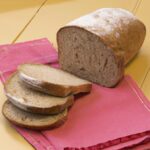
Serve your hearty Irish stew in deep bowls crowned with a sprinkle of freshly chopped parsley for a pop of vibrant color. It pairs perfectly with rustic soda bread or crusty artisan loaves to soak up the luscious broth. For added texture, offer a side of buttered green peas or steamed kale dressed with lemon. A dollop of creamy mashed potatoes can also complement the succulent stew beautifully, enriching the palate experience.

| nutrient | Per Serving |
|---|---|
| Calories | 410 kcal |
| Protein | 35 g |
| Carbohydrates | 28 g |
| Fat | 18 g |
For a deeper dive into Irish culinary traditions and recipes, explore our Irish Cuisine Essentials. To learn more about the history and cultural importance of lamb in Irish cooking, consult Britannica.
Q&A
Q&A: Hearty Irish Stew – A Timeless Taste of Emerald Isle Traditions
Q1: What exactly is Irish stew, and why is it considered a symbol of Irish heritage?
A1: Irish stew is a rustic, comforting dish that has been warming hearts and homes across the Emerald Isle for centuries. Traditionally made with simple,hearty ingredients like tender lamb or beef,potatoes,onions,and carrots,it embodies the resourcefulness and warmth of Irish culture. This stew represents more than just food-it’s a flavorful story of Ireland’s pastoral past, communal spirit, and enduring love for the land’s natural bounty.
Q2: What are the key ingredients that define a classic Irish stew?
A2: At its core, classic Irish stew highlights the harmony between a few humble ingredients. The star is often tender cuts of lamb or sometimes beef, slowly simmered to melt into rich, succulent morsels. Potatoes are essential for their creamy texture and ability to soak up flavors. Alongside these, onions and carrots contribute sweetness and depth, while fresh herbs like thyme and parsley add bright, earthy notes. Together, these ingredients create a simple yet deeply satisfying dish.
Q3: How does the cooking process enhance the flavors of Irish stew?
A3: Slow and steady is the motto for Irish stew. The magic happens as the stew gently simmers over low heat, allowing the meat to tenderize and the starches from the potatoes to thicken the broth naturally. This patient cooking melds the savory meat juices with the sweetness of vegetables, producing a rich, aromatic broth that speaks to the soul. It’s not just cooking-it’s a warming ritual that transforms basic elements into something truly wholesome.
Q4: Are there regional variations of Irish stew across Ireland?
A4: Yes,indeed! While the backbone ingredients remain consistent,regional twists add a delightful diversity. In some western coastal villages, fishermen might incorporate fresh local herbs or wild mushrooms gathered from the verdant hills. Northern regions frequently enough emphasize root vegetables like parsnips and turnips alongside conventional carrots.These subtle differences celebrate Ireland’s varied landscapes and seasons, making each stew a unique nod to its origin.
Q5: Can Irish stew be adapted for a vegetarian or vegan diet?
A5: Absolutely.While the classic stew centers on meat, the soul of the dish lies in its hearty, comforting nature. Plant-based versions can star an array of root vegetables, mushrooms, and hearty legumes like lentils or chickpeas. Using rich vegetable broth and layering flavors with herbs, garlic, and even a touch of smoked paprika can replicate the depth of the original while honoring the stew’s spirit. The result is a nourishing, timeless meal that welcomes all diet preferences.
Q6: What occasions are best suited to serving Irish stew?
A6: Irish stew shines as the ultimate comfort food, ideal for chilly evenings, family gatherings, and celebrations of Irish culture such as St. Patrick’s Day. Its hearty, soul-satisfying nature makes it perfect for sharing around a fireside or a bustling kitchen table. Beyond holidays, it’s simply a go-to dish whenever you crave a taste of Ireland’s warm hospitality and rustic charm.
Q7: How can home cooks elevate their Irish stew to capture authentic flavors?
A7: To infuse your stew with authenticity, start with fresh, quality ingredients-locally sourced lamb or beef, whenever possible, and earthy vegetables at their peak. Use low and slow cooking to coax out natural flavors. Adding a bay leaf or sprigs of fresh thyme during simmering imparts a subtle herbal fragrance. serve it with a crusty homemade soda bread or brown bread to soak up the luscious broth and complete the experience.
Q8: what makes Irish stew a “timeless” dish in today’s fast-paced world?
A8: Irish stew’s timelessness lies in its simplicity, heartiness, and the way it invites us to slow down and savor moments with loved ones. In a world that often rushes ahead, this stew reminds us to appreciate humble ingredients, patient cooking, and the joy of sharing a meal. It’s a delicious thread connecting modern tables to the rich tapestry of Irish tradition-a dish that honors the past while nourishing the present.
closing Remarks
As the rich aromas of tender lamb, hearty potatoes, and vibrant herbs fill your kitchen, you’re not just preparing a meal-you’re stirring a timeless tradition that echoes through the rolling hills and misty mornings of the Emerald Isle. Irish stew is more than comfort food; it is a delicious story of resilience, community, and the simple joys of gathering around a warm hearth. Whether enjoyed on a chilly evening or shared during a festive party, this hearty dish continues to connect us with Ireland’s rich cultural tapestry. so next time you savor a steaming bowl, remember: you’re tasting centuries of history, lovingly simmered into every bite. Sláinte!