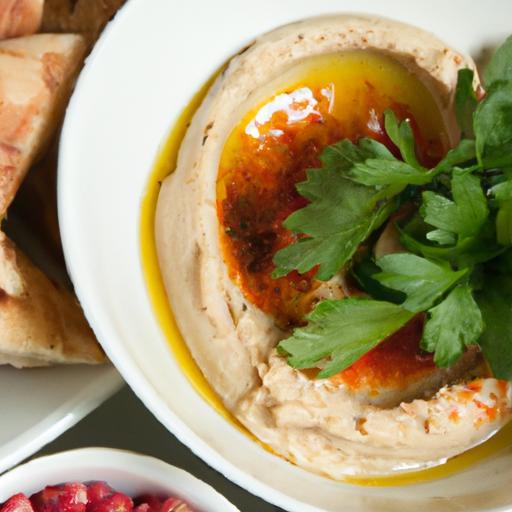
Few culinary pairings evoke a sense of timelessness quite like hummus and pita. This classic duo, rooted in teh rich tapestry of Middle eastern tradition, marries creamy, spiced chickpea dip with soft, warm pockets of bread-each bite a harmonious blend of texture and flavour. Beyond mere sustenance, hummus and pita tell a story of culture, community, and centuries-old recipes passed down through generations. In exploring their origins, readiness, and enduring appeal, we uncover how this humble combination continues to captivate palates around the world, offering both comfort and connection on a plate.
Hummus and pita form an iconic pairing celebrated across Middle Eastern tables and far beyond, embodying a tasty blend of history, culture, and culinary artistry. This classic duo of flavor and tradition invites you to experience more than just a snack-it’s a journey through time where simple ingredients unite to create a vibrant tapestry of taste and texture.
Origins and Cultural Importance of Hummus and Pita
Tracing back thousands of years,hummus and pita have roots intertwined with levantine civilizations,symbolizing hospitality and communal dining. Hummus, crafted from creamy chickpeas, nutty tahini, and zesty lemon, mirrors the resourcefulness of ancient cooks who transformed humble staples into enduring classics. Meanwhile, pita bread-soft, pillowy, and perfectly pocketed-has served as a vessel for scooping, sharing, and uniting friends and family at countless feasts.This duo transcends borders,weaving itself into cultural identities,religious festivities,and everyday life,emphasizing nourishment and connection.
Crafting the Perfect Hummus Texture and Flavor
Achieving the ideal hummus texture-a luscious balance between creamy and robust-starts with quality ingredients and technique. For that silken smoothness, soaking chickpeas overnight and cooking them until tender is essential. Incorporating cold water or aquafaba (the reserved bean liquid) while blending allows for airy lightness. Don’t hold back on fresh garlic and freshly squeezed lemon juice; their brightness sharpens the richness of tahini and olive oil. Season thoughtfully with salt, and finish by drizzling premium extra virgin olive oil for a glossy crown. The interplay between nutty tahini and vibrant citrus is key, so taste as you go!
Selecting the Ideal Pita Bread for Authentic Pairings
Choosing the right pita bread elevates the entire eating experience. Authentic Middle Eastern pita is characterized by its tender crumb and the iconic pocket perfect for cradling hummus and accompaniments. Look for pitas made from simple wheat flour, water, yeast, and a hint of olive oil, baked at high temperatures to achieve a light char and crisp edges. Avoid thick or overly doughy varieties; the pita should be pliable but resilient enough to hold scoops without tearing. When freshly warmed, the aroma and texture create an inviting complement to the smooth hummus, harmonizing each bite.
Elevating Your Hummus and Pita Experience with Creative Serving Ideas
While conventional hummus and pita are endlessly satisfying on their own, creative presentation and accompaniments can transform this duo into a banquet highlight.Garnish hummus with a swirl of olive oil, a sprinkle of smoked paprika or toasted pine nuts, and a scattering of fresh parsley or za’atar for depth. Serve alongside marinated olives, crisp cucumber slices, roasted red peppers, or spiced chickpeas for textural contrast. For a modern twist, pair with roasted eggplant or preserved lemons. Experiment with warming pita pockets slightly,then stuffing with fresh herbs,crunchy vegetables,or grilled halloumi to turn humble servings into gourmet delights.
Prep and Cook Time
- prep Time: 15 minutes (plus 8-12 hours soaking)
- Cook Time: 1 hour
yield
Serves 6 as an appetizer or snack
difficulty Level
Easy to Medium
Ingredients
- 1 cup dried chickpeas, soaked overnight and drained
- 1/2 teaspoon baking soda (for cooking chickpeas)
- 1/3 cup tahini (sesame seed paste)
- 1/4 cup fresh lemon juice (about 1 large lemon)
- 2 cloves garlic, crushed
- 1 teaspoon fine sea salt
- 1/3 cup extra virgin olive oil, plus more for drizzling
- Cold water or aquafaba, as needed for emulsifying
- Freshly ground black pepper, to taste
- 1 package fresh pita bread, warmed
- Optional toppings: smoked paprika, za’atar, toasted pine nuts, chopped parsley
Instructions
- Cook the chickpeas: Place soaked chickpeas and baking soda in a large pot. Cover with water, bring to a boil, then lower heat to simmer gently. Cook until very tender, about 1 hour, skimming foam occasionally.
- Drain chickpeas: Reserve some cooking liquid or aquafaba. Drain chickpeas and allow to cool slightly.
- blend the base: In a food processor, combine chickpeas, tahini, lemon juice, garlic, and salt. Pulse to form a coarse paste.
- Add liquid slowly: With the processor running, drizzle in olive oil and cold water or aquafaba until the hummus is luxuriously smooth and creamy.Scrape sides as needed.
- Adjust seasoning: Taste and add salt, lemon, or garlic as desired. Blend briefly to incorporate.
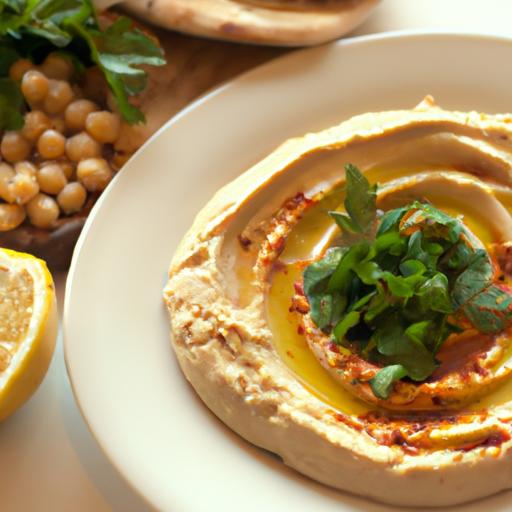
- Plate and garnish: Transfer hummus to a shallow bowl, create a shallow well in the center, drizzle with olive oil, and sprinkle optional toppings like smoked paprika or pine nuts.
- warm the pita: Heat pita bread wrapped in foil or on a dry skillet until soft and pliable but slightly toasted.
- Serve: Arrange pita wedges around the hummus bowl for dipping.
Chef’s Notes
- Using aquafaba instead of cold water adds extra silkiness and a subtle flavor boost.
- For ultra-smooth hummus, peel chickpeas after cooking by gently pinching skins off-though time-consuming, it yields a velvet texture.
- Store hummus in an airtight container, topped with olive oil, refrigerated up to five days.
- Substitute freshly squeezed lemon with a splash of white vinegar if needed for tang.
- Pita bread can be made from scratch or sourced fresh at Middle Eastern bakeries for authenticity.
Serving Suggestions
Present hummus in a wide bowl with a glistening olive oil pool on top. Accompany with warm pita wedges arranged like flower petals. Add small bowls of marinated olives, crunchy radishes, and pickled turnips to create a colorful mezze platter. Garnish hummus with a scattering of fresh herbs like mint or cilantro, pine nuts sautéed in olive oil, or a dusting of ground sumac for visual and flavor contrast. This setup invites sharing and exploring a medley of textures and tastes.
| Nutrient | Per Serving |
|---|---|
| calories | 230 kcal |
| protein | 8 g |
| Carbohydrates | 20 g |
| Fat | 12 g |

To explore more traditional Middle Eastern accompaniments, check out our extensive mezze guide.For cultural context,visit Encyclopaedia Britannica’s article on Hummus.
Q&A
Hummus and Pita: A Classic Duo of Flavor and Tradition – Q&A
Q1: What makes hummus and pita such a timeless culinary pair?
A1: Hummus and pita come together like an ancient dance of flavor and texture. Creamy, nutty hummus meets soft, pillowy pita bread, creating a harmonious balance that’s both satisfying and soulful. Their long history, rooted in Middle Eastern culture, adds depth and tradition to every bite, making them not just food, but a shared experience across generations.
Q2: What are the key ingredients that give hummus its distinctive flavor?
A2: The magic of hummus lies in its simple yet powerful ingredients: cooked chickpeas, tahini (sesame seed paste), fresh lemon juice, garlic, olive oil, and a pinch of salt. together, they weave a creamy, tangy, and slightly earthy flavor profile that’s endlessly versatile and utterly crave-worthy.
Q3: How is traditional pita bread made, and why is it perfect for hummus?
A3: Traditional pita bread is made from a simple dough of flour, water, yeast, and salt, expertly baked at high heat. This process creates a pocket in the middle, making it wonderfully soft and ideal for scooping up hummus. Its mild flavor and chewy texture make pita the perfect edible vessel for carrying every luscious dollop.
Q4: Can hummus and pita be enjoyed beyond the classic dip-and-bread routine?
A4: Absolutely! Hummus is a versatile canvas-spread it on sandwiches or wraps, dollop it over roasted vegetables, or use it as a base for creative bowls. Pita can be grilled, stuffed, or even toasted into chips for dipping. Together, they fuel endless culinary creativity while honoring their roots.Q5: Are there health benefits associated with hummus and pita?
A5: Certainly! Hummus packs protein, fiber, and healthy fats, making it a nourishing choice that supports digestion and sustained energy. Pita, especially when made from whole grains, contributes wholesome carbohydrates and essential nutrients. This pairing offers a balanced,plant-based boost that’s as good for your body as it is for your taste buds.
Q6: how has hummus and pita influenced global food culture?
A6: From bustling street markets to upscale restaurants, hummus and pita have journeyed far beyond their origins. They’ve become ambassadors of Middle Eastern cuisine worldwide, inspiring fusion dishes and sparking conversations about tradition, community, and the joy of sharing food.Their worldwide appeal celebrates diversity through delicious simplicity.
Q7: What tips can help someone make authentic hummus and pita at home?
A7: For hummus,start with well-cooked chickpeas and don’t rush the blending-patience yields unmatched creaminess. Fresh lemon juice and good-quality tahini elevate the flavor immensely. For pita, keep the dough warm to help it puff up in the oven or skillet. And remember: serving them fresh, with a drizzle of olive oil and a sprinkle of sumac or paprika, enhances every flavor note.
Q8: How do cultural traditions shape the way hummus and pita are enjoyed?
A8: In Middle Eastern households, hummus and pita frequently enough symbolize hospitality and togetherness. Meals featuring this duo are communal affairs-shared around the table,encouraging conversation and connection.Spices,garnishes,and accompaniments vary regionally,reflecting local tastes and stories,making every plate both delicious and deeply meaningful.
To Conclude
In the tapestry of global cuisine, few pairings resonate as deeply as hummus and pita-a harmonious blend of history, culture, and flavor. This classic duo invites us to savor not just the creamy richness of chickpeas and tahini, but also the centuries-old traditions that have shaped them. Whether shared at a bustling market or a quiet family table, hummus and pita continue to connect us across time and taste, reminding us that sometimes, the simplest combinations carry the most enduring stories. So next time you dip,take a moment to appreciate the legacy in every bite-a delicious party of flavor and tradition intertwined.