In the heart of West Africa, a vibrant ruby-red elixir has been quenching thirsts and awakening senses for centuries-this is Ivorian Bissap, the refreshing hibiscus drink that carries the spirit and flavors of Côte d’Ivoire in every sip. More than just a beverage, Bissap is a celebration of culture, tradition, and nature’s bounty, offering a tart yet sweet flavor that dances on the palate and cools the soul. As the world rediscovers the joys of exotic and natural refreshments, this cherished drink is stepping into the spotlight, inviting you to uncover its origins, health benefits, and the simple artistry behind its readiness. Join us as we unveil the story of Ivorian Bissap, a hibiscus-infused treasure rooted in heritage and bursting with vibrant life.
The Botanical Roots and Cultural Significance of Ivorian Bissap
Ivorian Bissap is more than just a refreshing hibiscus drink-it’s a vibrant symbol woven deeply into the cultural fabric of Côte d’Ivoire. Originating from the calyces of the Hibiscus sabdariffa plant, known locally as bissap, this ruby-hued beverage has been cherished for centuries, not only for its tart and floral aroma but as a celebratory and communal drink. Traditionally served at family gatherings, weddings, and festive markets, bissap embodies conviviality and a sense of place that is uniquely West African.
The hibiscus plant grows abundantly in Ivorian soil, thriving under the warm sun and rich earth. These dried petals are sun-dried to preserve thier vibrant color and potent flavor, creating an infused tea preparation that offers a burst of natural antioxidants with each sip. Sharing a glass of bissap is an invitation to partake in a ritual of hospitality that reflects both history and everyday joy.
Mastering the Art of Preparing the Perfect Hibiscus Drink
Creating the ideal Ivorian Bissap requires balancing its tangy bite with just the right touch of sweetness and subtle aromatic accents. The key lies in using high-quality dried hibiscus petals, fresh water, and a sweetener like cane sugar or honey. Adding crushed mint leaves or a hint of ginger can elevate the flavor complexity, making every sip refreshing and invigorating.
Prep and Cook time
- Preparation: 10 minutes
- Brewing Time: 15 minutes
- Chilling Time: 1 hour (recommended)
Yield
- Approximately 6 Servings (1-liter batch)
Difficulty Level
- Easy – Perfect for beginners and aficionados alike
Ingredients
- 1 cup dried hibiscus petals (bissap), rinsed and drained
- 6 cups filtered water
- 1 cup cane sugar or honey (adjust to taste)
- 1 tbsp freshly grated ginger (optional)
- A handful of fresh mint leaves
- Juice of 1 lime (optional for extra zest)
Instructions
- Boil the water: In a large pot, bring 6 cups of filtered water to a rolling boil to ensure purity and enhance flavor extraction.
- Steep the hibiscus: Remove from heat and add the rinsed hibiscus petals along with grated ginger if using. Cover and steep for 15 minutes; this releases a deep ruby color and tart berry notes.
- Strain the infusion: Using a fine mesh sieve, strain the liquid into a large pitcher, discarding the spent petals and ginger pieces for a clean, smooth drink.
- Sweeten gradually: While the liquid is still warm, stir in the cane sugar or honey until fully dissolved. Start with less and adjust to your preferred sweetness.
- Add mint and lime: Gently bruise mint leaves to release oils and add them to the pitcher along with fresh lime juice for shimmer and aroma.
- Chill thoroughly: Refrigerate for at least 1 hour. This allows flavors to meld and the drink to reach a crisp, thirst-quenching temperature.
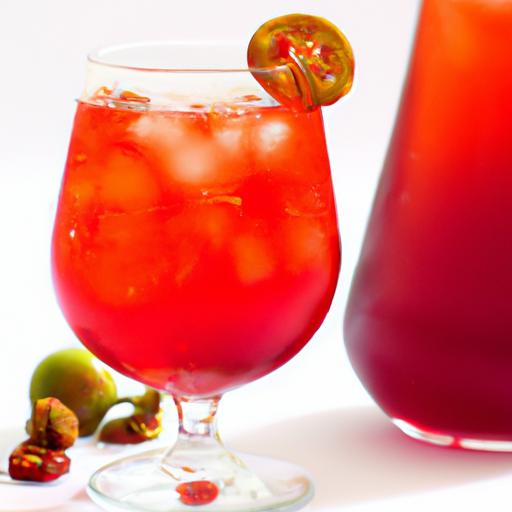
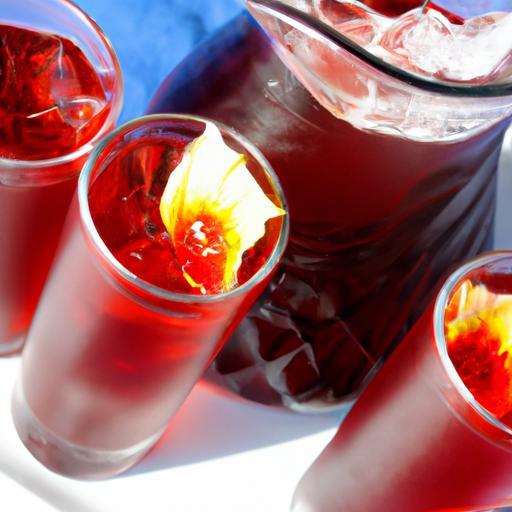
- Serve and garnish: Pour over ice cubes in tall glasses and garnish with sprigs of mint, lime wedges, or even edible hibiscus flowers for a stunning presentation.
Tips for Success
- Adjust sweetness thoughtfully: Bissap’s natural tartness varies by batch, so sweeten gradually to prevent overpowering its signature zing.
- Freshness matters: Use the freshest dried hibiscus petals you can find to maintain vibrant color and powerful flavor.
- Variations to explore: Swap out ginger for a cinnamon stick during steeping for warmth or infuse with lemongrass for a citrusy twist.
- Make ahead: Bissap stores well in the fridge for up to 3 days-shake gently before serving as sediment may settle.
Serving Suggestions
Delight guests by presenting Ivorian Bissap in clear glass pitchers to showcase its rich crimson hue.Serve chilled over ice with garnishes like mint, thin lime wheels, or a scattering of pomegranate arils for a jewel-tone pop. For celebrations, pair bissap with spicy grilled chicken skewers or light vegetable samosas to offset its tart brightness. It’s equally satisfying as a standalone refresher during hot afternoons or as a complex ingredient in fruity mocktails.
| Nutrient | Per Serving (approx.) |
|---|---|
| Calories | 90 |
| Protein | 0.5g |
| carbohydrates | 24g |
| fat | 0g |
| Vitamin C | 15% DV |
| Iron | 4% DV |
Learn more about traditional West African beverages in our comprehensive guide to regional drinks. For advanced nutritional data on hibiscus tea, visit NCBI’s research article.

Q&A
Q&A: Ivorian Bissap – The Refreshing Hibiscus Drink Unveiled
Q1: What exactly is Ivorian Bissap?
A1: Ivorian Bissap is a vibrant, refreshing drink made from dried hibiscus petals, known locally as bissap. This tart, ruby-red beverage is a beloved traditional drink in Côte d’Ivoire (ivory Coast), celebrated for its invigorating flavor and cultural significance.
Q2: Where does bissap originate, and why is it so popular in Ivory Coast?
A2: Bissap traces its roots to West Africa, where hibiscus tea has long been cherished for both its taste and health benefits. In Ivory Coast, bissap is a staple at social gatherings, markets, and festivals, revered for its cooling qualities amid the tropical climate.
Q3: What does Bissap taste like?
A3: Imagine a harmonious balance of tartness and subtle sweetness-Bissap combines the tangy bite of hibiscus petals with refreshing hints of citrus and sugar. The overall flavor is both bold and soothing, making it the perfect thirst quencher.
Q4: How is Ivorian Bissap traditionally prepared?
A4: The classic recipe begins by soaking dried hibiscus petals in hot water to extract their deep red color and tart essence. The infusion is then strained, sweetened with sugar or natural sweeteners, and frequently enough flavored with touches of mint, ginger, or orange blossom water for an aromatic twist. Served chilled, it’s a cool, revitalizing delight.Q5: Are there any health benefits associated with drinking Bissap?
A5: Absolutely! Bissap is rich in antioxidants, vitamin C, and minerals. It’s known to help lower blood pressure, support immune health, and aid digestion. its natural ingredients offer a wholesome choice to artificially flavored beverages.
Q6: Can Bissap be enjoyed in different ways?
A6: Indeed! while traditionally served as a chilled drink, Bissap can also be turned into a sparkling refresher by adding carbonated water, or blended into smoothies for a fruity flair. Ivorian cooks often get creative, infusing it with spices like cloves or cinnamon for festive celebrations.
Q7: Is the hibiscus flower used in Bissap consumed elsewhere?
A7: Yes, hibiscus-based drinks are cherished worldwide: from “agua de Jamaica” in Mexico to “karkade” in Egypt. Though, Ivorian Bissap stands out with its unique preparation style and the vibrant cultural traditions woven into each glass.
Q8: how can someone outside Ivory Coast enjoy an authentic Bissap experience?
A8: You can find dried hibiscus petals in many international markets or online.By following a simple recipe-steeping, sweetening, and chilling the petals-you can recreate the luscious essence of Ivorian Bissap at home.For an extra touch of authenticity, garnish with fresh mint or a slice of lime.
Q9: What occasions are perfect for serving Bissap?
A9: Bissap shines at any gathering, from casual family meals to lively celebrations and market stalls. Its refreshing nature makes it especially favored during warm weather and festive moments when communities come together to share stories and joy.
Q10: Why is Bissap more than just a drink in Ivory Coast?
A10: Bissap is a symbol of hospitality, tradition, and cultural pride. Sharing a glass is an invitation to connect, celebrate heritage, and savor the simple pleasures of life. It’s a timeless elixir that tells the story of a vibrant people and a rich land.
In Conclusion
As the crimson hues of Ivorian bissap swirl in your glass, you’re not just savoring a drink-you’re sipping centuries of West African tradition, culture, and vibrant flavor. This refreshing hibiscus infusion, with its tangy zest and natural sweetness, offers more than a thirst-quenching escape; it invites you to experience a story steeped in history and community. Whether enjoyed at a bustling market stall in Abidjan or crafted in your own kitchen miles away, Bissap remains a timeless symbol of joy and refreshment. So next time you seek a beverage that delights your palate and connects you to a rich heritage, let Ivorian Bissap be your flavorful guide. Cheers to discovering more than just a drink-cheers to a taste of Ivory Coast itself.