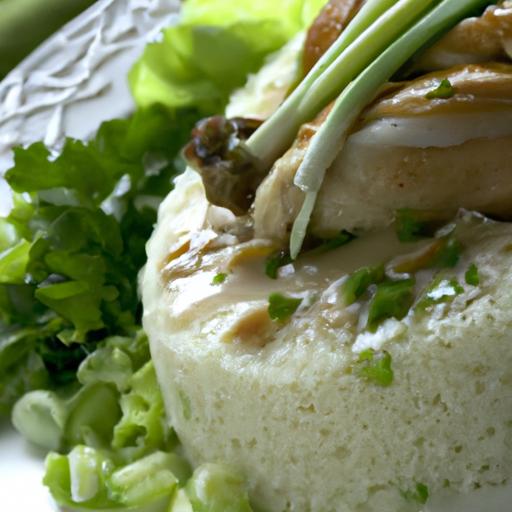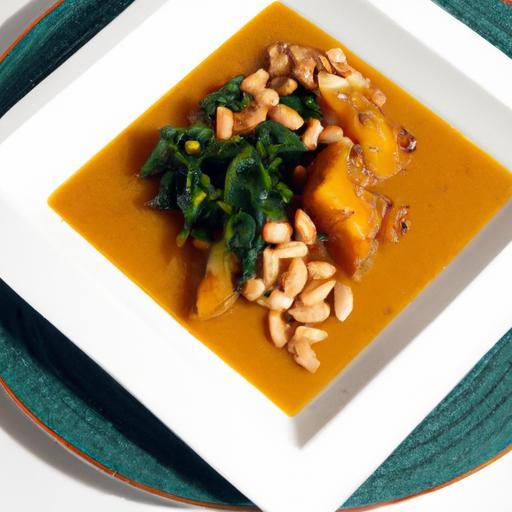
In the vibrant culinary tapestry of West africa, few dishes capture the heart and soul of the region quite like Ivorian peanut sauce. This luscious, velvety blend of roasted groundnuts, fragrant spices, and earthy roots weaves together centuries of tradition and culture into every savory spoonful. More than just a sauce, it is a party of Ivory Coast’s rich agricultural heritage and the warmth of its communal tables. Join us as we delve into the origins, ingredients, and irresistible flavors of Ivorian peanut sauce-a rich taste that tells a story far beyond the plate.
Ivorian Peanut Sauce is a vibrant,comforting staple that carries the soul of West African cuisine in every spoonful. Originating from the Ivory Coast, this rich, creamy sauce mixes the earthy warmth of roasted peanuts with fragrant spices and fresh produce, lending itself to both everyday meals and festive gatherings. The comforting aroma and deep, nutty flavor evoke images of bustling markets, family celebrations, and a shared love for simple ingredients turned exquisite. It’s more than just a sauce; it’s a cultural bridge that connects generations and communities across West Africa.
Prep and Cook Time
Preparation: 15 minutes | Cooking: 30 minutes | Total: 45 minutes
Yield
Serves 6 generously
Difficulty Level
Medium – approachable for home cooks ready to explore authentic flavors
Key Ingredients That Define Authentic West African Flavor
- 1 cup natural peanut butter (smooth or chunky, unsweetened to retain authentic savory taste)
- 2 tbsp palm oil (or use peanut oil as a substitute but signature flavor comes from palm oil)
- 1 large onion, finely chopped
- 3 garlic cloves, minced
- 1-inch piece of fresh ginger, grated
- 1 to 2 fresh Scotch bonnet peppers, seeded and minced (use sparingly for heat)
- 2 large tomatoes, pureed or finely chopped
- 3 cups chicken or vegetable broth
- 1 tbsp tomato paste
- 1 tsp smoked paprika
- Salt and freshly ground black pepper to taste
- Fresh parsley or cilantro for garnish
Step-by-Step Guide to Crafting the Perfect Peanut Sauce
- Heat the palm oil in a large, heavy-bottomed saucepan over medium heat. Once shimmering, add the finely chopped onion and sauté until soft and golden, about 5-7 minutes.
- Stir in the minced garlic, grated ginger, and Scotch bonnet peppers, cooking for another 2 minutes until fragrant. Be careful not to burn the garlic.
- Add the pureed tomatoes and tomato paste, mixing thoroughly. Simmer for 10 minutes, stirring occasionally, allowing the sauce to thicken and flavors to meld.
- Blend the peanut butter into the mixture, stirring continuously until it integrates smoothly and the sauce turns creamy and glossy.
- Slowly pour in the broth while whisking to prevent lumps. Bring the sauce to a gentle simmer and cook for 15 minutes, stirring regularly to avoid sticking.
- Season with smoked paprika, salt, and pepper to balance the flavors. taste and adjust, adding more heat or salt as preferred.
- Remove from heat and garnish with chopped parsley or cilantro before serving.
Chef’s Notes
- Variation: For a deeper smoky flavor, roast raw peanuts at home before blending into the sauce.
- substitution Tip: Use oily peanut butter and skip added sugar or salt for a purer taste.
- Heat Control: Scotch bonnet peppers are very spicy; use gloves when handling and add gradually.
- Make-Ahead: This sauce stores well in the fridge for 3 days; reheat slowly with a splash of broth to loosen.
- Texture: For a thinner sauce suitable for dipping, add extra broth; for thick, stew-like consistency, reduce liquid.
Pairing ideas and Serving Suggestions for a Memorable Meal
Serve this luscious peanut sauce poured over steamed rice or fufu for a traditional West African presentation. It pairs beautifully with grilled chicken, tender lamb, or fresh fish, making the meat sing with its creamy warmth.for a vegetarian feast,ladle it over roasted or boiled plantains,sweet potatoes,or a medley of sautéed vegetables. Garnish with chopped fresh herbs and a squeeze of lime to brighten the depths of the sauce.
As a side dish, offer steamed greens or a crisp chopped salad to contrast the sauce’s richness. For an eye-catching table, place the sauce in a bowl surrounded by colorful accompaniments-think vibrant peppers, fresh tomatoes, and crusty bread-to encourage communal dining and sharing, a true hallmark of West African food culture.

| nutrient | Per Serving |
|---|---|
| Calories | 320 kcal |
| Protein | 12 g |
| Carbohydrates | 18 g |
| Fat | 24 g |
Expand your culinary journey by exploring our West African Jollof Rice recipe, a vibrant companion to this sauce. For further cultural context on peanut cultivation and its culinary role globally, visit Britannica’s Peanut Overview.
Q&A
Q&A: Ivorian Peanut Sauce – A Rich Taste of West African Flavor
Q1: What is Ivorian Peanut Sauce?
A1: Ivorian Peanut sauce,known locally as “sauce arachide,” is a beloved West African dish originating from Côte d’Ivoire. It’s a creamy, savory sauce made primarily from roasted peanuts, tomatoes, and aromatic spices, simmered to perfection. This sauce is a culinary symbol of Ivorian culture, offering a rich, nutty flavor that embodies the warmth and vibrancy of West African cuisine.
Q2: How is Ivorian Peanut Sauce traditionally prepared?
A2: At its heart, ivorian Peanut Sauce begins with ground peanuts, often freshly roasted to enhance their deep, earthy notes. These are blended into a paste and cooked with sautéed onions, garlic, fresh tomatoes, and a blend of spices like chili peppers, ginger, and sometimes smoked fish or meat. the sauce is slow-simmered until thick and luscious, creating a perfect balance of creamy texture and robust flavor.
Q3: What makes the peanut sauce unique compared to other African peanut stews?
A3: While peanut sauces are popular throughout West Africa, the Ivorian version stands out for its harmonious blend of fresh tomatoes and toasted peanuts, resulting in a sauce that’s both tangy and nutty. Unlike some versions that rely heavily on meat or palm oil, Ivorian peanut sauce often prioritizes fresh ingredients and a subtle spice profile, highlighting the peanuts’ natural richness without overpowering them.
Q4: What dishes pair best with Ivorian Peanut Sauce?
A4: This versatile sauce is a perfect companion to staples like white rice, boiled cassava, yam, or plantains.It also pairs beautifully with grilled chicken, fish, or beef, soaking into the protein with its velvety texture. In ivory Coast, enjoying this sauce with attiéké-a fermented cassava couscous-is a traditional favorite that showcases the best of local flavors.
Q5: Can Ivorian peanut Sauce be adapted for a vegetarian or vegan diet?
A5: Absolutely! The sauce’s core ingredients-peanuts, tomatoes, and spices-are plant-based, making it naturally vegan. Simply omit any animal products like meat or fish stock, and enhance with vegetables like eggplant, okra, or spinach for a hearty, wholesome meal that retains the authentic taste and richness.
Q6: what cultural significance does Ivorian Peanut Sauce hold?
A6: Beyond its tasty taste, peanut sauce is deeply woven into Ivorian social and cultural fabric. It’s often served during family gatherings, celebrations, and communal meals, symbolizing hospitality and togetherness. The peanuts themselves are a major crop in Côte d’Ivoire, making this sauce a reflection of both agricultural heritage and culinary artistry.
Q7: Where can one experience authentic Ivorian Peanut Sauce outside West Africa?
A7: Thanks to growing global interest in African cuisines, many African restaurants in major cities now feature Ivorian Peanut Sauce on their menus. You can also explore specialty West African grocery stores for ingredients to create this rich sauce at home. Cooking it yourself is a rewarding way to savor the bold flavors and cultural spirit of Côte d’Ivoire no matter where you live.
Q8: What tips do chefs offer to perfect the sauce at home?
A8: For the richest flavor, roast your peanuts lightly before grinding; this step unlocks deeper aromas. Use fresh, ripe tomatoes to add natural sweetness and acidity. Be patient during simmering-low and slow cooking melds the ingredients and thickens the sauce perfectly. taste frequently and adjust spices to balance heat and earthiness, creating a sauce that’s truly your own signature blend.
Insights and Conclusions
As the creamy, nutty essence of Ivorian peanut sauce lingers on the palate, it’s clear that this vibrant condiment is more than just a dish-it’s a cultural story served in every spoonful. From bustling street markets to family tables in Côte d’Ivoire, peanut sauce embodies the warmth, tradition, and ingenuity of West African cuisine. Whether drizzled over grilled meats, stirred into stews, or paired with simple staples like rice and plantains, it offers a rich taste experience that connects you to the heart of a region steeped in flavor and heritage. Embracing Ivorian peanut sauce is more than savoring a meal; it’s an invitation to explore and celebrate the dynamic culinary tapestry that makes West Africa irresistibly delicious.