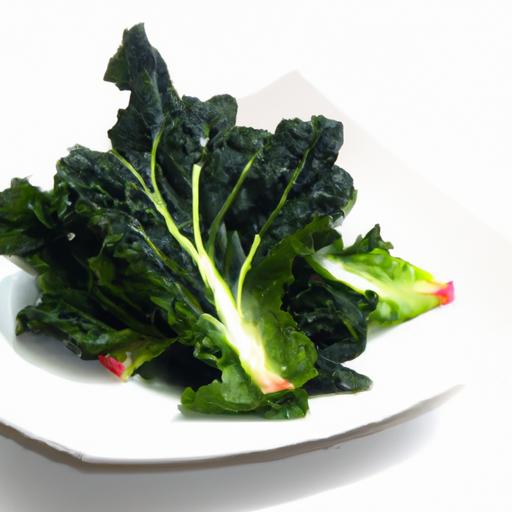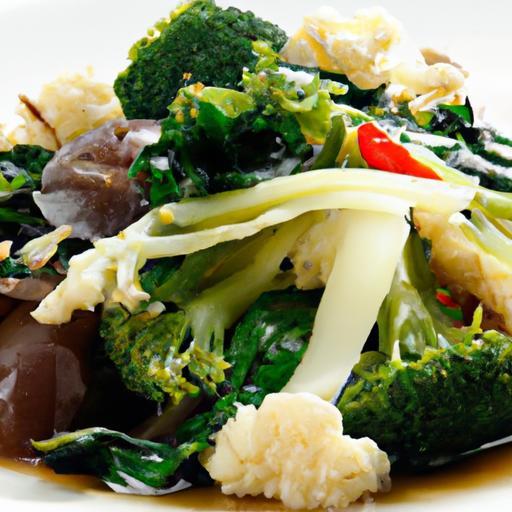
In the heart of east African kitchens, a vibrant green vegetable steals the spotlight with it’s rich flavor and impressive nutritional punch-Kenyan Sukuma Wiki. Often referred to as the soul of everyday meals, this leafy green is much more than a humble side dish; it’s a culinary staple that weaves together culture, health, and tradition in every bite. While it may resemble the familiar collard greens found on dinner tables worldwide, Sukuma Wiki carries a unique story, preparation style, and remarkable health benefits that set it apart. Join us as we explore this nutritious twist on collard greens, uncovering the secrets behind Sukuma wiki’s enduring popularity and its role as a vibrant symbol of Kenyan cuisine.
Kenyan Sukuma Wiki: A Nutritious Twist on Collard Greens
Kenyan Sukuma Wiki has long been a beloved staple in East African kitchens, cherished not only for its vibrant flavor but also for its remarkable nutritional profile. This hearty leafy green, closely related to collard greens, carries centuries of cultural tradition and is celebrated as an everyday superfood that fuels both body and soul. My first encounter with Sukuma Wiki was during a family visit in Nairobi, where the simmering pot of sautéed greens infused with garlic and tomatoes revealed a dish far beyond mere sustenance-it was a festivity of heritage and health.
Prep and cook time
- Preparation: 10 minutes
- Cooking: 15 minutes
- Total Time: 25 minutes
Yield
Serves 4 as a nutritious side dish
Difficulty Level
Easy to Medium
The Cultural Significance of Kenyan Sukuma Wiki in Kenyan Cuisine
In Kenyan households, Sukuma Wiki is more than just a green; it’s a daily ritual emblematic of resourcefulness and community bonding. The name “Sukuma Wiki” means ”push the week” in Swahili, a nod to its affordability and ability to stretch meals through economic stretches. Traditionally,it pairs beautifully with ugali,a staple maize porridge,embodying a balance of texture and flavor deeply embedded in Kenyan identity. Its versatility makes it a go-to for street vendors and home cooks alike, offering a rapid, wholesome meal that connects generations.
Nutritional Benefits That Make Kenyan Sukuma Wiki a Superfood
Sukuma Wiki packs a potent nutrient punch, loaded with vitamins A, C, and K, along with dietary fiber and essential minerals like calcium and iron. These qualities not only support healthy vision and immune function but also contribute to bone health and energy metabolism. Rich in antioxidants and low in calories, Sukuma Wiki helps reduce inflammation and supports heart health, making it an ideal ingredient for anyone looking to eat mindfully without sacrificing flavor or tradition.
Customary Preparation Methods to maximize Flavor and Health
The magic of Kenyan Sukuma Wiki lies in its straightforward yet effective preparation. The leaves are typically chopped finely and sautéed with aromatic ingredients like onions, fresh tomatoes, and garlic in a small amount of oil. This quick cooking method preserves the crisp-tender texture and shining, earthy flavors while enhancing the green’s nutrient bioavailability.To truly elevate its taste,many cooks add a squeeze of fresh lemon or a pinch of chili flakes,which both brightens and deepens the dish’s complexity.
Ingredients
- 1 large bunch (about 500g) of fresh sukuma Wiki (collard greens), washed and finely chopped
- 2 tablespoons of vegetable or sunflower oil
- 1 medium onion, finely sliced
- 3 cloves garlic, minced
- 2 medium tomatoes, diced
- 1 Green chili, finely chopped (optional)
- Salt to taste
- Freshly ground black pepper, to taste
- Juice of ½ lemon
Instructions
- Heat the oil in a large skillet over medium heat. Add the sliced onion and sauté until translucent and fragrant, about 5 minutes.
- Stir in the minced garlic and green chili (if using), cooking for an additional 1-2 minutes, making sure not to burn the garlic.
- Add the diced tomatoes, stirring occasionally until they soften and release their juices, creating a rich base, about 5 minutes.
- Toss in the chopped Sukuma Wiki, stirring well to combine with the tomato mixture. Cook, stirring frequently, until the greens are tender but still vibrant green, about 7-10 minutes.
- Season with salt and freshly ground black pepper, then remove from heat.
- Finish with a squeeze of fresh lemon juice, which brightens the flavors and balances the earthiness.
- Serve promptly alongside your favorite Kenyan dishes such as ugali, chapati, or grilled fish.
Tips for Success
- Choose fresh, young leaves for the most tender and flavorful Sukuma Wiki. Older leaves tend to be tougher and more bitter.
- Don’t overcook; Sukuma Wiki should remain slightly crisp and retain its brilliant green color.
- For vegan variations, add a splash of coconut milk towards the end for a creamy twist.
- Make-ahead: Sukuma Wiki can be cooked in advance and gently reheated, but it’s best enjoyed fresh for maximum texture and nutrition.
- for extra umami, consider incorporating sautéed mushrooms or a sprinkle of toasted sesame seeds on top.
Serving Suggestions
This vibrant dish looks stunning when plated with Ugali molded into neat rounds, creating a harmonious balance of color and texture. Garnish Sukuma Wiki with freshly chopped cilantro or parsley to add a fresh herbal note and a pop of color. For an extra touch, a few thin slices of avocado can provide creaminess that contrasts beautifully with the greens’ slight bite. Pair with a side of roasted sweet potatoes or grilled lean meats for a well-rounded, nutrient-dense meal.

| Nutrient | Per Serving |
|---|---|
| Calories | 95 |
| Protein | 4 g |
| Carbohydrates | 12 g |
| Fat | 5 g |
For more creative ways to explore African greens and nutritious side dishes,check out our related article on African Spinach Recipes. To deepen your understanding of collard greens’ benefits in global cuisines, visit the Medical News Today guide on collard greens.
Q&A
Q&A: kenyan Sukuma Wiki – A Nutritious Twist on Collard Greens
Q1: What exactly is Sukuma Wiki, and how does it relate to collard greens?
A1: Sukuma Wiki is a beloved staple in Kenyan cuisine, often described as the country’s version of collard greens. The name “Sukuma Wiki” translates to “push the week,” reflecting how this affordable, leafy green helps Kenyan families stretch their meals through the week. While collard greens in Western kitchens may come in larger, flatter leaves, Sukuma Wiki typically features tender, slightly crinkled leaves with a bright, earthy flavor-perfect for hearty stews and sautéed dishes.
Q2: Why is Sukuma Wiki considered nutritious?
A2: Sukuma Wiki is a powerhouse of nutrition! Packed with vitamins A, C, and K, and also calcium, iron, and dietary fiber, these greens support everything from immune health to strong bones and digestion. Their vibrant green color indicates a wealth of antioxidants and phytonutrients that help combat inflammation and promote overall wellness. It’s a leafy superhero in the vegetable kingdom!
Q3: How is Sukuma Wiki traditionally prepared in Kenyan households?
A3: Traditionally,Sukuma Wiki is thinly sliced and sautéed with onions,tomatoes,and a splash of oil until tender yet vibrant green. Sometimes, a little garlic or chili is added for an extra kick. It’s often served alongside staple Kenyan dishes like ugali (a cornmeal porridge), nyama choma (grilled meats), or beans, adding a fresh, nutritious balance to the meal.
Q4: Can I add a creative twist to Sukuma Wiki without losing its authentic essence?
A4: Absolutely! While honoring its Kenyan roots, you can experiment by tossing Sukuma Wiki with ingredients like coconut milk for a rich, creamy texture or incorporating spices such as turmeric and cumin to deepen the flavor profile. Roasting the greens to create crispy edges or blending them into a green smoothie for a nutrient boost are othre delightful twists that retain its nutritional integrity while adding a modern flair.
Q5: Where can I find Sukuma Wiki, or how can I substitute it if unavailable?
A5: Sukuma Wiki might be found at African markets or farmers’ stands specializing in tropical and subtropical greens. If you can’t source Sukuma Wiki directly, collard greens, kale, or even mustard greens make excellent substitutes due to their similar texture and taste profiles. Just remember to adjust cooking time based on the toughness of the leaves.
Q6: How can incorporating Sukuma wiki benefit my everyday meals?
A6: integrating Sukuma Wiki into your diet is an effortless way to boost nutrients without overwhelming your palate. Its mild,slightly earthy flavor complements a range of dishes,from simple stir-fries to hearty soups and stews. Plus,its affordability and availability make it a enduring choice for adding leafy greens to your weekly meal plan - a delicious step toward healthier eating habits.
Q7: Is Sukuma Wiki suitable for special dietary needs?
A7: Yes! Sukuma Wiki is naturally gluten-free, low-calorie, and rich in fiber, making it excellent for those managing weight, blood sugar, or digestive health. Vegans, vegetarians, and anyone seeking plant-based nutrition can benefit from its robust nutrient profile.Just prepare it with healthy oils and fresh ingredients to maximize its health benefits.
With its vibrant taste and rich nutritional makeup, kenyan Sukuma Wiki transforms everyday leafy greens into a culinary adventure that nourishes both body and soul. Give it a try and push your week forward with this nutritious twist on collard greens!
In Retrospect
As we peel back the layers of Kenyan Sukuma Wiki, it becomes clear that this humble leafy green is far more than just a side dish. Rooted deeply in East african culture, Sukuma Wiki offers a vibrant, nutrient-packed alternative to the collard greens many know, bridging tradition with modern nutrition. Whether sautéed with a splash of oil and a squeeze of lemon or simmered slowly in a rich tomato stew, Sukuma Wiki invites us to explore a world where flavor meets health in perfect harmony. So next time you’re searching for a nutritious twist on your greens, let the story of Sukuma Wiki inspire your plate-and your palate-to embrace the wholesome goodness of this African green treasure.