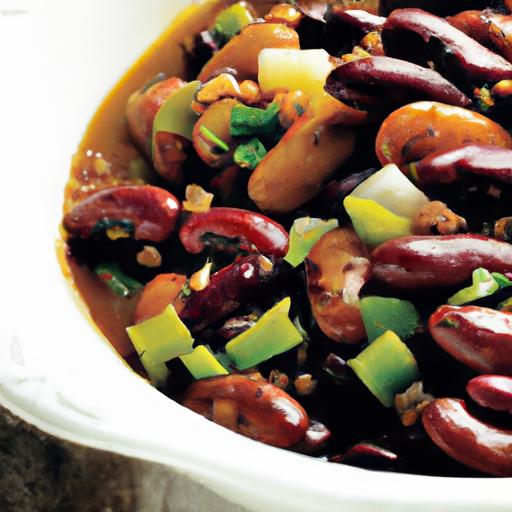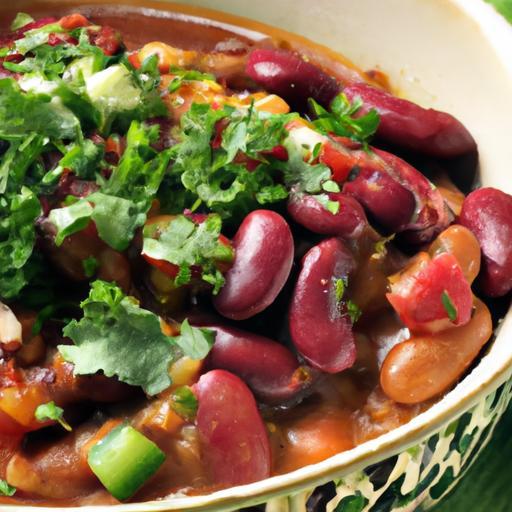
Hidden within the humble pod of the kidney bean lies a nutritional powerhouse waiting to be discovered. often overshadowed by flashier superfoods, kidney beans quietly pack a remarkable punch-bursting with protein, fiber, and a wealth of essential vitamins and minerals. In every bite of these vibrant legumes, there’s more than just a hearty texture and rich flavor; there’s a story of sustenance, health, and culinary versatility that has traveled through cultures and centuries. Join us as we peel back the layers and uncover the true nutritional power packed inside every kidney bean, revealing why this unassuming bean deserves a prominent place on your plate.
Kidney beans uncovered reveal an incredible nutrient powerhouse that’s as flavorful as it is beneficial. These vibrant red legumes trace back to ancient Central and south America, beloved across cultures for their hearty texture and subtle earthiness. Beyond their rich taste, kidney beans are nutritional dynamite-packed with protein, fiber, antioxidants, and essential minerals that help energize and sustain your body through any day.
Prep and Cook Time
- Planning: 8 hours (soaking kidney beans overnight)
- Cooking: 1 hour (simmering until tender)
Yield
Serves 4 hearty portions
Difficulty Level
Medium – requires attention to soaking and slow cooking for best texture
Ingredients
- 1 cup dried kidney beans, soaked overnight and drained
- 1 medium onion, finely chopped
- 3 cloves garlic, minced
- 1 medium carrot, diced
- 1 celery stalk, diced
- 1 teaspoon ground cumin
- 1 teaspoon smoked paprika
- ½ teaspoon dried oregano
- 1 bay leaf
- 4 cups low-sodium vegetable broth
- 2 tablespoons olive oil
- Salt and freshly ground black pepper, to taste
- Fresh cilantro or parsley, chopped (for garnish)
- 1 tablespoon freshly squeezed lemon juice (optional, for brightness)
Instructions
- Prepare your beans: After soaking overnight, rinse the kidney beans thoroughly under cold water to remove any residual sugars that cause digestion issues.
- Sauté aromatics: Heat olive oil in a heavy-bottomed pot over medium heat. Add the onion, garlic, carrot, and celery.Sauté until the vegetables are soft and the onion becomes translucent, about 7 minutes. Stir occasionally to avoid browning prematurely.
- Add spices: Sprinkle in the ground cumin, smoked paprika, and oregano. Stir for 1 minute to release their fragrant oils, awakening the dish’s deep flavor.
- cook the beans: Add the soaked kidney beans to the pot along with the bay leaf and vegetable broth. Bring to a gentle boil, then reduce heat to a simmer. Cover partially and let cook for 50-60 minutes, stirring occasionally, until the beans are tender yet intact.
- Season thoughtfully: Once cooked, season with salt and pepper to taste.Finish with fresh lemon juice for brightness and stir in chopped cilantro or parsley just before serving for a burst of fresh flavor and color.
- Serve: Ladle the warm kidney beans over steamed rice, quinoa, or your favorite whole grain. garnish with extra herbs and a drizzle of high-quality olive oil for richness.
Chef’s Notes: Tips for Success
- Soaking shortcut: If short on time, bring dried kidney beans to boil for 2 minutes, then remove from heat and soak for 1 hour. This helps reduce cooking time and enhances digestibility.
- Avoid mushiness: Keep beans at a low simmer and avoid over-stirring to prevent them from breaking apart, preserving their appealing texture.
- Flavor depth: Add a splash of tomato paste or a diced fresh tomato during the sauté stage for a tangier, richer flavor profile.
- Make ahead: cooked kidney beans store well in an airtight container refrigerated for up to 5 days or freeze them for future convenience.
- Substitution tips: Use canned kidney beans (rinse well to reduce sodium) if pressed for time but adjust seasoning to taste.
Serving Suggestions
This versatile kidney bean dish shines served atop a bed of nutrient-dense quinoa bowl, alongside roasted seasonal vegetables or wrapped inside warm whole wheat tortillas for satisfying burrito-style meals. Garnish with freshly chopped herbs, a dollop of creamy Greek yogurt, or thin slices of ripe avocado to elevate the presentation and add lush texture contrasts.
For an added crunch, sprinkle toasted pumpkin seeds or crushed toasted pita chips on top. A side of crisp cucumber salad dressed in lemon and fresh herbs balances the hearty beans beautifully.
| Nutrient | Amount per Serving |
|---|---|
| Calories | 220 kcal |
| Protein | 15 g |
| Carbohydrates | 35 g |
| Fat | 3 g |
| Dietary Fiber | 11 g |
| Iron | 3.5 mg (20% DV) |

For a extensive dive into plant-based protein powerhouses like kidney beans, check out this trusted guide from The British nutrition Foundation to unlock even more health benefits in your kitchen.
Q&A
Q&A: Kidney Beans Uncovered: Nutritional power in Every Bite
Q1: What makes kidney beans a nutritional powerhouse?
A1: Kidney beans are packed with plant-based protein, fiber, and essential minerals like iron, magnesium, and potassium. Their rich antioxidant content supports overall health, while the combination of nutrients helps maintain steady energy levels and supports digestive health.
Q2: How do kidney beans support heart health?
A2: Thanks to their high fiber and potassium content, kidney beans help lower bad cholesterol and regulate blood pressure. The fiber works to reduce plaque buildup in arteries, while potassium helps balance sodium levels, promoting healthy circulation and a strong heart.
Q3: Can kidney beans help with blood sugar control?
A3: Absolutely! Kidney beans have a low glycemic index and are rich in complex carbohydrates and fiber. This means they release sugars slowly into the bloodstream, helping to stabilize blood sugar levels and making them a great choice for people managing diabetes or looking to avoid energy crashes.Q4: How should kidney beans be prepared to maximize their nutritional benefits?
A4: Soaking kidney beans overnight reduces cooking time and helps eliminate natural toxins like lectins. Cooking them thoroughly until tender ensures they’re safe and digestible. For best nutritional impact, pair kidney beans with whole grains or fresh vegetables for a balanced, nutrient-rich meal.
Q5: Are kidney beans suitable for vegetarians and vegans?
A5: Yes! Kidney beans are a fantastic plant-based protein source that fits perfectly into vegetarian and vegan diets. They provide essential amino acids, fiber, and a wealth of vitamins and minerals that support muscle health, energy production, and overall vitality without relying on animal products.
Q6: How can I incorporate kidney beans into my everyday meals creatively?
A6: Kidney beans are incredibly versatile! Add them to vibrant salads, hearty soups, or spiced chili dishes for a protein boost. Blend them into veggie burgers or mash them with herbs and spices for a flavorful dip. Their mild, earthy flavor pairs well with a variety of spices and fresh produce.
Q7: Are canned kidney beans as nutritious as dried ones?
A7: canned kidney beans are convenient and still retain most of their nutrients, though they may contain added sodium. Rinsing canned beans thoroughly under cold water can reduce sodium content. For a lower-sodium option and greater control over texture, dried beans cooked from scratch are ideal.
Q8: What are some lesser-known benefits of regularly eating kidney beans?
A8: Beyond standard nutrition, kidney beans contain antioxidants like flavonoids and polyphenols that combat inflammation and oxidative stress. They also support gut health by feeding beneficial bacteria, enhancing digestion, and boosting immunity – truly a superfood in disguise!
Q9: Are there any precautions to consider before adding kidney beans to my diet?
A9: Raw or undercooked kidney beans contain a natural toxin called phytohaemagglutinin, which can cause digestive discomfort.Always soak beans well and boil them for at least 10 minutes to deactivate this toxin.If you have specific digestive issues, introduce kidney beans gradually to give your body time to adjust.
Q10: How do kidney beans contribute to enduring eating?
A10: Kidney beans have a low environmental footprint compared to animal proteins. They enrich soil by fixing nitrogen, reducing the need for synthetic fertilizers, and require less water and land. Choosing kidney beans supports both personal health and a healthier planet.
Explore the rich, nutritious world of kidney beans – a humble legume delivering powerhouse benefits in every bite!
The Way Forward
As we peel back the layers of the humble kidney bean, it becomes clear that this vibrant legume is far more than just a staple in hearty stews or chili pots. Packed with protein, fiber, essential vitamins, and minerals, kidney beans are a nutritional powerhouse wrapped in a colorful package. Incorporating them into your meals isn’t just a tasty choice-it’s a step toward better health, sustained energy, and a happier gut. So next time you reach for a can or bag of beans, remember that within every bite lies a world of nourishment waiting to fuel your body and delight your palate. embrace the kidney bean, and let its benefits enrich your kitchen and lifestyle alike.