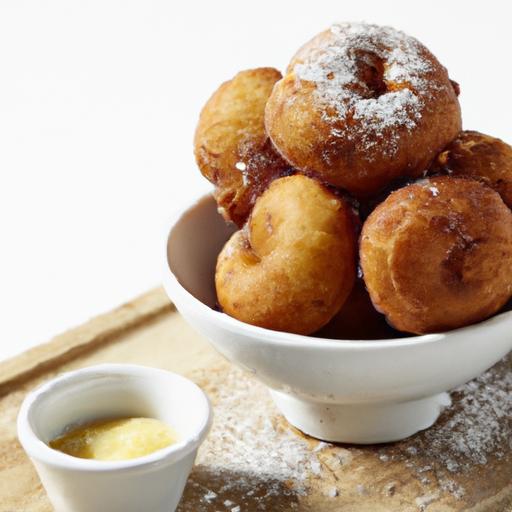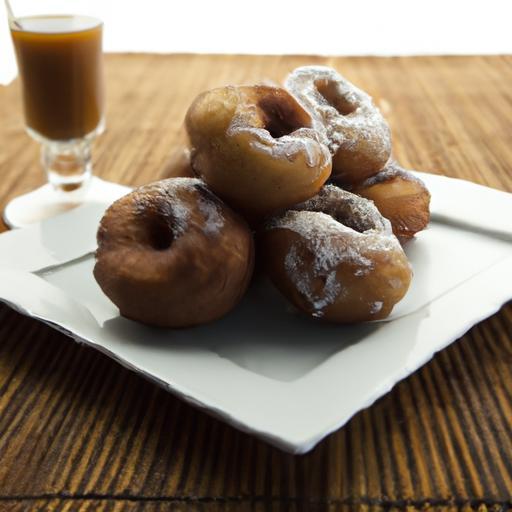
nestled within the vibrant tapestry of South African cuisine lies a sweet secret that has captivated taste buds for generations: the koesister.This spiced doughnut delight, with its golden, crispy exterior and fragrant, syrup-soaked heart, is more than just a treat-it’s a cultural story fried to perfection. From bustling townships to quiet kitchen tables, koesisters offer a glimpse into the rich heritage and communal spirit of South Africa’s diverse communities.Join us as we uncover the origins, flavors, and traditions behind this beloved spiced doughnut, revealing why the humble koesister has earned its place as a cherished national treasure.
The Origins and Cultural Importance of Koesisters in South African Heritage
Koesisters Uncovered invites you to journey into the heart of South African culture, where this spiced doughnut delight holds a cherished place in history and daily life. Originating from the Cape Malay community, Koesisters are more than just a sweet treat-they are a symbol of heritage, communal ties, and festive celebrations. Traditionally enjoyed during gatherings and special occasions, these golden, syrup-drenched balls carry a story of resilience, blending Indonesian, Malay, and Dutch culinary influences introduced centuries ago. The aromatic spices like cinnamon, ginger, and cardamom tell tales of ancient trade routes, while the unique preparation method reflects a cultural artistry passed down through generations.Relishing a Koesister is not just about taste but connecting with a vibrant legacy of warmth and togetherness.
Prep and cook Time
- Preparation Time: 20 minutes
- Rising Time: 1 hour
- Cooking Time: 15 minutes
- Total Time: Approximately 1 hour 35 minutes
Yield
Makes 20-24 perfectly spiced Koesisters
Difficulty Level
Medium – requires attention to dough consistency and frying technique
The Art of Making Perfectly Spiced Koesisters: Ingredients and Techniques Explained
Mastering the authentic Koesisters Uncovered recipe hinges on the balance between the fragrant spice blend and the syrup glaze that forms its signature sticky coat. The dough, soft yet sturdy, is lightly fried to create a crispy exterior with an irresistibly tender interior. Key to success is the use of fresh spices-ground cinnamon, ginger, and a hint of cardamom-combined with yeast for gentle aeration. The dough must rise sufficiently to ensure lightness but remain moist enough to soak in the honey and sugar syrup. The batter’s elasticity and frying temperature (around 180°C) work together to give these doughnuts their golden brown crust and vivid aroma. This customary recipe avoids shortcuts, embracing slow fermentation and careful soaking in the spiced syrup to achieve the perfect harmony of texture and flavor.
Ingredients
- 3 cups all-purpose flour,sifted
- 2 tsp instant dry yeast
- 1/4 cup warm milk (not hot)
- 1/2 cup sugar
- 1/2 tsp salt
- 1 tbsp ground cinnamon
- 1 tsp ground ginger
- 1/2 tsp ground cardamom
- 1 large egg,beaten
- 1/4 cup vegetable oil (plus more for frying)
- 1/3 cup water,lukewarm
- For syrup glaze:
- 1 cup sugar
- 1/2 cup water
- 1 tbsp honey
- 1 tsp cinnamon stick or ground cinnamon
- 1 tbsp desiccated coconut,for rolling (optional)
instructions
- Activate the yeast: In a small bowl,dissolve yeast in warm milk with a pinch of sugar. Let it sit for 5-7 minutes until frothy.
- Mix dry ingredients: In a large mixing bowl, combine sifted flour, sugar, salt, cinnamon, ginger, and cardamom.
- Combine wet ingredients: Add the beaten egg, vegetable oil, lukewarm water, and activated yeast mixture to the dry ingredients. Mix to form a soft, pliable dough.
- Knead: Turn the dough onto a floured surface and knead for about 8-10 minutes until smooth and elastic.
- First proof: Place dough in a lightly oiled bowl,cover with a damp cloth,and let it rise in a warm spot for 1 hour or until doubled in size.
- Make syrup glaze: While dough is rising, combine sugar, water, honey, and cinnamon stick in a saucepan. Bring to a boil, then simmer for 10 minutes until slightly thickened. Remove cinnamon stick and keep warm.
- Shape Koesisters: Punch down risen dough.Pinch off small portions (about a golf ball size). Roll into balls and then slightly flatten them.
- Heat oil for frying: In a deep skillet or pot, heat vegetable oil to 180°C (350°F). Use a thermometer for accuracy.
- Fry doughnuts: Fry Koesisters in batches, turning frequently, for about 4-5 minutes until golden brown and cooked through.
- Syrup soak: Using a slotted spoon, instantly transfer hot doughnuts into the warm syrup glaze. Let them soak for 2 minutes, turning gently to coat evenly.
- Optional rolling: Roll the soaked Koesisters in desiccated coconut for a traditional finishing touch.
- Drain and serve: Place on a wire rack or parchment paper to set. Serve warm for the best experience.
Tips for success
- Warm liquids,not hot: Activate yeast with warm (not hot) milk to avoid killing it.
- Consistent frying temperature: Use a deep-fry thermometer to keep oil at a steady 180°C. Too hot means burnt outside and raw inside; too cool results in greasy Koesisters.
- Rest the dough: don’t rush the proofing-proper rising is vital to the light texture.
- Syrup soak timing: Soak doughnuts immediately after frying while still hot so they absorb the syrup fully but don’t get soggy.
- Make-ahead: Dough can be refrigerated after the first rise and shaped/fried within 24 hours. Bring to room temperature before frying.
- Substitutions: Use coconut oil for frying to add subtle tropical notes and a crispier crust.
Flavor Profiles and Variations: Exploring Regional Twists on the Classic Recipe
The beauty of Koesisters Uncovered lies in the interplay of warm spices and syrup sweetness, but throughout South Africa, regional adaptations bring vibrant surprises. In coastal areas, coconut is generously mixed into the coating, lending a tropical crunch. Some communities blend powdered aniseed or clove to intensify the aroma. For a bold twist, swap white sugar for raw brown sugar in the syrup for a deep molasses flavor and darker color. Innovative bakers experiment by adding orange zest to the dough or syrup, infusing citrusy brightness that cuts through the sweetness. Vegan and gluten-free interpretations also flourish-using plant-based milk, egg replacers, and alternative flours like spelt while preserving the soulful essence of the treat. Each variation respects the dish’s roots while celebrating local tastes, making koesisters a canvas for culinary creativity.
Serving Suggestions and Pairings to Elevate Your Koesister Experience
Serving your homemade Koesisters Uncovered is a celebration in itself. Present these spiced gems warm, stacked on a vibrant ceramic platter garnished with fresh mint leaves or edible flowers for visual contrast. Offer alongside a steaming cup of rooibos tea or aromatic spiced chai to complement the warm cinnamon and ginger notes. For breakfast indulgence, pair with thick vanilla yogurt and a drizzle of honey or even fresh sliced seasonal fruits to balance sweetness with refreshing acidity. For a festive touch, sprinkle extra desiccated coconut or crushed toasted almonds over the dish. Koesisters also shine at afternoon teas and market stalls, perfectly enjoyed with a side of berry compote or a scoop of homemade ice cream, embracing contrasts of hot and cold, crispy and creamy. Their rich aroma and nostalgic flavor make every bite a moment to treasure.
| Nutrient | Per Serving (1 Koesister) |
|---|---|
| Calories | 150 kcal |
| Protein | 2 g |
| Carbohydrates | 28 g |
| Fat | 4.5 g |

for more on South African traditional treats, check out our exploration of iconic desserts. For the historical spice influences shaping Koesister flavors, visit Encyclopedia Britannica’s spice trade history.
Q&A
Koesisters Uncovered: South Africa’s Spiced Doughnut Delight – Q&A
Q1: What exactly are koesisters?
A1: Koesisters are a beloved South African treat-sweet, spiced doughnuts that boast a crunchy exterior and a soft, syrupy inside. Originating from the Cape Malay community, these golden balls are infused with exotic spices and drenched in sticky syrup, creating a delicious harmony of flavors and textures.
Q2: How do koesisters differ from typical doughnuts?
A2: Unlike the fluffy glazed doughnuts common worldwide, koesisters have a unique fusion of spices like cinnamon and cardamom, combined with a slight tang from yeast fermentation. After frying, they’re soaked in a syrup infused with sugar and spices, giving them a juicy bite rather than a dry crumb.
Q3: What spices give koesisters their signature flavor?
A3: Classic koesisters boast a fragrant blend of cinnamon, cardamom, and sometimes ginger or clove. These spices-rooted in Cape Malay culinary traditions-imbue the doughnut with a warm, exotic aroma and taste that make every bite a flavorful adventure.
Q4: what is the cultural significance of koesisters in South Africa?
A4: Koesisters are more than just a snack-they are a cherished symbol of community and heritage within the Cape Malay culture. Frequently enough prepared for festive occasions, family gatherings, and celebrations, they tell the story of South Africa’s diverse culinary fabric and the blending of different cultures.
Q5: How are koesisters traditionally made?
A5: Traditionally, a yeast-based dough is mixed with flour, sugar, butter, and ground spices. The dough is then shaped into bite-sized balls and deep-fried until golden brown. Immediately after frying, the koesisters are tossed in a fragrant syrup made from sugar, water, and spices, ensuring they’re sweet, sticky, and irresistibly tender.
Q6: Can koesisters be enjoyed any time of the day?
A6: Absolutely! Whether as a morning treat with a cup of tea, a midday snack, or a sweet ending to a meal, koesisters fit perfectly into any moment craving comfort and warmth. Their blend of spice and sweetness makes them suitable for all ages and occasions.
Q7: Are there regional variations of koesisters within South Africa?
A7: Yes, different communities put their own twist on the classic recipe. Some may add coconut flakes atop the syrup for extra texture, while others experiment with different spice combinations or serve them with a dusting of powdered sugar. However, the essence of spicy, syrup-soaked doughnuts remains constant.
Q8: How do you best store koesisters to enjoy later?
A8: Koesisters are best enjoyed fresh due to their syrupy texture. However, if needed, they can be stored in an airtight container at room temperature for a day or two. Reheating them briefly in a warm oven can help revive their crispness and melt the syrup just right.
Q9: Can koesisters be made gluten-free or with alternative flours?
A9: With some experimentation, yes! While the traditional recipe relies on wheat flour for structure and chew, gluten-free alternatives like rice flour or a blend of gluten-free baking mixes can be used. Adjustments to hydration and rising time may be necessary to capture the perfect texture.
Q10: What makes koesisters a must-try for food explorers?
A10: Koesisters encapsulate the essence of South Africa’s multicultural heritage, blending spices, sweetness, and tradition into a single bite. For anyone curious about world cuisines,tasting a koesister is like unlocking a delicious story steeped in history,community,and culinary magic.
In Conclusion
As the warm,cinnamon-scented aroma of koesisters wafts through the bustling streets of South africa,it tells a story far richer than its golden,spiced exterior suggests. More than just a delicious treat,koesisters are a vibrant symbol of cultural heritage,community,and culinary creativity that has evolved over generations. Whether enjoyed fresh from a market stall or shared among friends during festive gatherings, these spiced doughnuts offer a sweet taste of history and tradition.Uncovering the layers of flavor and meaning behind the koesister not only satisfies the palate but also connects us to the diverse tapestry that is South African culture-one scrumptious bite at a time.