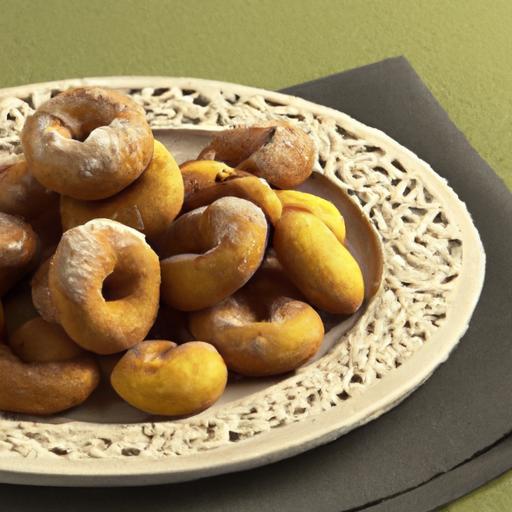
In the vibrant tapestry of South Africa’s culinary heritage, few treats capture the spirit of community and celebration quite like the beloved koesister. Frequently enough described as a spiced, syrup-soaked doughnut, the koesister is far more than just a sweet indulgence-it’s a symbol of history, culture, and the blending of flavors that tell a story of tradition and resilience. “Koesisters Unwrapped: south Africa’s Spiced Doughnut Delight” invites you on a flavorful journey through the origins, unique ingredients, and cherished customs that make this humble pastry a treasured icon. Prepare to peek behind the glaze and discover how a simple fried dough ball became a mouthwatering emblem of South African identity.
Koesisters are more than just a spiced treat; they are an emblem of South African heritage,weaving together flavors and stories passed down through generations. Frequently enough described as a fusion of fluffy dough and aromatic spices, these golden, syrup-drenched doughnuts capture the soul of Cape malay culture and the collective warmth of community gatherings.Embarking on the journey to make Koesisters at home reveals a tender glimpse into South Africa’s culinary history and delivers an unforgettable taste that lingers on the palate.
Prep and Cook Time
- Readiness: 20 minutes
- Rising Time: 1 hour
- Cooking time: 15 minutes
- Total Time: 1 hour 35 minutes
Yield
Approximately 20 Koesisters, perfect for sharing or savoring over a few days.
Difficulty Level
Medium: Requires patience for dough rising and frying technique, but simple once familiar with the steps.
Ingredients
- 4 cups all-purpose flour, sifted
- 1 tablespoon instant dry yeast
- 1 cup lukewarm milk
- ⅓ cup granulated sugar
- ½ teaspoon salt
- 1 large egg
- 4 tablespoons unsalted butter, softened
- 2 teaspoons white vinegar
- Cooking oil for deep frying
- for the syrup: 2 cups sugar, 2 cups water, 1 cinnamon stick
- For the spice blend: 2 teaspoons ground cinnamon, 1 teaspoon ground ginger, ½ teaspoon ground cardamom, ½ teaspoon ground aniseed
- Desiccated coconut for coating
Instructions
- Activate the yeast: In a small bowl, combine lukewarm milk and sugar. Sprinkle in the instant dry yeast and let it foam for 5-7 minutes. This step confirms your yeast is active and ready to raise the dough.
- Prepare the dough: In a large mixing bowl, sift the flour and salt together. Make a well in the centre and add the yeast mixture, the egg, softened butter, and white vinegar. Stir gently to combine.
- Knead: Turn the dough onto a well-floured surface and knead for about 8-10 minutes until smooth and elastic. If the dough feels sticky,sprinkle in a little more flour,but be cautious not to dry it out.
- First rise: Place the dough in a lightly greased bowl,cover with a clean tea towel,and let rise in a warm place for 1 hour or until doubled in size. This aerates the dough, essential for a light texture.
- shape the doughnuts: Punch down the dough and roll it out to roughly ½-inch thickness. Cut into small squares or triangles (about 2 inches each). Customary shapes vary, so feel free to improvise!
- Second rise: Lay the shaped dough on a floured baking sheet, cover, and let rise for another 20 minutes.
- Prepare the syrup: In a saucepan, combine sugar, water, and cinnamon stick. Bring to a boil, than simmer until slightly thickened (about 10 minutes). Remove from heat and discard the cinnamon stick.
- Mix the spice blend: In a small bowl,whisk together cinnamon,ginger,cardamom,and aniseed. This aromatic blend transforms ordinary doughnuts into Koesisters with their signature warm, inviting scent.
- heat the oil: Using a deep-fat fryer or a heavy-bottomed pot, heat the cooking oil to 175°C (350°F). Use a thermometer for accuracy – too hot and the doughnuts burn, too cool and they absorb oil.
- Fry the dough: Gently lower a few pieces into the hot oil, avoiding overcrowding. Fry until they turn golden brown, about 3-4 minutes per side, turning carefully.
- Syrup soak: Remove the fried doughnuts with a slotted spoon and promptly transfer them to the warm syrup, letting them soak for 1-2 minutes to absorb sweetness and moisture.
- Coat with coconut and spices: Roll the soaked doughnuts in the spice blend, then generously coat with desiccated coconut. this final step adds texture and an extra layer of flavor complexity.
- Serve warm or at room temperature: Koesisters are best enjoyed fresh but keep well in an airtight container for up to 2 days.
Tips for Success
- Consistency is key: Your dough should feel supple and slightly sticky but not hard to handle. Adjust flour quantities carefully during kneading.
- maintain oil temperature: Use a kitchen thermometer. Frying at the right heat ensures Koesisters cook evenly without absorbing excess oil.
- Syrup temperature matters: Keep the syrup warm, not boiling hot, when soaking doughnuts for optimal absorption and texture.
- spice variations: Feel free to experiment gradually with nutmeg or cloves, but keep the core blend intact to honor tradition.
- Make-ahead: Dough can be prepared and refrigerated overnight. Allow it to come to room temperature and complete rising before shaping and frying.
- Alternative coatings: For a twist, try finely chopped toasted nuts mixed with coconut for crunch.
Serving Suggestions and Pairings to elevate Your Koesister Experience
The true joy of Koesisters lies not only in their sweet and spicy explosion of flavors but how they are served. Present these golden doughnuts on a rustic wooden board or a vibrant ethnic-patterned platter to celebrate their cultural roots.
Enhance the experience by pairing with warm beverages like:
- Strong Rooibos tea – its earthy undertones balance the sweet syrup perfectly.
- Chai latte – spices in the chai highlight the aromatic Koesister blend.
- Simple black coffee - to cut through the richness and sharpen the palate.
garnish the serving plate with fresh mint sprigs or edible flowers to add a splash of colour and subtle freshness.
| Nutrition (per serving) | Amount |
|---|---|
| Calories | 210 kcal |
| Protein | 4 g |
| Carbohydrates | 32 g |
| Fat | 7 g |

Discover more traditional South African treats and their cultural stories in our complete guide to South African desserts. For an in-depth look at yeast dough science, check out this informative king Arthur Baking yeast guide.
Q&A
Q&A: Koesisters Unwrapped: South Africa’s Spiced Doughnut Delight
Q1: What exactly are koesisters?
A: koesisters are a beloved South African treat-plump, braided doughnuts infused with a warm blend of spices and soaked in a sticky, sweet syrup.They greet your palate with a delightful fusion of crunchy exterior and soft, aromatic insides, making each bite a celebration of flavor and culture.
Q2: Where did koesisters originate?
A: Koesisters trace their roots to the Cape Malay community in south Africa, where early settlers brought rich culinary traditions from Southeast Asia. Over time, the recipe evolved into a unique South African icon, intertwining diverse cultural influences into one delicious package.
Q3: What spices give koesisters their signature flavor?
A: The magic lies in the aromatic blend of cinnamon, aniseed, and ginger, ofen complemented by cardamom and coriander seeds. This vibrant spice cocktail transforms simple dough into a fragrant,irresistible delight that defines the koesister experience.
Q4: How are koesisters traditionally prepared?
A: The process begins with a yeast-leavened dough, kneaded until smooth and shaped into distinctive braided knots. These dough shapes are deep-fried until golden brown, then immediately dunked into a hot syrup made from sugar, water, and aromatic spices, creating a glossy, sticky coating that locks in sweetness.
Q5: How do koesisters differ from other doughnuts?
A: Unlike the airy,often plain doughnuts found worldwide,koesisters boast a chewy texture enriched with a spicy kick and a syrupy glaze that soaks deep into their folds. Their braided form and intense spice profile offer a uniquely South African twist on the classic fried dough treat.
Q6: Can koesisters be enjoyed any time of day?
A: Absolutely! Koesisters make an excellent companion to morning coffee or afternoon tea, but their sweet, comforting nature means they’re welcome whenever a craving for something special strikes. They also shine at social gatherings, adding a touch of tradition and warmth to any table.
Q7: Are koesisters suitable for vegetarians?
A: Yes! Koesisters are typically made from flour, sugar, spices, yeast, and vegetable oil or butter, making them a vegetarian-kind indulgence.Their wholesome ingredients ensure that everyone can enjoy this cultural treasure without compromise.
Q8: Can I try making koesisters at home?
A: Definitely! While the art of perfecting koesisters takes a bit of practice to master the right dough consistency and syrup texture, home cooks can recreate this South African delight with patience and love. Many recipes are available that walk you through each fragrant,sticky step.
Q9: What drinks pair well with koesisters?
A: Koesisters love company-especially a warm, spiced chai or a rich rooibos tea. These beverages complement the doughnuts’ cinnamon and ginger notes, creating a cozy, harmonious flavor experience perfect for chilly mornings or leisurely afternoons.
Q10: Why are koesisters culturally meaningful in South Africa?
A: Beyond their irresistible taste, koesisters represent a melding of cultural histories and culinary ingenuity. They celebrate the Cape malay heritage, embody community spirit, and serve as edible storytelling-a sugary bridge linking past traditions to present-day South African identity.
The Conclusion
As the final crumb settles and the sweet aroma lingers, the story of the koesister reminds us that food is more than just sustenance-it’s a cultural thread woven through time and tradition. From the bustling kitchens of Cape Malay bakeries to the welcoming hands that share them at family gatherings, koesisters embody a unique blend of history, spice, and community spirit. Whether you bite into one glazed with syrup or dusted with coconut,each koesister offers a taste of South Africa’s rich heritage-an unwrapped delight that invites you to savor not just a doughnut,but a story centuries in the making. So next time a craving strikes, reach for a koesister and let its flavors carry you on a journey across flavors and generations.