Every spring, as Easter bells chime across Bulgaria, kitchens come alive with the warm, inviting aroma of Kozunak-an age-old sweet bread that’s much more than just a festive treat. Nestled at the heart of Bulgarian Easter traditions, Kozunak is a golden, braided delight that tells stories of family gatherings, centuries-old recipes, and cultural heritage kneaded lovingly into every loaf. In this article, we’ll unwrap the layers of Kozunak’s rich history, explore it’s unique ingredients, and discover why this luscious bread remains Bulgaria’s sweetest Easter treasure. Whether you’re a curious foodie or a history enthusiast, prepare to embark on a delectable journey thru one of Bulgaria’s most cherished culinary customs.
Kozunak Unwrapped invites you to experience Bulgaria’s cherished Easter treasure, a sweet, braided bread symbolizing renewal, family ties, and festive joy. This velvety loaf has been lovingly baked for centuries, its golden crust and tender crumb embodying both tradition and celebration. Growing up, the soulful aroma of kozunak baking in my grandmother’s kitchen was a herald of spring’s arrival-its delicate sweetness a true comfort, bringing generations together around the Easter table.
Prep and Cook Time
- Planning: 30 minutes (plus 2 hours rising time)
- Cooking: 40 minutes
- Total Time: Approximately 3 hours 10 minutes
Yield
One large loaf (about 10-12 slices), serving 8 to 10 people
Difficulty Level
Medium - Perfect for excited home bakers ready to master a rewarding, hands-on customary bread.
The Origins and Cultural Significance of Kozunak Unwrapped in Bulgarian Easter Traditions
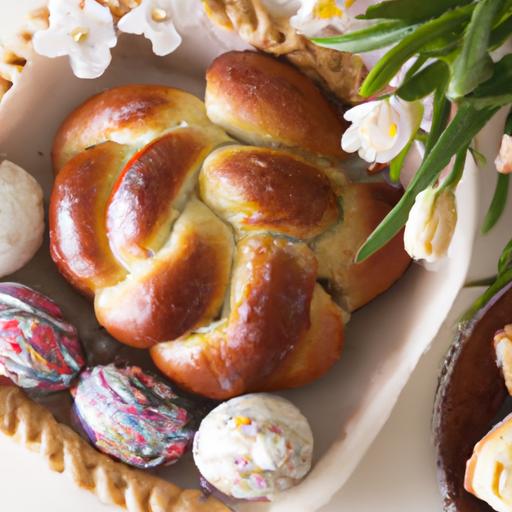
Rooted deep in Bulgaria’s rich tapestry of Orthodox Christian customs,kozunak is much more than just a dessert. This sweet bread, braided meticulously to echo fertility and continuity, is a springtime emblem, baked to honor Christ’s resurrection.The dough,enriched with eggs,butter,and sugar,is often adorned with glossy egg yolk wash and sometimes sprinkled with almonds or raisins,making it both a symbol and a centerpiece of Easter blessings.
The act of baking kozunak is a treasured ritual that connects family members-each braid intertwining stories, love, and hope for prosperity. In many Bulgarian villages, the first slice is offered to the home’s eldest to symbolize respect and gratitude, a practice that underscores the cultural warmth enveloping this delightful bread.
Mastering the Art of Kozunak Unwrapped: Essential Ingredients and Techniques
- 500g (4 cups) all-purpose flour, sifted
- 200ml (¾ cup plus 1 tbsp) whole milk, warmed (about 110°F/43°C)
- 100g (½ cup) granulated sugar
- 100g (7 tbsp) unsalted butter, melted and cooled
- 3 large eggs, room temperature
- 7g (2¼ tsp) active dry yeast
- 1 tsp pure vanilla extract
- ½ tsp salt
- 100g (⅔ cup) golden raisins or sultanas (optional)
- Zest of 1 lemon
- 1 egg yolk (for egg wash)
- Almond slices for garnish (optional)
- Activate the yeast: In a small bowl, combine warm milk, 1 tbsp sugar, and yeast. Stir gently and let it stand for 8-10 minutes until frothy, indicating active yeast.
- Mix the dough: In a large bowl, whisk eggs with remaining sugar, vanilla extract, lemon zest, melted butter, and salt. Add the yeast mixture and stir to combine.
- Incorporate the flour: Gradually sift in the flour,mixing with a wooden spoon or dough hook attachment on low speed until a soft dough forms.
- Knead with care: Turn the dough onto a lightly floured surface and knead for about 10 minutes until smooth, elastic, and slightly tacky-not sticky.
- First rise: Shape dough into a ball,place in a greased bowl,cover with a clean kitchen towel or plastic wrap,and let it rise in a warm draft-free spot for about 1.5 to 2 hours until doubled in size.
- Add the raisins: Lightly toss raisins in flour and gently fold into the dough after the first rise to evenly distribute them without weighing down the bread.
- Shape the braid: Divide dough into three equal parts and roll each into long ropes, around 12 inches each. Braid tightly but gently to maintain dough’s fluffiness, and pinch ends to seal.
- Second rise: Transfer the braid to a parchment-lined baking tray. Cover loosely and let it rise for 30-45 minutes until puffy.
- Prepare egg wash: Beat egg yolk with a teaspoon of water. Brush generously over the braid’s surface for a glossy, golden crust. Sprinkle almond slices if desired.
- Bake to perfection: Preheat oven to 350°F (175°C). Bake the kozunak for 35-40 minutes, rotating halfway through, until deep golden brown and hollow-sounding when tapped.
- Cool: Transfer bread to a wire rack, cool completely before slicing to preserve moisture and texture.
Creative Flavor Twists to elevate Your Kozunak Unwrapped Experience
Elevate your kozunak by thoughtfully incorporating exciting yet classic variations. Try swirling in a cinnamon-sugar mix or swapping golden raisins for finely chopped walnuts or pistachios for added texture. For a subtle citrus burst, fold in small pieces of candied orange peel alongside the lemon zest.Pureed pumpkin or mashed sweet potato gently kneaded into the dough can impart a lovely hue and seasonal warmth. Just remember to adjust liquid ratios slightly for each swap! For an indulgent finish, drizzle your slices with a light honey glaze or dust with powdered sugar.
serving suggestions and Pairings to Celebrate with Kozunak Unwrapped
Kozunak pairs beautifully at the center of your Easter banquet, complemented by traditional sides. Serve thick slices at breakfast with a spread of creamy clotted cream or rich Bulgarian kūfir yogurt and seasonal fresh berries. An assortment of mild cheeses and fresh fruit presents a festive brunch option, while a pot of hot black tea or mild coffee helps balance the sweetness. For a crowd-pleasing dessert, toast slices lightly and accompany with whipped mascarpone and a drizzle of wild honey.
Garnish your serving platter with sprigs of fresh mint, edible flowers, or a scattering of toasted almonds for an inviting presentation.This bread is wonderfully adaptable-perfect for sharing and savoring, just as Bulgarians have done for centuries.
| Nutritional Info (per slice) | Calories | Protein | Carbs | Fat |
|---|---|---|---|---|
| 1 slice (~80g) | 230 kcal | 6g | 38g | 5g |
Tips for Success When Baking Kozunak Unwrapped
- Warmth is your friend: Ensuring your liquids are lukewarm helps activate yeast without killing it-aim for around 110°F (43°C).
- kneading matters: Proper kneading builds gluten structure, resulting in that iconic fluffy texture. Resist adding extra flour unless the dough is overly sticky.
- Rest and patience: Allowing both the first and second rise to complete naturally ensures maximum volume and tender crumb.
- Egg wash magic: Don’t skip this step-egg wash lends the bread its signature shiny, golden crust that’s visually irresistible.
- Storage: Keep leftover kozunak wrapped tightly at room temperature for 2-3 days or freeze in airtight bags to maintain freshness.
Discover more about traditional Eastern European breads in our Bulgarian Pastries Guide and deepen your connection to the rich culinary history behind every bite. For scientific insights into yeast fermentation and bread rising, visit the Encyclopaedia Britannica’s Bread Baking article.

Q&A
Q&A: Kozunak Unwrapped: Bulgaria’s Sweet Easter Treasure
Q1: What exactly is Kozunak and why is it so special in Bulgarian culture?
A1: Kozunak is a traditional Bulgarian sweet bread, lovingly baked especially for Easter. Its golden, fluffy crumb and delicate aroma evoke the joy and renewal of spring, symbolizing rebirth and festivity. Passed down through generations, Kozunak is more than just a dessert-it’s a ritual that brings families together around the table.
Q2: How does Kozunak differ from other sweet breads found around the world?
A2: While many cultures celebrate with braided breads or enriched doughs, Kozunak stands out due to its unique combination of ingredients and preparation. It features a rich, egg-laden dough, often enriched with lemon zest and vanilla, and commonly studded with raisins or nuts. Its signature braided shape not only looks beautiful but also represents unity and continuity in Bulgarian tradition.
Q3: what makes the baking process of Kozunak unique or challenging?
A3: Kozunak demands patience and care. The dough requires thorough kneading and careful rising to achieve its light, airy texture. braiding the dough is an art form in itself-each braid woven with intention and love. the slow baking process gives Kozunak its characteristic golden crust and tender crumb, making the wait all the more rewarding.
Q4: Are there any traditional toppings or fillings that make Kozunak truly authentic?
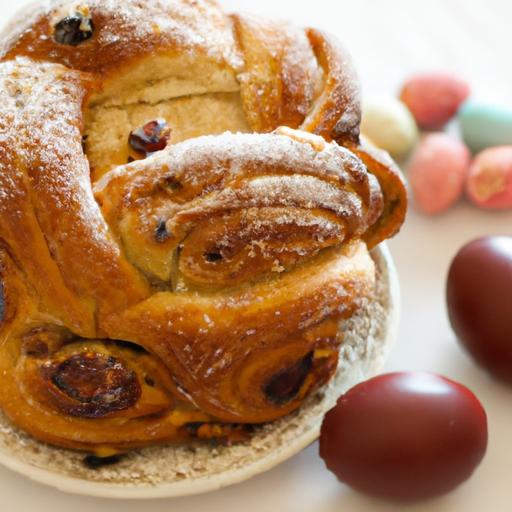
A4: Traditional Kozunak often includes aromatic lemon or orange zest and is generously dotted with plump raisins or walnuts. Some families add a sprinkle of powdered sugar on top after baking. While recipes vary by region and household, thes classic touches highlight the natural sweetness and warmth of the bread without overpowering its delicate flavor.
Q5: How is Kozunak enjoyed during Easter celebrations in Bulgaria?
A5: Kozunak is the centerpiece of Bulgarian Easter tables.It is often shared alongside painted eggs, symbolizing life and renewal. Families break and share slices of Kozunak, sometimes dipping them in honey or spreading them with butter. The sweet bread marks the end of Lent, a time of fasting, making its presence at the feast all the more meaningful and joyful.
Q6: Can Kozunak be adapted for modern or international kitchens without losing its essence?
A6: Absolutely! While traditional Kozunak calls for specific techniques and ingredients, home bakers worldwide can tweak recipes using familiar pantry staples without compromising authenticity. The key lies in balancing the richness of eggs and butter with fragrant zest and a gentle hand during kneading and braiding. Whether baked in a loaf pan or braided free-form, Kozunak’s spirit shines through.
Q7: What cultural values does Kozunak represent beyond being just a festive treat?
A7: Kozunak is a symbol of family, heritage, and celebration. It embodies the Bulgarian values of hospitality, craftsmanship, and respect for tradition. Preparing Kozunak is an act of love that connects generations-grandparents teaching grandchildren, neighbors sharing recipes-ensuring the sweet bread remains a cherished link to the past and a beacon for future celebrations.
in Retrospect
As the aroma of freshly baked Kozunak fills the air each spring, it carries with it more than just the promise of sweetness-it carries centuries of tradition, celebration, and Bulgarian heart. This golden, braided treasure isn’t just a festive treat; it’s a appetizing thread that weaves together family, faith, and cultural heritage. Whether enjoyed plain, studded with raisins, or enriched with rich fillings, kozunak remains a symbol of renewal and joy, inviting each of us to unwrap not only its tender crumb but also the stories and spirit of Bulgaria’s Easter embrace. So next time you savor a slice, remember: you’re tasting a piece of history, lovingly baked and eternally cherished.