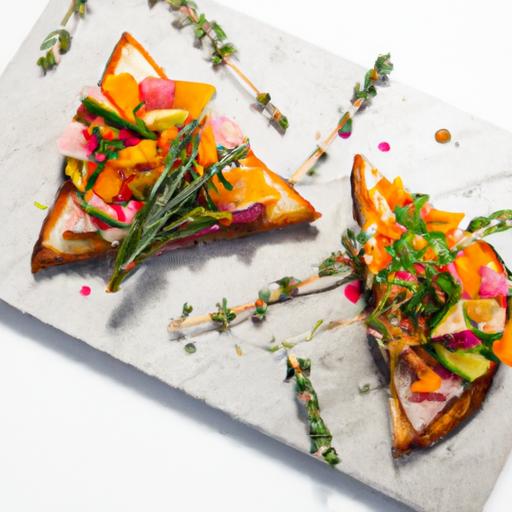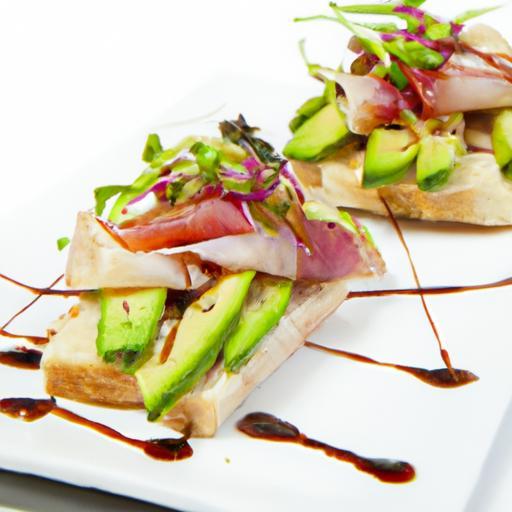
In the vibrant tapestry of global cuisine, few traditions capture the heart and palate quite like the Danish open sandwich, or smørrebrød. These “layered delights” are more than just a meal; they are an artful expression of Denmark’s rich culinary heritage, were simplicity meets sophistication on a single slice of dark rye bread. From the carefully chosen ingredients to the meticulous assembly, each open sandwich tells a story-of seasonality, culture, and creativity. Join us as we delve into the captivating world of Danish smørrebrød, uncovering the history, techniques, and flavors that make these open-faced masterpieces a cherished emblem of Scandinavian dining.
Layered Delights: Exploring the Art of Danish Open Sandwiches brings you into the heart of Denmark’s most iconic culinary tradition-smørrebrød.These exquisite open-faced sandwiches have been a beloved staple since the 19th century, evolving from simple rye bread snacks enjoyed by Danish workers to elegant presentations that marry fresh, vibrant ingredients with artisanal craftsmanship. What makes these sandwiches truly special is their harmony of texture, color, and flavor, a sensory symphony that invites you to savor each bite with delight and curiosity.
Prep and Cook Time
- Planning: 25 minutes
- Cook Time: 40 minutes
- Total Time: 1 hour 5 minutes
Yield
- Serves 4 elegantly plated open sandwiches
Difficulty Level
- Medium – perfect for home cooks ready to explore layering flavors and textures
Ingredients
- For the Rye bread base:
- 2 cups whole rye flour
- 1 cup all-purpose flour, sifted
- 1 1/4 cups warm water (110°F/43°C)
- 2 tsp active dry yeast
- 1 tsp salt
- 1 tbsp molasses
- 2 tbsp unsalted butter, melted
- Fresh Ingredients & Toppings:
- 200g smoked salmon, thinly sliced
- 4 hard-boiled eggs, sliced
- 1 small red onion, finely sliced
- 1 cup pickled cucumbers, thinly sliced
- Fresh dill sprigs
- 1 tbsp capers, rinsed
- Butter or a smear of cream cheese (optional)
- Fresh radishes, thinly sliced for garnish
- lemon wedges (for serving)
Step-by-Step instructions
- Activate the yeast: In a small bowl, combine warm water, molasses, and yeast. Stir gently and let it sit for about 5-7 minutes until foamy.
- Make the dough: In a large mixing bowl, whisk the rye flour, all-purpose flour, and salt. Gradually pour in the yeast mixture and melted butter while stirring to form a sticky dough.
- Knead: On a lightly floured surface, knead the dough for 8-10 minutes until smooth but still slightly tacky. Use minimal flour to maintain moisture.
- First rise: Place dough in a greased bowl, cover with a damp cloth, and let it rise in a warm place for 45 minutes to 1 hour, or until doubled in size.
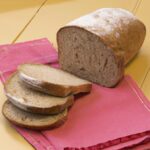
- Shape and bake: Preheat the oven to 375°F (190°C). Shape the dough into a rustic round loaf on a parchment-lined baking sheet. Score the top lightly with a sharp knife.
- Bake: Bake for 35-40 minutes,until the crust is firm and a skewer inserted comes out clean. Cool completely on a wire rack before slicing.
- Prepare the toppings: While the bread cools,slice your smoked salmon,eggs,onions,and cucumbers. Arrange fresh dill and capers in bowls for easy layering.
- Assemble your open sandwiches: Slice the rye bread about 1/2 inch thick.Spread a thin layer of butter or cream cheese if desired. Layer smoked salmon or eggs,arrange onions and pickles elegantly,and finish with garnishes like radishes,dill,and capers.
- Serve promptly: Present your smørrebrød with lemon wedges for a refreshing finish. Enjoy the layers of flavor and texture with every bite!
Tips for Success
- Choosing Rye Flour: Authentic rye flour with a robust, slightly sour taste enhances the sandwich’s complexity.For a lighter crumb, blend with all-purpose flour as indicated.
- Yeast Activation: temperature control is key-to hot and the yeast dies, too cold and activation slows. Aim for warm water around 110°F (43°C).
- Make Ahead: Rye bread benefits from resting overnight wrapped in linen; it intensifies flavor and firms texture perfect for smørrebrød.
- Ingredient Substitutions: Swap smoked salmon for crisp fried herring or cold roast beef. Pickled vegetables can be varied to include beets or asparagus.
- Layering Technique: Build height and balance textures by alternating creamy, crunchy, and fresh components to avoid sogginess.
Serving Suggestions
Arrange your Danish open sandwiches on a rustic wooden board or a clean white platter to showcase the vibrant colors. Garnish liberally with fresh dill and paper-thin radish slices for a peppery pop. Serve with a chilled aquavit or a light Danish beer to complement the meal’s fresh, layered flavors.
| Nutritional Info (per sandwich) | Calories | Protein | Carbs | Fat |
|---|---|---|---|---|
| Classic Smørrebrød | 320 kcal | 18 g | 30 g | 12 g |
Explore more hearty rye bread recipes and deepen your mastery of authentic breads to elevate every smørrebrød creation.
For a deeper dive into Danish culinary heritage, visit Visit Denmark’s official site to learn about the rich tradition behind these national delicacies.

Q&A
Q&A: Layered Delights – Exploring the Art of Danish Open Sandwiches
Q1: What exactly is a Danish open sandwich?
A1: Think of it as a miniature edible artwork: a single slice of hearty rye bread topped with a symphony of ingredients-fresh, pickled, cured, and crafted with care. Unlike traditional sandwiches, these are open-faced, inviting you to admire the intricate layers before every tasty bite.
Q2: Why is rye bread the foundation of a Danish open sandwich?
A2: rye bread is the soul of the Smørrebrød (the Danish name for these open sandwiches). Its dense, slightly tangy flavor and chewy texture provide the perfect sturdy canvas to hold a multitude of toppings, balancing richness and freshness in every mouthful.
Q3: What kinds of ingredients are typically featured?
A3: the possibilities are endless, but classic ingredients include pickled herring, cold cuts like roast beef or liver pâté, smoked salmon, fresh herbs, tangy remoulade sauces, crisp vegetables, and vibrant garnishes such as radishes or sprouts. Each component is chosen not just for taste, but for texture and color harmony.
Q4: How do danes approach the assembly of these sandwiches?
A4: With precision and an eye for balance-both visual and gastronomic. They layer flavors carefully, frequently enough putting creamy spreads or butter first, then adding protein, and topping with fresh or pickled vegetables. The process is almost ritualistic, ensuring every bite offers a perfect blend of textures and tastes.
Q5: Is there a cultural significance behind Danish open sandwiches?
A5: Absolutely. Smørrebrød isn’t just food; it’s a heritage. These sandwiches have been a Danish staple for centuries, reflecting the country’s love for simplicity, quality ingredients, and artistry. They ofen appear at celebrations, gatherings, and everyday meals alike, symbolizing hospitality and tradition.
Q6: Can one make Danish open sandwiches at home easily?
A6: With a little practice, yes! Start with a sturdy rye bread, gather fresh, high-quality ingredients, and don’t rush the assembly. Embrace creativity-mix classic toppings with your own twists-and don’t forget that the aesthetic appeal is half the fun. A well-layered Danish open sandwich makes any meal feel special.
Q7: How has the popularity of Danish open sandwiches evolved globally?
A7: In recent years, these open-faced delights have garnered international foodie acclaim. Restaurants around the world now celebrate Smørrebrød for its elegant presentation and flavor complexity, inspiring chefs to reinterpret the tradition while honoring its roots.
Q8: What’s one essential tip to perfect the art of the Danish open sandwich?
A8: Balance. The charm of these sandwiches lies in the harmony between bold and subtle flavors,crunchy and creamy textures,and colorful yet thoughtful presentation. Each ingredient should complement, never overpower, the foundation and the layers above.
Dive into the world of Danish open sandwiches and discover how simple slices of bread transform into culinary masterpieces-layer by beautiful layer.
Concluding Remarks
As we close the chapter on the vibrant world of Danish open sandwiches, one thing becomes clear: these layered delights are more than just a meal-they are a canvas of culture, history, and craftsmanship. Each carefully placed slice of bread, every vibrant topping, and artful garnish tells a story of tradition meeting innovation. Whether enjoyed at a bustling Copenhagen café or crafted in your own kitchen, the smørrebrød invites you to savor not just flavors, but the spirit of Danish hospitality and culinary artistry. So next time you seek a bite that’s both simple and sophisticated, remember that beneath those open skies of ingredients lies a rich tapestry waiting to be explored-one delicious layer at a time.