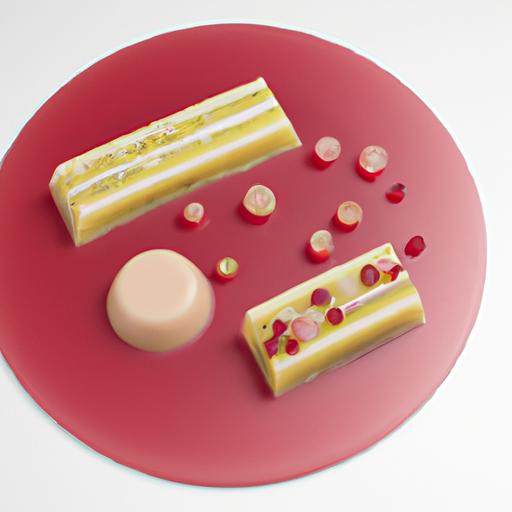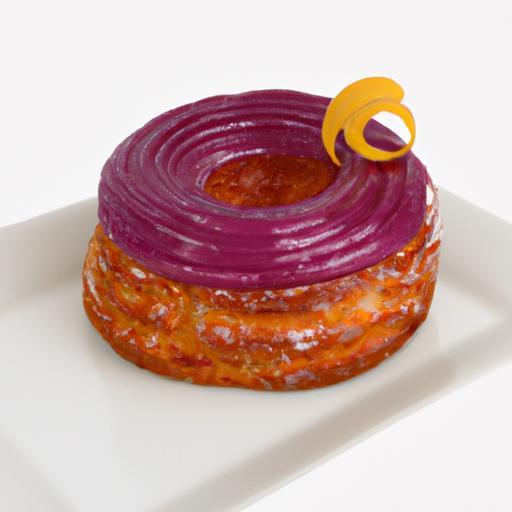
From the flaky layers of a classic croissant to the delicate folds of a mille-feuille, European pastry is a symphony of technique, tradition, and timeless artistry. Behind every buttery bite lies centuries of culinary mastery, passed down through generations of skilled bakers who turned simple ingredients into edible works of art. In this journey through the enchanting world of European pastry, we uncover the secrets and techniques that have shaped these iconic confections. Whether you’re an aspiring baker or a curious enthusiast, mastering these time-honored methods unlocks a deeper gratitude for the craft-and invites you to create your own delicious legacy.
Mastering European Pastry: Timeless Techniques Uncovered
Mastering European pastry unfolds a world of buttery layers, exquisite textures, and rich, balanced flavors. From the bustling patisseries of Paris to the quaint bakeries of Vienna, these iconic doughs and fillings have captured hearts for centuries. I remember the first time I crafted a classic laminated dough-its delicate crackle and feather-light layers felt like a fleeting whisper of culinary magic. This guide dives deep into the nuances of flaky perfection, the symphony of classic European fillings, the finesse of tempering and decoration, and the essential tools that bring authenticity to every bite.
Prep and Cook Time
- Planning: 3 hours (includes dough resting and folding)
- Cooking/Baking: 25-30 minutes
- Active Hands-on Time: 1 hour 15 minutes
Yield
- 8 to 10 pastries (depending on size)
Difficulty Level
- Advanced: Requires patience and precision to master layering and fillings
ingredients
- For the Laminated Dough:
- 2 ½ cups all-purpose flour, sifted
- 1 tsp fine sea salt
- 2 tbsp granulated sugar
- 1 cup unsalted butter, cold and cubed, plus extra for laminating
- ¾ cup whole milk, cold
- 1 tbsp active dry yeast
- Classic European Fillings (choose one or combine):
- 1 cup smooth almond cream (frangipane)
- 1 cup well-drained cherry preserves
- 1 cup rich vanilla pastry cream (crème pâtissière)
- For Tempering and Decoration:
- 1 egg yolk, beaten with 1 tsp water (egg wash)
- 2 tbsp sliced almonds or pearl sugar (optional garnish)
- Powdered sugar for dusting
Instructions
- Activate the yeast: Warm the milk until just lukewarm and stir in the yeast with 1 tbsp sugar. Let sit 5-10 minutes until frothy.
- Make the dough base: In a large bowl, combine flour, salt, and remaining sugar. add the cold yeast milk and knead until it forms a smooth dough. Cover and rest for 30 minutes.
- prepare the butter block: Place cold butter between parchment paper and pound it flat into a 7×7 inch square. Chill until firm but pliable.
- Roll and fold: Roll the dough into a 10×10 inch square. Place the chilled butter block in the center, fold dough edges over to encase butter fully.
- Lamination technique: Roll the dough into a 20×10 inch rectangle. Fold the short ends into thirds (like a letter). Chill for 30 minutes.Repeat this rolling and folding process two more times,ensuring the butter layers create that signature flaky texture.
- Shape and fill: Roll out the laminated dough to about ¼ inch thickness. Cut into rectangles or desired shapes. Spoon your chosen classic european filling onto each piece, leaving space to fold or seal.
- final proof: Place shaped pastries on parchment-lined trays, cover lightly, and let rise at room temperature until puffed, about 45 minutes.
- egg wash and bake: Brush gently with egg wash and sprinkle garnishes if desired. Bake in a preheated 375°F (190°C) oven for 25-30 minutes or until golden and flaky.
- Decoration and serving: Let cool slightly. Dust with powdered sugar and add a light glaze or fresh berries if preferred for an elevated finish.
Tips for Success When Mastering European Pastry
- Keep ingredients cold: Butter temperature is critical-too warm and it will seep, ruining the layers; too cold and it won’t spread evenly.
- Rest between folds: Chilling allows gluten to relax and butter to firm up, which is essential for those perfect flakes.
- Practice airtight sealing: When incorporating the butter block, ensure dough edges fully overlap to prevent leaks during baking.
- Filling balance: Choose fillings that complement the buttery dough without overwhelming it-almond cream and pastry creams maintain moisture and add richness.
- Advance prep: Dough can be prepared a day ahead and kept chilled, improving flavor development and easing the baking day workflow.
Serving Suggestions
Present pastries warm to highlight the buttery flakiness and tender fillings. Serve alongside a cup of fresh-brewed espresso or a fragrant cup of Earl Gray tea. Garnish plates with fresh berries or edible flowers to add vibrant contrast. A light dusting of powdered sugar along with a drizzle of fresh-pressed fruit coulis or honey elevates the visual appeal and flavor harmony.

| Nutrient | Per Serving |
|---|---|
| Calories | 320 kcal |
| Protein | 5 g |
| Carbohydrates | 30 g |
| Fat | 20 g |
For further insights into European baking traditions and tools essential to elevate your craft, check out our detailed Artisan european Baking Tools Guide. Dive deeper into tempering chocolate with expert advice from Culinary Institute of America to polish your decoration skills.
Q&A
Q&A: Mastering European pastry: Timeless Techniques Uncovered
Q1: What makes European pastry techniques so timeless and revered?
A1: European pastry techniques are a harmonious blend of centuries-old craftsmanship, precise methods, and regional artistry. They have been perfected over generations, emphasizing patience, precision, and respect for high-quality ingredients. This dedication results in pastries that are as elegant in structure as they are rich in flavor, embodying a culinary tradition that transcends trends.
Q2: Can you explain the importance of laminating dough in classic European pastries?
A2: Laminating dough is the meticulous process of folding butter into dough multiple times to create layers.this technique is crucial for pastries like croissants and puff pastry, producing that delicate, flaky texture we associate with European patisserie. Mastering lamination means understanding temperature control, dough elasticity, and timing-all of which come together to form those signature airy, buttery layers.
Q3: How can one achieve the perfect balance of moisture and crispness in a European tart crust?
A3: Achieving that perfect balance begins with the right flour-to-fat ratio and minimal handling of the dough to avoid activating gluten. Incorporating techniques such as chilling the dough before baking and blind baking the crust ensures a crisp base. Additionally, using a modest amount of sugar or ground nuts can add subtle richness without compromising texture, allowing the tart crust to be sturdy yet tender.
Q4: What role does butter quality play in European pastry making?
A4: Butter is the lifeblood of many European pastries. A high-fat,unsalted European-style butter enhances flavor and contributes to flakiness and tenderness.Its water content is crucial; too much water can cause sogginess, while too little results in dryness. Selecting premium butter elevates the pastry’s mouthfeel and aroma,making it a foundational ingredient rather than just a fat source.
Q5: Why is temperature control essential during pastry preparation?
A5: temperature governs the behavior of fats and dough gluten networks. Keeping ingredients cool prevents butter from melting prematurely, preserving the layers in laminated doughs and ensuring a flaky, puffed texture.Conversely, allowing dough to rest at the right temperature during fermentation or proofing encourages optimal rise and flavor development. Mastery of temperature translates into pastries that consistently rise, crisp, and taste sublime.Q6: Are there specific European pastries that showcase regional craftsmanship notably well?
A6: Absolutely! Consider the French mille-feuille, with its multiple crisp layers and delicate custard, or the Italian sfogliatella, known for its shell-like layers of dough and ricotta filling. the Austrian strudel exemplifies the art of stretching dough paper-thin before rolling it around fruit and nuts. Each pastry is a testament to the region’s cultural palate and technique,serving as an edible narrative of heritage.
Q7: How important is practice in mastering these European techniques?
A7: Practice is vital. European pastry making blends art and science-it demands muscle memory to perfect rolling, folding, and shaping. Each step refines one’s intuition for dough consistency, butter integration, and baking nuances. Repeated attempts build confidence and deepen understanding, turning complex recipes into approachable creations that you can trust and enjoy.
Q8: Can modern bakers innovate while respecting customary European pastry methods?
A8: Definitely! Innovation and tradition aren’t mutually exclusive. Modern bakers can experiment with flavors,dietary preferences,or presentation while maintaining foundational techniques like lamination,blind baking,or tempering chocolate. By mastering classic methods first, bakers develop a solid base from which creative twists naturally evolve-honoring heritage and pushing boundaries concurrently.
This Q&A unpacks the essence of European pastry mastery, inviting both novice and seasoned bakers to delve into time-honored techniques with fresh inspiration.
In Retrospect
As you close this chapter on mastering European pastry, remember that each flaky croissant and delicate tart is more than just a treat-it’s a timeless tradition brought to life by technique, patience, and passion. By embracing these age-old methods, you’re not just baking; you’re connecting with centuries of culinary artistry, one buttery layer at a time. So, equip your rolling pin, trust in the process, and let the rich heritage of European pastry inspire your next delicious masterpiece. The oven awaits, and with it, endless possibilities.