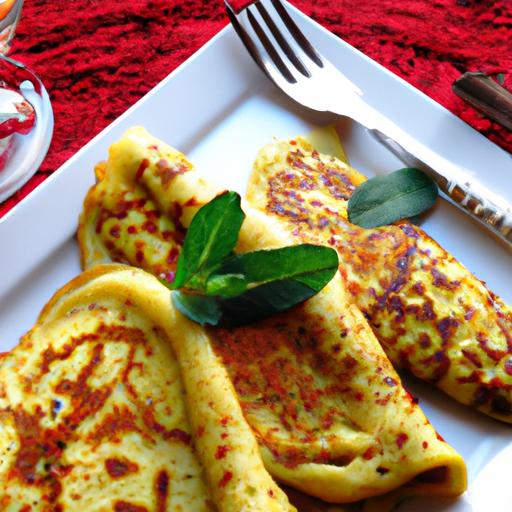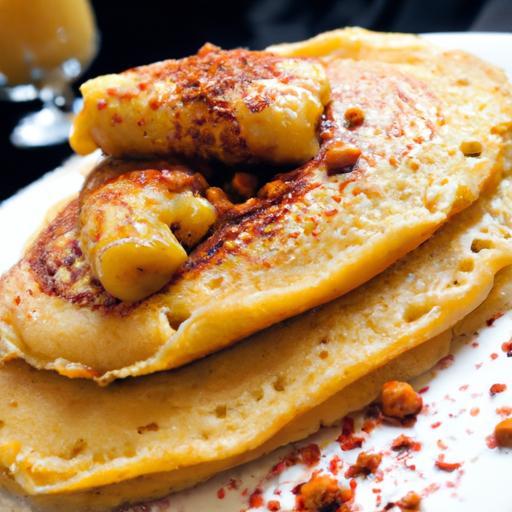
Ther are few culinary wonders as enchanting as the Moroccan baghrir-a delicate, spongy pancake riddled with a thousand tiny holes that seem to capture the very essence of magic. Known as the “thousand-hole pancake,” baghrir isn’t just a dish; it’s a sensory experience,a testament to the artistry and tradition of Moroccan cuisine. Each airy bite offers a tender texture that soaks up honey and butter like a dream, transporting you to bustling souks and sunlit kitchens where generations have perfected this humble yet remarkable recipe. In this article, we’ll explore the origins, techniques, and cultural importance behind baghrir, unveiling the secrets that make these spongy pancakes an irresistible delight and a symbol of Morocco’s rich culinary heritage.
Moroccan Baghrir is a jewel of Maghrebi cuisine, celebrated for its unique thousand-hole texture and delightfully spongy bite. These delicate pancakes, often dubbed “thousand-hole pancakes,” are an art form that beautifully balances tradition and simplicity. Their origin traces back centuries, and each bite reveals the care put into achieving their signature porous surface, which captures honey and butter like tiny edible reservoirs. The magic lies in the fermentation and batter consistency, unlocking an irresistible softness that has enchanted generations-and now, you too can master this culinary wonder in your own kitchen.
prep and Cook time
- Planning: 15 minutes
- Resting (fermentation): 45-60 minutes
- Cooking: 20 minutes
- Total Time: Approximately 1 hour 20 minutes
Yield
About 12 medium-sized baghrir (sufficient to serve 4-6 people depending on appetite)
Difficulty Level
Medium – Requires patience to perfect the batter texture and baking technique, but easily achievable with practice.
Ingredients
- 1 cup all-purpose flour, sifted
- 1 cup fine semolina (or medium grain for a coarser texture)
- 2 tbsp granulated sugar
- 1 tsp instant dry yeast
- 1/2 tsp baking powder
- 1/4 tsp fine salt
- 2 1/2 cups warm water (about 100°F / 38°C)
- Butter and honey for serving
Instructions
- Activate the Yeast: In a large bowl, dissolve the instant dry yeast with a tablespoon of the sugar in warm water. Let it sit for 5 to 10 minutes until foamy and bubbly, a sign your yeast is alive and ready.
- combine Dry Ingredients: Sift the flour, semolina, remaining sugar, baking powder, and salt into a separate large bowl, ensuring no lumps remain.
- Make the Batter: Gradually pour the yeast mixture into the dry ingredients while blending using a hand blender or food processor. Whisk until the batter is perfectly smooth and fluid, resembling a thin pancake batter but with the weight of semolina. This step is critical to get consistent holes.
- Ferment: Cover the batter and let it rest in a warm place for 45-60 minutes. During this time,the batter will rise and tiny bubbles will form,setting the stage for the iconic thousand-hole texture.
- Heat the Pan: Use a non-stick skillet or customary cast iron pan and warm it over medium heat. Do not grease the pan; baghrir naturally releases when cooked correctly.
- Cook the Baghrir: Pour approximately ¼ cup of batter onto the hot pan, spreading slightly if necessary, but avoid making it too thin. Cook on one side only-watch carefully as thousands of holes appear on the surface. this usually takes between 2-3 minutes. the top should be dry and bubbly with no wet batter remaining-do not flip.
- Remove and Rest: Transfer cooked baghrir to a clean kitchen towel or plate. Continue until all batter is used, reheating the pan between each pancake.
- Serve Warm: Immediately brush generously with melted butter and drizzle with honey, allowing the sauce to seep into each porous pocket.
Tips for Success
- Use warm, not hot water to activate yeast-too hot can kill it.
- Keep batter consistency slightly thin; too thick means fewer holes and denser pancakes.
- do not flip baghrir-cooking only one side preserves their airy, sponge-like texture.
- If you don’t have fine semolina, pulse medium semolina in a blender for a few seconds to mimic the texture.
- Resting the batter is critical-don’t rush this step.
- Experiment by adding orange blossom water or cinnamon for subtle Moroccan aroma and complexity.
- For a gluten-free twist, replace all-purpose flour with a blend of chickpea flour and rice flour (adjust hydration).
- Baghrir can be made ahead and gently reheated over a low flame wrapped in a towel to maintain softness.
Serving Suggestions to Elevate Your Baghrir Experience
Traditionally served drizzled with warm honey and melted butter, Moroccan baghrir transform into a luscious, comforting treat. To amplify the experience, consider these creative serving ideas:
- Sprinkle with crushed toasted almonds or pistachios for an irresistible crunch.
- Plate alongside a fresh fruit compote-figs, pomegranate, or dates-accentuating the sweetness and texture contrast.
- Add a dollop of labneh or thick Greek yogurt lightly sweetened with honey for a creamy tang.
- Use baghrir as a base for savory toppings like harissa-spiced tomato sauce and fresh herbs for a unique twist on brunch.
- Pair with Moroccan mint tea or a soothing chai blend to cleanse the palate naturally.

| Nutrient | Per serving (2 baghrir) |
|---|---|
| Calories | 180 kcal |
| Protein | 5 g |
| Carbohydrates | 35 g |
| Fat | 1.5 g (without butter) |
To deepen your exploration of traditional Moroccan breakfast staples, check out our detailed msemen recipe.For more on yeast science and batter fermentation, visit BreadScience.com.
Q&A
Q&A: Moroccan Baghrir – The Magic of spongy thousand-Hole pancakes
Q1: What exactly is Baghrir, and why is it called the “thousand-hole pancake”?
A1: Baghrir is a traditional Moroccan pancake known for its unique texture filled with countless tiny holes on the surface, giving it a spongy, airy quality. These holes form naturally as the batter cooks, creating a mesmerizing pattern that looks like a honeycomb or a thousand tiny windows-hence the nickname “thousand-hole pancake.” This distinctive texture makes Baghrir perfect for soaking up syrups and spreads.
Q2: What ingredients go into making authentic Baghrir batter?
A2: The magic of Baghrir starts with simple pantry essentials: fine semolina, all-purpose flour, yeast, baking powder, salt, and warm water.These ingredients combine to form a light batter that ferments slightly, causing bubbles to form as it cooks and producing the iconic holes. No eggs or fats are used in the batter, which keeps the pancakes delicate and soft.
Q3: How is Baghrir traditionally cooked to achieve its spongy texture?
A3: Baghrir is cooked on one side only, over moderate heat. The batter is poured onto a hot, lightly greased griddle or non-stick pan, where it begins to bubble, forming tiny holes all across the surface. Once the top is set and bubbly, it’s removed from the heat without flipping, preserving its porous top and soft base.This method ensures the pancake stays light,with a texture almost like a cross between a crepe and a sponge cake.
Q4: What makes Baghrir special in Moroccan culture and cuisine?
A4: Baghrir plays a key role in Moroccan breakfasts, brunches, and festive gatherings. It’s frequently enough served warm and drenched in a generous drizzle of melted honey or a mixture of butter and honey,which seeps beautifully into the pores. beyond its delightful taste, Baghrir represents hospitality and tradition-offering comfort and sweetness at the start of the day or during special occasions.
Q5: Can Baghrir be enjoyed with savory accompaniments as well?
A5: Absolutely! While Baghrir shines when paired with sweet toppings like honey or fruit jams, it also pairs wonderfully with savory options. Consider spreading soft cheeses, olive tapenades, or dips like hummus on top for a delightful contrast.the pancake’s airy structure can hold both sweet and savory flavors, making it incredibly versatile.
Q6: Is Baghrir gluten-free or suitable for special diets?
A6: Traditional Baghrir uses semolina and flour derived from wheat, so it contains gluten. However, there are adaptations using gluten-free flours such as rice flour or a blend of gluten-free grains. These alternative recipes can replicate the texture and signature holes, though some adjustments in hydration or rising times may be necessary.
Q7: How can one master the art of making perfect Baghrir at home?
A7: Patience and temperature control are key. use warm water to activate the yeast properly, and let the batter rest to ferment for at least 30 minutes-this encourages bubble formation. Cook on a well-heated but not overly hot pan to let the holes develop evenly without burning. Avoid flipping; trust the unique cooking style! With practice, the mesmerizing pattern of holes and the pillowy softness become second nature.
Q8: What are some cultural variations or similar dishes to Baghrir?
A8: While Baghrir is uniquely moroccan,there are similar spongy pancakes in other cultures-like the ethiopian injera or the Indian appam-each with its own twist. Within Morocco and neighboring regions,variations can include the addition of orange blossom water or sesame seeds for subtle flavor differences,adding another layer of sensory delight.
Q9: Why is Baghrir considered a “magical” pancake in Moroccan kitchens?
A9: The “magic” lies in the spontaneous and captivating formation of its thousand holes-nature’s tiny art on a plate. Watching the bubbles rise and the holes appear as the batter cooks fascinates home cooks and guests alike. This process not only creates a distinctive texture but also symbolizes warmth, community, and the joy of sharing simple, beautiful food.
whether drenched in honey or paired with savory dips, Moroccan Baghrir invites you to experience the enchantment of tradition through every delicate bite. The magic is in the holes,the texture,and the generations of love stirred into each pancake.
Final Thoughts
As you embark on your own culinary journey with moroccan Baghrir, remember that these spongy thousand-hole pancakes are more than just a breakfast treat-they are edible invitations to savor tradition, culture, and the simple magic of fermentation. Each delicate pancake weaves together history and flavor,offering a soft,airy texture that’s perfect for soaking up honey or butter,transforming every bite into a moment of delight. Whether served at a bustling Moroccan souk or your own kitchen table, Baghrir carries a timeless story waiting to be shared, one hole at a time. So, embrace the magic, flip your batter, and let these charming little pancakes turn your mornings into a party of heritage and taste.