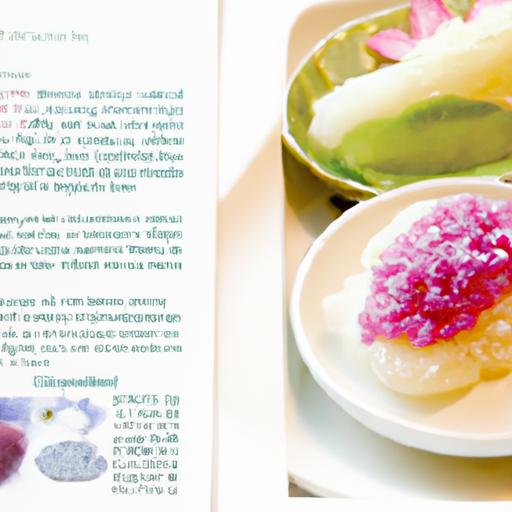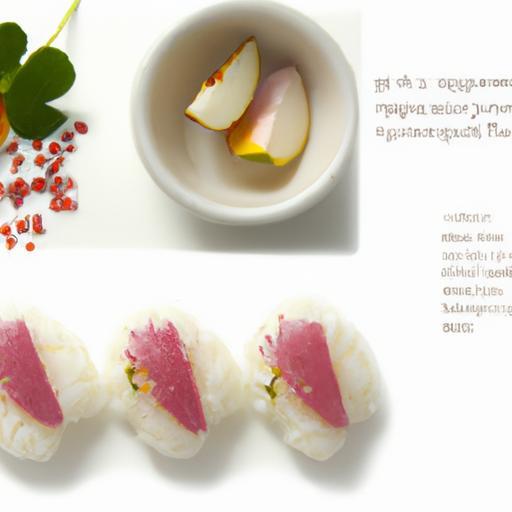
Beneath the ephemeral blush of Japan’s iconic cherry blossoms lies a treasured tradition that captures the spirit of spring in every bite: sakuramochi. This delicate rice cake, wrapped lovingly in salted cherry leaves, is more than just a sweet treat-it is indeed a celebration of nature’s fleeting beauty and centuries-old craftsmanship. In “Sakuramochi Secrets: Japan’s Cherry Blossom Rice Cake Delight,” we unravel the history,regional nuances,and cultural meaning behind this charming confection. Join us as we explore the artistry and symbolism tucked inside sakuramochi’s soft pink folds, revealing why this seasonal delicacy remains a beloved emblem of Japan’s springtime romance.
Discovering the Richness behind Sakuramochi Secrets: Japan’s Cherry Blossom Rice cake Delight
Sakuramochi Secrets begins with an enchanting blend of culinary artistry and cultural reverence. This iconic Japanese confection draws its inspiration from the fleeting beauty of cherry blossoms, seamlessly marrying delicate sweetness and subtle floral aroma in each bite. Steeped in tradition, sakuramochi has graced hanami (flower viewing) picnics for centuries, symbolizing renewal, hope, and the ephemeral nature of spring. My first taste under a canopy of blooming sakura trees remains unforgettable-each morsel a tender tribute to Japan’s seasonal poetry.
Prep and Cook Time
- Preparation: 30 minutes
- Cooking: 15 minutes
- total Time: 45 minutes
Yield
Yields approximately 12 sakuramochi rice cakes
Difficulty Level
Medium – Perfect for adventurous home cooks eager to master traditional Japanese techniques
Ingredients
- 200g glutinous rice flour (shiratamako)
- 150ml water
- 100g granulated sugar
- 12 preserved sakura leaves, rinsed and soaked in water for 1 hour
- 200g sweet red bean paste (anko), smooth or chunky per preference
- Natural pink food coloring (optional, for enhanced cherry blossom hue)
Step-by-Step instructions
- Prepare the dough: in a mixing bowl, gradually combine glutinous rice flour and water, stirring until smooth. Add the sugar and mix thoroughly. if desired, add a drop or two of natural pink food coloring to evoke the soft sakura hue.
- Steam the batter: Pour the batter into a heatproof dish and steam over high heat for 10-12 minutes until it becomes a translucent, pliable mochi dough. Testing with a toothpick can help; it should come out clean without sticky residue.
- Shape the mochi: Using wet hands to prevent sticking, divide the mochi dough into 12 equal pieces.flatten each piece into a small oval disc approximately 3 inches long.
- Filling assembly: Place a spoonful (about 15g) of red bean paste in the center of each mochi disc. Gently fold and pinch the edges over the filling, sealing it within a soft, chewy envelope.
- Wrap with sakura leaves: Drain the soaked leaves thoroughly. Each mochi ball is gently wrapped in a preserved sakura leaf, the veins wrapping delicately around the rice cake to impart subtle salty fragrance and hold the shape.
- Chill and serve: Allow the sakuramochi to chill for 15 minutes before serving-this resting time enhances their texture and flavor.
Tips for Success
- Use fresh preserved sakura leaves or soak dried ones adequately to reduce saltiness and soften texture.
- The mochi dough can become sticky; keep yoru hands wet or lightly dusted with rice flour during shaping for ease.
- For a more authentic texture, try steaming the mochi dough over a bamboo steamer lined with parchment paper.
- Make ahead: Sakuramochi can be stored refrigerated up to 2 days, but consume at room temperature for ideal chewiness.
- Experiment with different bean paste types-try white bean anko for a milder sweetness or matcha-infused for a subtle bitterness.
Serving Suggestions
Present sakuramochi on a traditional Japanese plate or a lacquered tray to honor its heritage.Enhance the experience with delicate edible cherry blossoms or a sprinkling of toasted sesame seeds for visual contrast. Pair each bite with a warm cup of sencha green tea, whose grassy notes perfectly complement sakuramochi’s subtle sweetness. alternatively, matcha tea provides a rich, umami depth that accentuates the floral essence.
| Nutrient | Per Serving (1 piece) |
|---|---|
| Calories | 120 kcal |
| Protein | 2 g |
| Carbohydrates | 28 g |
| Fat | 0.3 g |

Q&A
Q&A: Sakuramochi Secrets – Japan’s Cherry Blossom rice cake Delight
Q1: What is Sakuramochi?
A: Sakuramochi is a traditional Japanese sweet that celebrates the fleeting beauty of spring. It’s a delicate pink rice cake, filled with sweet red bean paste, and wrapped in a pickled cherry blossom leaf. This seasonal treat perfectly captures the essence of cherry blossoms-both in flavor and spirit.
Q2: Why is Sakuramochi associated with cherry blossoms?
A: The sakura, or cherry blossom, is Japan’s iconic symbol of spring and transient beauty. Sakuramochi is crafted and enjoyed during hanami-the cherry blossom viewing season-making it a culinary homage to nature’s most beloved bloom. The subtle floral aroma of the cherry leaf wrap enhances this unique connection.
Q3: What’s special about the cherry blossom leaf?
A: The leaf is pickled in salt, lending the mochi a slightly salty contrast to the sweet bean filling. This balance of flavors embodies the Japanese aesthetic of harmony and subtlety. While some eat the leaf along with the mochi for that extra zing, others prefer to peel it off, creating two distinct experiences from one dessert.
Q4: How is Sakuramochi made?
A: Traditionally, Sakuramochi uses a glutinous rice flour dough tinted soft pink. The dough is gently wrapped around a ball of smooth or chunky red bean paste, then carefully enveloped in a salted cherry blossom leaf. In the Kansai region, a slightly different method uses domyoji-ko (coarse rice flour), giving a chewier texture, highlighting regional craftsmanship.
Q5: Are ther variations of Sakuramochi across Japan?
A: Absolutely! In eastern Japan (Kanto), sakuramochi tends to be smoother and made from rice flour dough, while in Western Japan (Kansai), the dessert boasts a coarser texture using domyoji-ko. Both styles celebrate regional tastes but share the iconic cherry blossom leaf wrapping. Additionally, modern interpretations might add matcha or white bean paste for an innovative twist.
Q6: When is the best time to enjoy sakuramochi?
A: Sakuramochi shines brightest in early spring,during the cherry blossom season-typically late March to early April. Many Japanese savor this sweet during hanami picnics beneath blooming sakura trees, experiencing the perfect union of nature and cuisine.
Q7: Can Sakuramochi be enjoyed outside of japan?
A: While it’s a quintessentially Japanese treat, Sakuramochi has found fans worldwide. Specialty Japanese confectioners and Asian markets abroad frequently enough stock it seasonally.However, for the freshest experience, nothing beats enjoying Sakuramochi in its homeland, amid the ephemeral cherry blossoms.
Q8: What cultural values does Sakuramochi represent?
A: More than just a sweet, Sakuramochi embodies the Japanese ideals of impermanence (mono no aware), seasonality (shun), and subtlety. it reminds us to appreciate fleeting moments of beauty and the natural rhythms of life, wrapped tenderly in a bite-sized delight.
Q9: Any tips for first-time Sakuramochi eaters?
A: Embrace the contrast! try eating it once with the leaf-feel the salty-sweet harmony-then once peeled if you prefer pure sweetness. Pair it with a cup of warm green tea to balance flavors. And of course, enjoy it slowly, savoring the blossoms’ whisper in every bite.
Q10: Where can I learn more about Sakuramochi and other Wagashi?
A: Dive into books about Japanese tea ceremony sweets (wagashi),or explore culinary tours in Japan during springtime. Online resources and cooking classes frequently enough reveal the artistry behind Sakuramochi, inviting you deeper into Japan’s rich seasonal culture.
In Retrospect
As the petals of the cherry blossom drift gently to the ground, so too does the secret charm of sakuramochi unfold-layer by delicate layer. This beloved rice cake, steeped in centuries of tradition and flavored with the subtle essence of spring itself, invites us to savor not just a sweet treat, but a timeless ritual of Japanese culture. Whether wrapped in its iconic pickled cherry leaf or enjoyed amidst the bloom of hanami, sakuramochi remains a symbol of renewal, craftsmanship, and seasonal joy. So next time you bite into this rosy-hued delicacy, remember: you’re tasting more than flavor-you’re experiencing a fragrant whisper of Japan’s cherry blossom wonder.