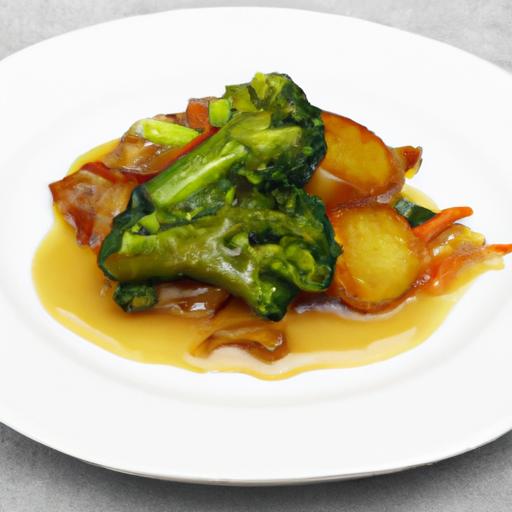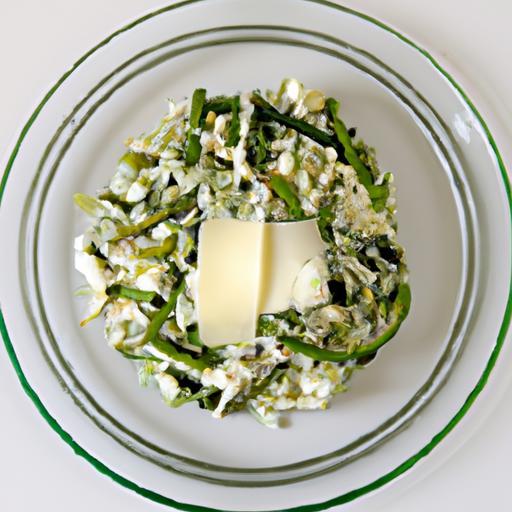
Europe’s diverse tapestry is not only woven from rich histories and stunning landscapes but also from an exceptional variety of flavors-especially when it comes to vegetarian cuisine. From the sun-soaked shores of the Mediterranean to the hearty hearths of Eastern Europe, each region offers a unique culinary story told through vibrant vegetables, fragrant herbs, and time-honored recipes. In this article, embark on a flavorful journey across the continent as we savor Europe’s most appetizing vegetarian dishes, celebrating the creativity and tradition that make plant-based eating a truly mouthwatering adventure. Whether you’re a dedicated herbivore or simply curious, prepare to discover how Europe’s regions transform humble ingredients into unforgettable meals.
Savor Europe: Delicious vegetarian Recipes from Every Region open a world of flavors with this heartwarming Mediterranean vegetable moussaka,a dish that draws you into the sun-drenched coastal kitchens of Greece and Cyprus. Layers of tender eggplants,spiced lentil ragout,and a velvety béchamel sauce meld into a comforting casserole that showcases the richness of Mediterranean vegetarian cuisine. This recipe is not only a party of fresh, local produce but also an invitation to experience centuries-old culinary traditions through every bite. Whether you’re seeking a wholesome family meal or a stunning centerpiece for a dinner party, this moussaka promises a spectacular blend of textures and flavors.
Prep and Cook Time
- Preparation: 25 minutes
- Cooking: 50 minutes
- Total Time: 1 hour 15 minutes
Yield
Serves 6 generous portions
difficulty level
Medium
Ingredients
- 2 large eggplants (about 2 pounds), sliced into 1/4-inch rounds
- 1 1/2 cups brown lentils, rinsed
- 1 medium onion, finely chopped
- 3 cloves garlic, minced
- 1 large carrot, grated
- 1 red bell pepper, finely diced
- 1 can (14 oz) crushed tomatoes
- 1 teaspoon ground cinnamon
- 1 teaspoon smoked paprika
- 1 teaspoon dried oregano
- 1/2 teaspoon ground cumin
- 3 tablespoons olive oil, divided
- Salt and freshly ground black pepper, to taste
- For the béchamel sauce:
- 4 tablespoons butter
- 4 tablespoons all-purpose flour
- 3 cups whole milk, warmed
- 1/4 teaspoon grated nutmeg
- 1 cup grated Parmesan cheese (or vegetarian hard cheese choice)
- Salt and white pepper, to taste
Instructions
- Prepare the eggplants: Lay the eggplant slices on a rack or baking sheet, salt them lightly, and allow them to sit for 20 minutes to draw out bitterness.pat dry with paper towels. Tip: This step prevents sogginess and enhances flavor.
- Cook the lentils: In a pot, cover lentils with water by 2 inches, bring to a boil, then simmer uncovered for 25 minutes or until tender but not mushy. Drain and set aside.
- Make the vegetable ragout: Heat 2 tablespoons olive oil in a large skillet over medium heat. Sauté onion until translucent, about 5 minutes. add garlic, carrot, and red pepper, cooking for another 5 minutes until softened.
- Spice it up: Stir in cinnamon, paprika, oregano, and cumin. Add crushed tomatoes and cooked lentils, simmer uncovered for 15 minutes until thickened. Season with salt and pepper.
- Cook the eggplants: Preheat oven to 400°F (200°C). Brush both sides of eggplant slices with 1 tablespoon olive oil. Arrange on baking sheets in a single layer and roast for 20 minutes, flipping halfway, until golden and tender.
- Prepare the béchamel: In a saucepan, melt butter over medium heat. Whisk in flour and cook for 1-2 minutes until bubbly but not browned. Gradually whisk in warm milk, stirring constantly until smooth and thickened, about 6-8 minutes.
- Finish the sauce: remove from heat, stir in nutmeg, half the Parmesan, salt, and white pepper to taste.
- Assemble the moussaka: In a greased baking dish, layer half the eggplant slices. Spoon all the lentil ragout evenly over the eggplants. Top with remaining eggplants. Pour béchamel sauce evenly on top, smoothing with a spatula. Sprinkle with remaining Parmesan cheese.
- Bake: Reduce oven to 350°F (175°C) and bake uncovered for 30 minutes, until golden and bubbling.
- Rest and serve: Allow to cool for 15 minutes before slicing to maintain structure and enhance flavor melding.
Tips for Success
- Eggplants: Roasting eggplants rather of frying saves oil and ensures a lighter texture without compromising flavor.
- Lentil choice: Brown lentils provide a nice earthiness and hold their shape well, but green lentils work equally well.
- Béchamel alternatives: For a vegan twist,substitute butter with plant-based margarine and use almond milk with nutritional yeast for cheesy notes.
- Make-ahead: Prepare the ragout and béchamel a day ahead; assemble and bake just before serving for convenience.
- Serving: Letting the dish rest improves slicing and flavor balance.
Serving Suggestions
This moussaka shines when paired with a crisp, peppery arugula and fennel salad dressed with lemon vinaigrette. Garnish with freshly chopped parsley or mint for a burst of herbal freshness. A side of warm, crusty whole-grain bread or pita rounds out the meal beautifully and invites dipping into the luscious sauce. For a final touch, scatter some toasted pine nuts atop the béchamel before serving to add delightful crunch and Mediterranean authenticity.

| Nutritional Info (per serving) | Calories | Protein | Carbs | Fat |
|---|---|---|---|---|
| Moussaka | 340 kcal | 16 g | 40 g | 10 g |
For more vibrant vegetarian recipes from the Mediterranean, explore our Mediterranean Vegetarian Delights collection, or dive deeper into the health benefits of lentils and other legumes on the Healthline nutrition guide.
Q&A
Q&A: Exploring “Savor Europe: Delicious Vegetarian Recipes from Every Region”
Q1: What inspired the creation of “Savor Europe: Delicious Vegetarian Recipes from every Region”?
A1: The inspiration behind “Savor Europe” was to showcase the amazing diversity of vegetarian cuisine across Europe’s many regions. Each area boasts unique traditions and ingredients, and this collection celebrates how plant-based dishes can be as vibrant and flavorful as any meat-centered meal. It’s a culinary journey that invites readers to discover fresh, wholesome, and culturally rich recipes that highlight local produce and time-honored techniques.
Q2: How does the book approach the diversity of vegetarian cuisine in Europe?
A2: The book approaches European vegetarian cooking as a mosaic. It breaks the continent down into regions-Mediterranean coasts, Alpine valleys, Eastern steppes, and Northern forests-each with distinctive flavors and prevalent ingredients. By focusing on regional specialties, readers learn to appreciate the nuances of herbs, legumes, grains, and seasonal vegetables that define local dishes, revealing unexpected and delightful meat-free options.
Q3: Can you give an example of a customary vegetarian recipe featured in the book and its cultural background?
A3: one standout recipe is the Provencal Ratatouille from Southern France-a vibrant stew of tomatoes, zucchini, eggplant, and bell peppers slowly simmered with garlic and herbs.This dish exemplifies how simple ingredients from the Mediterranean sun can be transformed into an aromatic and hearty meal.It reflects the region’s farming heritage and sunny climate, making vegetables the stars of the plate.
Q4: How accessible are these recipes for cooks who are new to European vegetarian cuisine?
A4: Very accessible! The book was designed with both curious beginners and seasoned cooks in mind. Each recipe includes clear instructions, ingredient substitutions when needed, and context about the dish’s origins. This ensures newcomers can confidently experiment with new flavors while seasoned chefs can deepen their understanding of regional cooking traditions.
Q5: Does the book offer tips on sourcing authentic European ingredients locally?
A5: Absolutely. “Savor Europe” provides helpful advice on where to find specialty ingredients in local markets or how to select suitable alternatives without compromising flavor. For example,it guides readers on selecting fresh heirloom tomatoes for Mediterranean dishes or choosing the right type of potatoes for hearty Eastern European stews,making it easy to recreate authentic tastes no matter where you live.
Q6: Are there any recipes inspired by lesser-known European regions or cuisines?
A6: Yes! The book shines a spotlight on underappreciated regional cuisines such as the Basque Country’s rich vegetable stews, the Baltic States’ root vegetable dishes, and the hearty vegetarian fare of the Scottish Highlands. These recipes bring forward hidden gems that enrich the European vegetarian landscape and inspire new culinary adventures.
Q7: How does “Savor Europe” cater to seasonal eating?
A7: Seasonality is a central theme of the book. Each recipe emphasizes fresh, seasonal produce to maximize flavor and sustainability. The chapters are organized to highlight typical ingredients available in spring, summer, autumn, and winter, encouraging cooks to embrace the rhythm of nature and enjoy Europe’s bounty through the year.
Q8: What makes vegetarian European cuisine particularly distinctive compared to other vegetarian cooking styles worldwide?
A8: European vegetarian cuisine is distinctive for its deep-rooted traditions tied to local agriculture, centuries-old culinary techniques, and regional biodiversity. Unlike some global vegetarian cuisines that might lean heavily on tropical fruits or spices, European vegetarian dishes often play with the textures and flavors of root vegetables, grains, cheeses, mushrooms, herbs, and legumes-all combined with subtle, comforting seasonings that reflect local history and climate.
Q9: How can readers use this book to enhance their everyday cooking?
A9: Readers can use “Savor Europe” as a source of inspiration to diversify their meal plans with wholesome, flavorful dishes from a variety of cultures. the recipes encourage cooks to experiment with new ingredients and methods, promoting creativity and discovery at home. Whether preparing a fast weekday dinner or an notable dinner party spread, these vegetarian recipes add international flair and nutritional balance.
Q10: What is a fun fact about European vegetarian cuisines that readers might not know before exploring the book?
A10: Many might be surprised to learn that some of Europe’s most iconic dishes-often thought to be meat-based-have traditional vegetarian or vegetable-forward variations. For instance, Italian cuisine offers countless vegetable-packed pastas and risottos, while in Central Europe, hearty vegetable soups and dumplings have long held a place of honor on family tables, showing that vegetarian eating is deeply woven into the continent’s culinary fabric.
In Summary
As we close this culinary journey across Europe’s vibrant regions, it’s clear that vegetarian cuisine is far from one-dimensional. From the sun-kissed shores of the Mediterranean to the hearty heartlands of Central Europe, each recipe offers a flavorful testament to the rich agricultural heritage and diverse cultures that shape these lands. Whether you’re a seasoned herbivore or simply curious to explore new tastes, these dishes invite you to savor Europe’s essence-one vibrant, plant-based bite at a time. So gather your ingredients, embrace the traditions, and let your kitchen become a passport to Europe’s delicious vegetarian treasures.