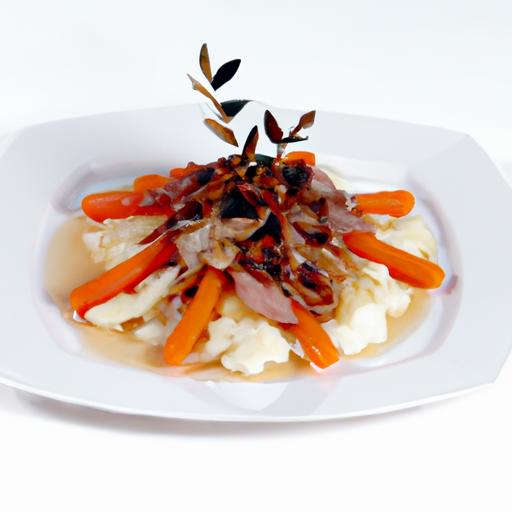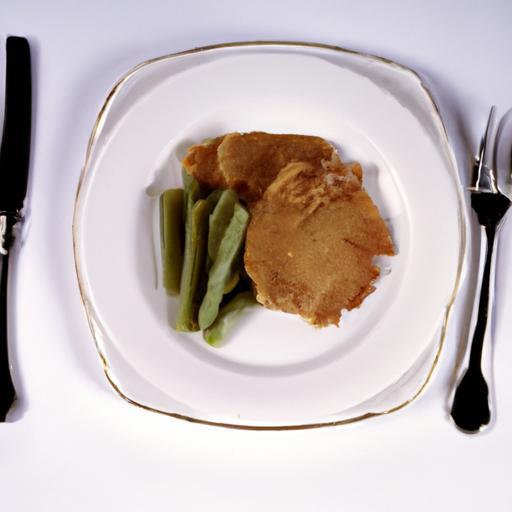
Europe’s culinary landscape is a rich tapestry woven from centuries of tradition, culture, and local flavors. Every holiday season, from the snowy markets of Scandinavia to the sun-kissed shores of the Mediterranean, families gather around tables laden with dishes that carry stories as old as the continent itself. “Savor Europe: Timeless Holiday Recipes from Across the Continent” invites you on a delectable journey through Europe’s festive kitchens, where age-old recipes have been lovingly passed down and perfected. Whether it’s the hearty stews of Eastern Europe, the delicate pastries of france, or the spiced treats of Spain, these classic dishes not only satisfy the palate but also connect us to the heart of European heritage. Join us as we explore these timeless flavors and bring a taste of Europe’s holiday spirit into your own home.
Savor Europe by diving into the coastal warmth of Mediterranean kitchens, where sun-kissed olives, fresh seafood, and vibrant herbs create an electrifying dance of flavors.Among these treasured dishes, the Mediterranean Fisherman’s stew stands out as a culinary beacon-rich, hearty, and brimming with tradition. This dish captures the essence of coastal life,combining succulent fish,plump shellfish,and ripe tomatoes simmered in fragrant garlic and citrus,evoking memories of seaside family gatherings and ocean breezes. It’s a celebration of simplicity elevated by fresh, bold ingredients, perfect for sharing during holiday moments that cherish togetherness and authentic tastes.
Prep and Cook Time
- Readiness: 20 minutes
- Cooking: 40 minutes
- Total Time: 1 hour
Yield
- Serves 6 generous portions
Difficulty Level
- Medium - Ideal for home cooks seeking to master coastal European flavors
Ingredients
- 2 tbsp extra-virgin olive oil
- 1 large onion,finely chopped
- 4 garlic cloves,minced
- 1 red bell pepper,diced
- 1 fennel bulb,thinly sliced
- 1 tsp smoked paprika
- 1/2 tsp crushed red pepper flakes (optional for mild heat)
- 1 can (28 oz) whole peeled tomatoes,crushed by hand
- 2 cups fish or vegetable broth
- 1 lb firm white fish fillets (cod,halibut),cut into 2-inch pieces
- 1/2 lb large shrimp,peeled and deveined
- 1/2 lb mussels,cleaned and debearded
- Juice and zest of 1 lemon
- Salt and freshly ground black pepper,to taste
- Fresh flat-leaf parsley,chopped,for garnish
- Crusty bread,to serve
Instructions
- Heat the olive oil in a large heavy-bottomed pot over medium heat. Add the chopped onion,garlic,bell pepper,and fennel.Sauté until softened and fragrant, about 7 minutes, stirring frequently to avoid burning.
- Stir in smoked paprika and crushed red pepper flakes. Cook for 1 minute to release the spices’ aroma.
- Add the crushed tomatoes and broth. Bring the mixture to a gentle simmer, cover, and cook for 15 minutes. This slow simmer deepens the flavors and allows the vegetables to meld beautifully.
- Season the stew with salt, pepper, lemon zest, and lemon juice, adjusting to taste.
- Gently add the fish pieces, shrimp, and mussels to the simmering stew.Cover and cook for 8-10 minutes until the shrimp turn pink, fish is opaque, and mussels open. Discard any unopened mussels.
- Stir carefully just once or twice to distribute seafood evenly without breaking delicate fish pieces.
- Remove from heat and ladle into warm bowls. Garnish liberally with freshly chopped parsley for a pop of vibrant green.
- serve immediately alongside warm crusty bread to soak up the luscious broth.
Tips for Success
- For the freshest result, gather seafood from a trusted local fishmonger. If unavailable, frozen shrimp and fish will still work beautifully-thaw entirely before cooking.
- Adjust the heat level by increasing or omitting red pepper flakes. This recipe balances gentle heat to not overpower the delicate seafood.
- to make ahead,prepare the base stew (steps 1-3) and refrigerate for up to 24 hours. Add seafood just before serving to maintain pristine texture.
- For a gluten-free option, replace crusty bread with roasted potatoes or a side of polenta.
Serving Suggestions
Present this dish in rustic bowls, drizzle a final sprinkle of olive oil, and add an extra wedge of lemon on the side for guests to brighten thier stew to taste. Pair with a chilled glass of sparkling mineral water garnished with a sprig of fresh mint to refresh the palate. For festive gatherings, consider a vibrant Mediterranean salad with cucumbers, tomatoes, and olives as a crisp counterpoint.

| Nutrient | Per Serving |
|---|---|
| Calories | 320 kcal |
| Protein | 35 g |
| Carbohydrates | 12 g |
| Fat | 10 g |
For more inspiration from coastal European flavors, explore our detailed guide on mastering seafood cooking techniques. To deepen your knowledge of Mediterranean culinary heritage, visit Britannica’s Mediterranean Cuisine overview.
Q&A
Q&A: Savor Europe – Timeless Holiday Recipes from Across the Continent
Q1: What inspired the concept behind “Savor europe: Timeless Holiday Recipes from Across the Continent”?
A1: The inspiration comes from the idea that food is one of the most vivid and joyful expressions of culture, especially during the holidays. Europe’s diverse regions each boast their own cherished festive dishes, passed down through generations. By gathering these recipes,the book invites readers to embark on a culinary journey that celebrates tradition,warmth,and the spirit of togetherness.
Q2: Which European countries’ holiday recipes are featured in the collection?
A2: The collection spans the breadth of Europe-from the rustic coziness of Scandinavian gingerbread cookies and hearty German potato dumplings,to the fragrant spice blends in Mediterranean festive cakes and the vibrant vegetable-based dishes of Eastern Europe. Each recipe showcases local ingredients and timeless flavors emblematic of festive celebrations.
Q3: Are the recipes suitable for home cooks with varying skill levels?
A3: Absolutely! The recipes are carefully curated and written with clear instructions to accommodate everyone-from curious beginners eager to try authentic European dishes, to seasoned cooks looking to expand their holiday repertoire.There are simple, swift treats as well as more elaborate meals for those ready to indulge their inner chef.
Q4: How does the collection approach dietary preferences or restrictions?
A4: Mindful of varied dietary needs, the recipes focus on fresh, wholesome ingredients and offer plenty of vegetarian and seafood options. Rich vegetable stews,aromatic herb breads,and luscious desserts made from nuts,fruits,and dairy highlight the continent’s festive bounty-allowing everyone at the table to savor the season.
Q5: What makes European holiday recipes “timeless”?
A5: These recipes have endured because they embody more than just ingredients; they carry stories, family traditions, and communal celebrations. the timeless quality lies in their balance of flavors, the rituals around preparing and sharing the food, and their ability to evoke nostalgia while remaining accessible and relevant year after year.
Q6: Can you share a standout recipe example from the collection?
A6: One standout is the classic Austrian Linzer Torte-a nutty, spiced tart filled with vibrant red currant jam and crowned with a delicate lattice crust. As one of the oldest known cake recipes in Europe, it perfectly embodies holiday cheer with its tender crumb and festive warmth.
Q7: How can readers best use the collection during the holiday season?
A7: The collection is designed to be both a source of inspiration and a practical guide. Whether planning a themed holiday dinner, seeking new traditions to start with family, or gifting the joy of European flavors, these recipes invite readers to slow down, savor each bite, and connect with the history and heart behind every dish.
Q8: Beyond food, does the article touch on any European holiday customs?
A8: Yes, it highlights how food intertwines with celebrations-like the Italian tradition of the Feast of the Seven Fishes or the French custom of serving Bûche de Noël. These cultural snapshots enrich the cooking experience by providing context and deepening recognition for the festive tables across Europe.
Q9: Are there tips included to adapt recipes to modern kitchens or ingredients?
A9: Certainly. The article encourages flexibility, suggesting seasonal local produce substitutes and modern cooking techniques without compromising authenticity. It opens the door for creativity while honoring the essence of each dish.
Q10: What do you hope readers take away after exploring “Savor Europe”?
A10: More than just recipes, the hope is that readers gain a sense of connection-to European cultures, to holiday traditions, and to their loved ones gathered around the table. Ultimately, it’s about celebrating the joy of sharing timeless flavors that bring warmth, memory, and magic to the holiday season.
In Retrospect
As you close this chapter on “Savor Europe: Timeless Holiday Recipes from Across the Continent,” remember that these dishes are more than just ingredients and instructions-they are edible stories, woven from centuries of tradition and shared celebration. Whether you’re stirring a rich Italian sauce,kneading dough for a french galette,or infusing spices into a hearty German stew,you’re connecting with the heart of Europe’s diverse cultures and festive spirit. So let your kitchen be a gateway to the continent, where each bite transports you to joyful gatherings far beyond your doorstep. With these timeless recipes, your holiday table isn’t just a meal-it’s a celebration of heritage, warmth, and togetherness that transcends borders and time. Happy cooking, and even happier savoring!