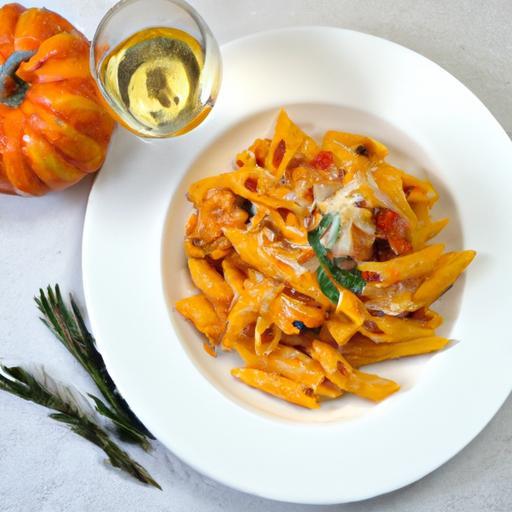
there’s a unique magic in pasta-the way it transforms simple ingredients into a symphony of flavors that dance on the palate with every bite. From the rustic charm of a homemade carbonara to the vibrant zest of a sun-kissed pesto, pasta offers an endless canvas for culinary creativity. In “Savor Every Bite: Exploring Flavorful Pasta Creations,” we embark on a delicious journey through inventive recipes, unexpected ingredient pairings, and expert techniques that elevate this beloved dish beyond the ordinary. Whether you’re a seasoned chef or a curious food lover, get ready to awaken yoru taste buds and rediscover pasta as an art form worth savoring spoonful by spoonful.
Savor every bite means embracing the magic that happens when a perfectly crafted sauce meets the ideal pasta shape, every ingredient bursting with fresh herbs, and thoughtful pairings that transform a simple dish into an unforgettable meal. This exploration invites you into the art of elevating pasta, where each element harmonizes to delight your senses and deepen your recognition for this timeless cuisine.
Prep and Cook Time
- Planning: 15 minutes
- Cooking: 20 minutes
- Total Time: 35 minutes
Yield
Serves 4 generous portions
Difficulty Level
Medium – perfect for home cooks ready to impress with approachable finesse
Ingredients
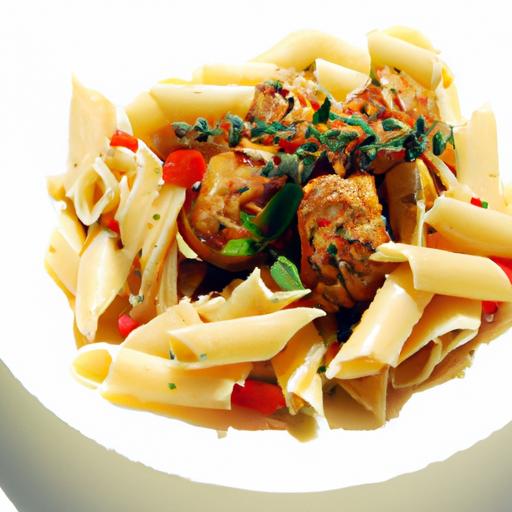
- 12 oz dried cavatappi pasta (or other spiral-shaped pasta)
- 3 tbsp extra virgin olive oil
- 1 small yellow onion, finely diced
- 3 cloves garlic, minced
- 1 ½ cups cherry tomatoes, halved
- 1 cup fresh basil leaves, torn
- ½ cup fresh flat-leaf parsley, finely chopped
- ¼ cup fresh oregano leaves, chopped
- 1 cup low-sodium vegetable broth
- ½ cup grated Pecorino Romano cheese
- Salt and freshly ground black pepper to taste
- 1 tsp red chili flakes (optional for subtle heat)
- Juice of half a lemon
Instructions
- Prepare the pasta: Bring a large pot of salted water to a rolling boil. Add the cavatappi and cook according to package instructions until al dente (usually 9-11 minutes). Reserve 1 cup of pasta water before draining and set pasta aside.
- Sauté aromatics: in a large skillet, warm the olive oil over medium heat. Add the diced onion and cook until translucent, about 5 minutes, stirring frequently to prevent browning.
- Add garlic and tomatoes: stir in the minced garlic and cook for 1 minute, releasing its fragrance, then add the halved cherry tomatoes. Cook until they soften and begin to release juices, approximately 7-8 minutes, gently mashing some with your spoon.
- Incorporate fresh herbs: Add the basil,parsley,and oregano into the skillet,stirring to combine with the tomato mixture. Let the herbs wilt slightly to infuse their vibrant flavors.
- Build the sauce: Pour in the vegetable broth and simmer for 3-4 minutes, allowing the flavors to meld. Season with salt,black pepper,and red chili flakes if using. Add lemon juice to brighten the sauce.
- Combine pasta and sauce: Toss the drained cavatappi into the skillet with the sauce. If the mixture seems dry, gradually add reserved pasta water until you achieve a silky texture that clings to the pasta’s spirals.
- Finish with cheese: Remove the skillet from heat and stir in the grated Pecorino Romano until melted and well incorporated.
- Serve: Plate the pasta immediately, garnished with extra fresh basil and a drizzle of good quality olive oil for shine and richness.
Tips for Success
- Choosing your pasta: Spiral shapes like cavatappi are fantastic for trapping chunky sauces, but feel free to experiment with penne, rigatoni, or even farfalle to discover which texture you adore.
- Herb selection: Freshness is key. If fresh herbs aren’t available, dry can be used but reduce the quantity by half and add them early in the cooking to coax out their essence.
- Make-ahead adjustment: Prepare the sauce a day ahead and reheat gently, adding pasta water as needed to restore creaminess.
- Vegan adaptation: Substitute Pecorino Romano with a sprinkle of toasted nutritional yeast or vegan parmesan alternatives.
- Troubleshooting: If the sauce separates or seems too thick, a splash of reserved pasta water brings back harmony and gloss.
Serving Suggestions
Present your pasta on warm plates to keep every bite cozy and inviting. Garnish with a few whole basil leaves, a zest of lemon peel for added brightness, and a pinch of flaky sea salt.
Pair this dish alongside a crisp, chilled glass of Sauvignon Blanc for a refreshing counterpoint, or explore non-alcoholic sparkling herbal water options for balance. Accompany with a side of garlicky sautéed greens or a crunchy arugula salad dressed with lemon and olive oil to round out the meal.
| Nutrient | Per Serving |
|---|---|
| Calories | 420 kcal |
| Protein | 15 g |
| Carbohydrates | 58 g |
| Fat | 12 g |

For a deeper dive into pasta shapes and their ideal sauce companions, explore our comprehensive pasta flavor pairing guide. And for expert advice on selecting the freshest herbs year-round, visit Serious Eats.
Q&A
Q&A: Savor Every Bite – Exploring Flavorful Pasta Creations
Q1: What makes pasta such a versatile canvas for flavor exploration?
A1: Pasta’s beauty lies in its simplicity and adaptability. The neutral, comforting base allows chefs and home cooks alike to experiment with a vast array of sauces, herbs, spices, and ingredients.Whether paired with vibrant vegetables, rich cheeses, or aromatic herbs, pasta becomes the perfect stage for layering flavors and textures.
Q2: How can I elevate a basic pasta dish without overwhelming the palate?
A2: Elevation is all about balance and contrast. Start with quality pasta cooked al dente for the ideal bite. Add fresh ingredients like garlic, sun-dried tomatoes, roasted garlic, or a sprinkle of chili flakes to awaken your dish. Incorporate fresh herbs such as basil, thyme, or parsley to add brightness, and consider a finishing touch like a drizzle of good olive oil or a sprinkle of toasted nuts for texture.
Q3: Which pantry staples can transform an everyday pasta meal into a gourmet experience?
A3: Olive oil, garlic, chili flakes, dried herbs, and high-quality canned tomatoes are essential flavor boosters. Ingredients like capers, olives, lemon zest, or anchovies (for a touch of umami) can turn a simple sauce into something extraordinary.Parmesan or pecorino cheese adds a savory depth, while toasted breadcrumbs provide a delightful crunch.
Q4: what are some creative ways to incorporate vegetables into pasta dishes without losing flavor?
A4: Roasting or sautéing vegetables caramelizes their natural sugars, deepening their flavor.Think roasted cherry tomatoes, charred bell peppers, or crispy kale. Blending vegetables into sauces-like butternut squash or roasted red pepper puree-can add creaminess and subtle sweetness. Don’t forget fresh greens like arugula or spinach tossed in at the end for freshness.
Q5: How can texture play a role in making pasta dishes more exciting?
A5: Texture keeps every bite intriguing. Combining soft pasta with crunchy elements-like toasted nuts,crispy breadcrumbs,or fresh vegetables-creates contrast. Adding creamy components such as ricotta or mascarpone softens the bite, while crisp-tender vegetables add a fresh snap. Play with layering to surprise and delight your palate.
Q6: Are there any lesser-known herbs and spices that work exceptionally well with pasta?
A6: Absolutely! Herbs like marjoram, tarragon, and chervil bring subtle complexity without overpowering the dish. Spices such as smoked paprika, star anise, or sumac can add unexpected warmth and depth. Experimenting with these can unlock new flavor dimensions and elevate customary recipes.Q7: What tips can definitely help in pairing pasta shapes with sauces for optimal flavor absorption?
A7: The sauce’s consistency should dictate the pasta shape. Thick, chunky sauces pair well with robust shapes like rigatoni or penne that hold sauce pockets. Delicate,light sauces work best with thin strands like angel hair or linguine.Twisted or ridged pastas catch more sauce, ensuring each bite bursts with flavor.
Q8: how do cultural influences inspire diverse pasta flavor profiles?
A8: Pasta, though traditionally Italian, invites global creativity. Mediterranean influences bring olives, citrus, and fresh herbs; North African spices introduce warmth and earthiness; and Asian-inspired elements like ginger or sesame oil add an exciting twist. Exploring these cultural blends expands the flavor repertoire and keeps pasta exciting.
Q9: Can pasta dishes be hearty and satisfying while remaining light and fresh?
A9: Definitely. Combining fresh, crisp ingredients with lighter sauces such as lemon and herb dressings or vegetable purées achieves a harmonious balance.Using whole-grain or legume-based pastas adds nutritional punch without heaviness. The key is to layer freshness and substance, creating dishes that satisfy the body and delight the senses.
Q10: What’s the most important philosophy to remember when creating flavorful pasta dishes?
A10: Savor every bite by embracing simplicity, quality, and creativity.Let fresh ingredients shine, balance textures and flavors thoughtfully, and experiment boldly without fear. Pasta is an invitation to celebrate comfort and innovation on your plate – a delicious journey worth exploring bite by bite.
Concluding remarks
As you twirl your fork through these vibrant pasta creations, remember that every bite is an invitation to explore the rich tapestry of flavors and traditions woven into each dish. whether you’re savoring a classic tomato basil or daring to dive into a bold, unconventional sauce, pasta remains a canvas of endless possibilities. So, next time you sit down to your plate, take a moment to appreciate the art behind each ingredient and the journey it’s taken to delight your palate. After all, in the world of pasta, every bite tells a story-one waiting for you to savor, share, and celebrate.