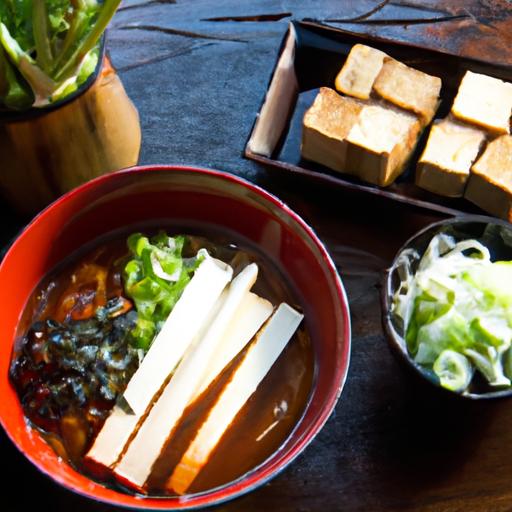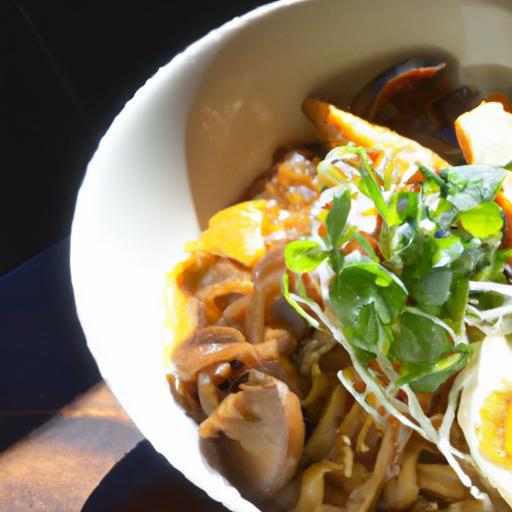
In the world of comfort foods, few dishes offer the perfect harmony of warmth, depth, and nourishment quite like a steaming bowl of ramen. But beyond the classic pork broths and crowded ramen shops lies a vibrant, plant-powered realm where vegetables and tofu take center stage-crafting bowls that are as flavorful as they are wholesome. “Savor the flavor: A Guide to Vegetable & Tofu Ramen Bliss” invites you on a culinary journey to discover how simple, fresh ingredients can be transformed into an exceptional experience. Whether your a seasoned ramen lover or a curious kitchen explorer, this guide will unlock the secrets to building rich, layered broths, perfectly textured tofu, and colorful veggie additions that turn every slurp into a celebration of umami and healthful delight. Prepare your senses for a new kind of ramen adventure-one where taste meets tradition in a bowl brimming with plant-based goodness.
Savor the Flavor by selecting the perfect vegetables and mastering tofu readiness is the gateway to creating a ramen bowl that bursts with vibrant textures and mouthwatering layers. This nourishing bowl is more than just a meal-it’s a celebration of fresh, earthy produce and silky protein, thoughtfully brought together with a broth that sings with umami depth.
Prep and Cook Time
- Preparation: 20 minutes
- Cook Time: 40 minutes
- Total Time: 1 hour
Yield
Serves 4 hearty portions
Difficulty Level
Medium – perfect for home cooks looking to deepen their ramen skills with vegetable and tofu versatility
Ingredients
- Broth Base & Aromatics:
- 8 cups vegetable broth, homemade or low-sodium store bought
- 1 large carrot, roughly chopped
- 1-inch piece of ginger, sliced thin
- 4 cloves garlic, smashed
- 2 dried shiitake mushrooms
- 2 tbsp soy sauce or tamari
- 1 tbsp miso paste (white or yellow)
- Vegetables:
- 1 cup baby bok choy, halved lengthwise
- ½ cup sliced shiitake mushrooms
- ½ cup thinly sliced green onions
- 1 cup shredded napa cabbage
- 1 small zucchini, julienned (optional)
- Tofu:
- 1 block (14 oz) firm tofu, pressed and drained
- 2 tbsp cornstarch
- 3 tbsp neutral oil (grape seed or avocado oil)
- 2 tbsp soy sauce
- 1 tbsp toasted sesame oil
- Noodles & Garnishes:
- 12 oz fresh ramen noodles or high-quality dried option
- 1 sheet toasted nori, sliced into thin strips
- 1 tsp toasted sesame seeds
- Fresh cilantro or mitsuba for garnish (optional)
instructions
- Prepare the Broth: In a large pot, combine vegetable broth, carrot, ginger, garlic, and dried shiitake mushrooms. Bring to a simmer over medium heat and let it gently bubble for 30 minutes,allowing the flavors to meld. Stir in soy sauce and miso paste until dissolved. Strain the broth into a clean pot, discarding solids, and keep warm.
- Prepare the Tofu: Slice the pressed tofu into ½ inch thick slabs. Dust each piece lightly with cornstarch, shaking off excess.
- Cook the Tofu: Heat neutral oil in a non-stick skillet over medium-high heat. Add tofu in a single layer and sauté until golden and crisp on all sides, about 3-4 minutes per side. Towards the end, drizzle soy sauce and toasted sesame oil over the tofu and toss gently to coat. Remove from heat and set aside.
- Sauté Vegetables: In the same pan, add a splash of oil if needed and sauté shiitake mushrooms until tender, about 5 minutes.Add bok choy, napa cabbage, and zucchini; cook just until bright and tender-crisp, about 2-3 minutes. Season lightly with a pinch of salt and pepper.
- Cook Noodles: Bring a pot of water to a rolling boil. Cook ramen noodles as per package instructions until al dente. Drain and rinse briefly under warm water to prevent sticking.
- Assemble Your Ramen Bowl: Divide the noodles between four bowls. Ladle hot broth over the noodles, then artfully arrange sautéed vegetables and tofu atop. Sprinkle with green onions, toasted sesame seeds, and nori strips. Garnish with fresh cilantro or mitsuba if desired.
Tips for Success
- Press Your Tofu Thoroughly: Removing excess moisture helps achieve that golden, crisp exterior when frying. Use a tofu press or wrap in a clean towel and place a heavy object on top for at least 20 minutes.
- Customize Your Vegetables: feel free to swap napa cabbage with crunchy bean sprouts or add snap peas for a sweet pop of texture.
- Boost Flavor Depth: For an extra umami kick, add a teaspoon of dried kombu to your broth simmering pot. Just be sure to remove before straining.
- Make-Ahead: Broth can be prepared up to 3 days in advance and refrigerated, allowing the flavors to deepen beautifully.
- No Miso Paste? Substitute with a tablespoon of tahini or a splash of soy sauce for body, but miso gives the broth its characteristic ramen soul.
Serving suggestions
Present your ramen bowl with a pair of chopsticks resting artfully across the rim and a traditional ramen spoon. Pair the bowl with a light cucumber salad or steamed edamame for a refreshing contrast. Add a drizzle of chili oil or a sprinkle of freshly cracked black pepper to awaken the senses. a wedge of lime on the side brings a bright acidity that awakens every bite.
| Nutrition Per Serving | Calories | Protein (g) | Carbs (g) | Fat (g) |
|---|---|---|---|---|
| Vegetable & Tofu Ramen | 420 | 22 | 55 | 12 |

For a deeper dive into vegetable broths and their versatility in plant-based cooking, visit Serious eats’ Vegetable Broth Guide.
Explore our related article on Plant-Based Ramen Tips for Flavorful Bowls to further enhance your ramen mastery.
Q&A
Q&A: Savor the Flavor – A Guide to Vegetable & Tofu Ramen Bliss
Q1: What makes vegetable and tofu ramen different from traditional ramen?
A1: Vegetable and tofu ramen embraces the vibrant world of plant-based ingredients, delivering layers of umami without reliance on meat or animal-based broths. It highlights the natural textures and flavors of fresh vegetables, silky tofu, and fragrant spices, creating a nourishing, comforting bowl that’s both vibrant and deeply satisfying.
Q2: How can I build a flavorful broth without meat or animal products?
A2: The secret lies in layering flavors! Start with a vegetable broth base enriched by umami-rich ingredients like dried shiitake mushrooms, kombu (kelp), soy sauce, miso paste, and toasted sesame oil.aromatics such as ginger, garlic, and scallions add warmth and depth, while a touch of mirin or rice vinegar balances the savory notes with a hint of brightness.
Q3: What types of vegetables work best in ramen?
A3: The best vegetables for ramen combine texture and flavor. Crunchy options like bok choy, snap peas, and carrots add vibrant contrast, while softer ingredients like mushrooms, corn, and spinach bring an earthy, sweet richness. Roasted or sautéed vegetables, such as sweet potatoes or butternut squash, can add a caramelized depth that elevates the broth’s complexity.
Q4: How should tofu be prepared for an optimal ramen experience?
A4: Firm or extra-firm tofu is ideal for ramen because it holds its shape and absorbs the broth’s flavors. For a delightful texture, press the tofu to remove excess moisture, then pan-fry, bake, or grill it until golden and slightly crispy on the outside. This preparation adds a pleasing bite and a savory, toasty note that contrasts beautifully with silky noodles and broth.
Q5: Can I customize my vegetable and tofu ramen to suit different dietary needs?
A5: Absolutely! This dish is a canvas open to endless creativity and dietary considerations. For gluten-free options, use rice noodles or shirataki noodles. To boost protein without animal products, add edamame or chickpeas alongside tofu. Experiment with low-sodium soy sauce or tamari for heart-friendly bowls, or spice it up with chili oil or fresh jalapeños for an extra kick.
Q6: What toppings elevate the flavor and presentation of vegetable & tofu ramen?
A6: Think of toppings as the crowning glory. Fresh herbs like cilantro or Thai basil add brightness, while toasted seaweed (nori) or sesame seeds bring nutty undertones. Thinly sliced scallions, pickled ginger, and a soft-boiled or poached egg (if ovo-vegetarian) add layers of texture and flavor. Crispy garlic chips,chili flakes,or a drizzle of black garlic oil can take your bowl from delightful to unforgettable.
Q7: How important is the noodle choice in vegetable and tofu ramen?
A7: Noodles are the heart of ramen-they soak up broth and offer the perfect chew to complement other ingredients. Traditional wheat ramen noodles are classic, but you can also use soba, udon, or even spiralized vegetables for a lighter twist. The key is balancing texture and thickness so the noodles hold up in the hot broth without becoming mushy.Q8: Can homemade ramen broth be made ahead of time?
A8: Definitely! Actually, homemade broth frequently enough tastes better the next day as the flavors deepen.Prepare your vegetable broth and umami additions in advance, then refrigerate or freeze. when ready to assemble your ramen,simply reheat the broth and add fresh noodles,tofu,vegetables,and toppings for a fast,flavorful meal anytime.
Q9: What seasonings should I be careful with to preserve the balance of the dish?
A9: Since vegetable and tofu ramen showcases delicate, natural flavors, it’s best to season thoughtfully. Avoid overpowering saltiness or excess heat that masks subtle umami notes. Start with small amounts of soy sauce or miso, and gradually adjust. Fresh herbs,citrus zest,or a hint of sweetness from mirin can brighten the bowl without overwhelming it.
Q10: Any tips for achieving that rich, luscious broth texture?
A10: For a silky broth without animal fat, consider blending cooked starchy vegetables like sweet potato or pumpkin into the broth base for natural creaminess.Simmering with whole aromatics and mushrooms helps extract gelatinous qualities that mimic richness. A touch of toasted sesame paste or nut butter can also enrich the mouthfeel,making every spoonful deeply satisfying.
Embrace the art of plant-powered comfort with vegetable and tofu ramen-a bowl brimming with warmth, texture, and a symphony of flavors waiting to be savored!
Key Takeaways
As the steam rises and the rich aroma of your homemade vegetable and tofu ramen fills the kitchen, you’ve not only crafted a meal – you’ve created an experience.This guide aimed to unlock the vibrant layers of flavor and texture that make every slurp a moment of bliss. Whether you’re a seasoned chef or a curious newcomer, embracing the art of vegetable and tofu ramen invites endless creativity and nourishing satisfaction. So go ahead, savor each bowl and let your taste buds journey thru a world where plant-based ingredients transform humble noodles into something truly unforgettable. Your next ramen adventure awaits-flavorful, wholesome, and utterly satisfying.