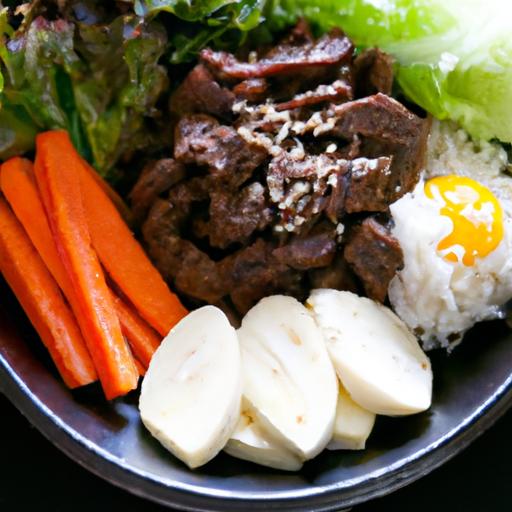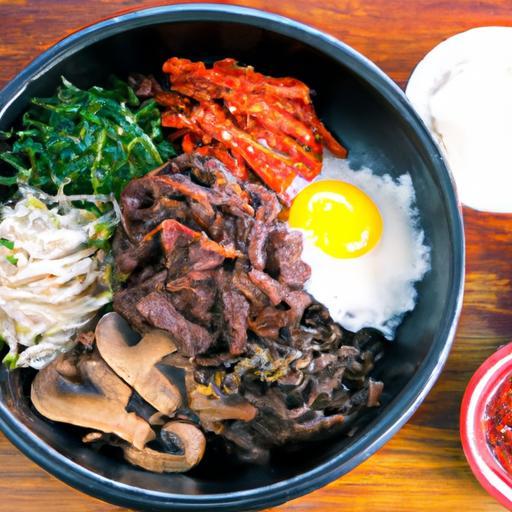
In the vibrant tapestry of Korean cuisine, bibimbap stands out as a dish that is as visually stunning as it is indeed deeply satisfying. Imagine a bowl brimming with colorful vegetables, tender marinated beef, and perfectly steamed rice, all harmoniously mingling under a sizzling dollop of gochujang sauce. “Savor the Flavor: Mastering Beef & Vegetable Bibimbap” invites you on a culinary journey to unlock the secrets behind this iconic Korean masterpiece.Whether you’re a seasoned home cook or an adventurous foodie, this guide will equip you with the knowledge and techniques to assemble your own bowl of balanced flavors, textures, and aromas-transforming a simple meal into an unforgettable experience.Get ready to dive into every layer of taste and tradition, and discover how mastering bibimbap can elevate your cooking to new, delicious heights.
Savor the Flavor with tender,perfectly marinated beef and vibrant fresh vegetables that make this bibimbap an unforgettable experience. Originating from Korea’s rich culinary heritage, bibimbap translates to “mixed rice,” combining an artful balance of textures, colors, and bold flavors in every bowl. One of my fondest memories is gathering family around a steaming platter where the aromas of sizzling beef, fragrant sesame oil, and crisp seasonal greens instantly united everyone at the table.
prep and Cook Time
- Planning: 30 minutes
- Marinating time: 20 minutes
- Cooking time: 20 minutes
- Total: 70 minutes
Yield
- Serves 4 generous portions
Difficulty Level
- Medium – perfect for home cooks eager to explore authentic Korean flavors
Ingredients
- For the marinated beef:
- 12 oz (340g) beef ribeye, thinly sliced against the grain
- 2 tbsp soy sauce
- 1 tbsp sesame oil
- 1 tbsp brown sugar
- 3 garlic cloves, finely minced
- 1 tsp freshly grated ginger
- 1 tbsp toasted sesame seeds
- 1/2 tsp black pepper
- Fresh vegetables:
- 1 medium zucchini, julienned
- 2 medium carrots, julienned
- 2 cups fresh spinach, blanched and drained
- 1 cup bean sprouts, blanched
- 4 shiitake mushrooms, sliced thinly
- 1 small cucumber, thinly sliced
- 4 scallions, sliced diagonally
- Additional components:
- 4 cups steamed short-grain white rice
- 4 large eggs
- 2 tbsp vegetable oil (for stir-frying)
- Classic Korean sauces and toppings:
- 4 tbsp gochujang (Korean fermented red chili paste)
- 2 tsp toasted sesame seeds (for garnish)
- 1 tsp roasted seaweed flakes (optional)
Instructions
- Marinate the beef: In a medium bowl, combine soy sauce, sesame oil, brown sugar, garlic, ginger, sesame seeds, and black pepper. Add the sliced ribeye and toss until thoroughly coated.Allow the beef to marinate at room temperature for 20 minutes to absorb aromatic flavors.
- Prepare the vegetables: While the beef marinates, rinse zucchini, carrots, spinach, and bean sprouts. Blanch the spinach and bean sprouts in boiling water for 30 seconds, then immediately transfer to ice water to preserve color and texture. Drain well. Sauté the zucchini, carrots, shiitake mushrooms, and cucumber separately in a hot pan with a teaspoon of vegetable oil until tender but still crisp, about 3 minutes each. Set aside.
- Cook the beef: Heat a large skillet or wok over medium-high heat and add 1 tablespoon vegetable oil. Stir-fry the marinated beef in small batches to prevent crowding, cooking until browned and slightly caramelized, about 2-3 minutes per batch. Remove and keep warm.
- Prepare the eggs: In the same skillet, reduce heat to medium-low and fry eggs sunny-side up with runny yolks, seasoning lightly with salt. The richness of the yolk adds depth to the bibimbap bowl.
- Assemble the bibimbap bowls: Divide steamed rice evenly into four large bowls.Artfully arrange sautéed vegetables and beef on top in separate sections, creating a vibrant mosaic of colors. Place the fried egg in the center.
- Add sauces and garnish: Offer gochujang either drizzled on top or on the side for diners to mix according to their preferred heat. Sprinkle toasted sesame seeds and optional roasted seaweed flakes over the assembled bowls to complete presentation.
- Serve with confidence: Encourage mixing all the ingredients thoroughly with the gochujang to enjoy the signature harmony of textures and flavors. Revel in each bite bursting with savory, sweet, spicy, and nutty notes.
Tips for Success
- Use thinly sliced ribeye for maximum tenderness and quick cooking. If unavailable, sirloin or flank steak work beautifully as well.
- Marinate the beef for a minimum of 20 minutes, but no longer than 1 hour, to avoid overpowering the natural flavor.
- Prepare each vegetable separately to preserve individual textures and highlight their unique colors.
- For a vegetarian variant, substitute beef with marinated tofu or tempeh, following the same marinade method.
- The secret to proper bibimbap lies in the balance-don’t overwhelm with gochujang; start light and add more to taste.
- Make-ahead: Marinate the beef and prep vegetables up to 4 hours before serving, storing refrigerated and cooking just before assembling.
Serving Suggestions
Present your bibimbap in rustic ceramic bowls that showcase the vivid layers. Accompany with a small dish of extra gochujang and pickled kimchi on the side for tart contrast.Fresh perilla leaves or a sprinkle of chopped scallions elevate the final touch beautifully. For beverage pairing, try light green tea or a cold barley tea to cleanse the palate between bites.

| Nutrition | Per Serving |
|---|---|
| Calories | 530 kcal |
| Protein | 38 g |
| Carbohydrates | 62 g |
| Fat | 14 g |
Discover more about Korean culinary techniques with our Korean Kitchen Basics guide for home cooks eager to deepen their skills and savor new authentic dishes.
Q&A
Q&A: savor the Flavor: Mastering Beef & Vegetable Bibimbap
Q1: what makes bibimbap such a beloved dish in Korean cuisine?
A1: Bibimbap is a harmonious symphony of flavors,textures,and colors that celebrates balance and nourishment. The combination of warm rice, tender beef, vibrant vegetables, and the spicy-sweet gochujang sauce creates a dish that’s both visually stunning and delightfully satisfying. It’s a perfect canvas for creativity and a comforting meal all in one bowl.
Q2: Which cuts of beef work best in bibimbap for maximum tenderness and flavor?
A2: Thinly sliced ribeye or sirloin shines in bibimbap, offering a juicy, buttery texture that absorbs marinades beautifully. These cuts sear quickly, creating savory caramelized edges that elevate every bite without overshadowing the delicate vegetables.
Q3: How should the beef be seasoned or marinated to complement the vegetables and rice?
A3: A classic marinade of soy sauce, garlic, sesame oil, a touch of sugar, and freshly ground black pepper infuses the beef with savory depth and subtle sweetness. This balance enhances the natural umami of the meat while harmonizing with the fresh, earthy notes of the vegetables and the nuttiness of the rice.
Q4: Which vegetables are essential in a traditional beef bibimbap,and how should they be prepared?
A4: Crisp spinach,crunchy bean sprouts,sweet julienned carrots,earthy shiitake mushrooms,and tender zucchini are staples. Each vegetable is lightly blanched, sautéed, or pickled with minimal seasoning-just a pinch of salt, garlic, and sesame oil-to preserve their individual textures and flavors, allowing them to shine alongside the beef.
Q5: What role does the gochujang sauce play, and how can it be adjusted for beginners?
A5: Gochujang is the soul of bibimbap-a thick, fermented chili paste that brings heat, sweetness, and a touch of umami. For newcomers, start with a modest amount and gradually increase to taste, balancing it with a drizzle of sesame oil or a sprinkle of sugar if needed to soften the spice without losing its vibrant character.
Q6: How do you assemble bibimbap to optimize both taste and presentation?
A6: The artful assembly begins with a warm bed of steamed rice. Arrange the marinated beef and each prepared vegetable in neat,colorful sections around the bowl’s perimeter. Crown the creation with a sunny-side-up egg or a gently fried egg to enrich the dish with creamy yolk. Just before eating, stir everything together to meld the flavors and textures into a delicious, unified bite.
Q7: What tips can help prevent the rice from becoming soggy under the toppings?
A7: Use short-grain rice cooked to a slightly firm texture, so it holds its shape under the moisture of vegetables and sauce. Serving the rice hot helps it absorb flavors without turning mushy, and carefully sautéed vegetables reduce excess water content, maintaining the dish’s perfect consistency.
Q8: Are there any creative twists on traditional beef bibimbap that maintain authenticity while adding personal flair?
A8: Absolutely! Incorporating heirloom carrots for an earthy sweetness, adding crispy lotus root slices for crunch, or topping with toasted sesame seeds and thinly sliced nori can elevate the bowl’s texture and aroma. Using a cast-iron skillet to serve hot bibimbap creates a delightful crispy rice crust known as “nurungji,” adding another dimension of flavor.
Q9: How can vegetarians enjoy a similar bibimbap experience without beef, while keeping the dish satisfying?
A9: Swap beef with hearty ingredients like grilled mushrooms or marinated tofu, seasoned with the classic bibimbap marinade. This keeps the savory umami notes rich and fulfilling, while allowing the fresh vegetables and bold gochujang sauce to remain center stage.Q10: What are some cultural or past tidbits about bibimbap that add depth to the cooking experience?
A10: Bibimbap traces back to Korean royal court cuisine and harvest celebrations, symbolizing the coming together of diverse ingredients to create unity and harmony. Its name literally means “mixed rice,” reflecting the joyous ritual of mixing multiple flavors to make something greater than the sum of its parts-a true culinary metaphor for community and balance.
With these insights, mastering Beef & Vegetable Bibimbap is more than cooking-it’s a creative journey into the heart of Korean flavor and tradition. Happy mixing and savoring!
The Way Forward
As you close your bowl and wipe the last traces of vibrant bibimbap from your lips, you’ll carry with you more than just the memory of its rich, harmonious flavors-you’ll hold a newfound appreciation for the art of balance in every bite.Mastering beef and vegetable bibimbap isn’t just about following a recipe; it’s about embracing the dance of textures, colors, and tastes that come together to create a meal both nourishing and soul-stirring. So next time hunger strikes, dive into this Korean classic with confidence, savoring not only the delicious results but the journey of crafting a dish where every ingredient sings in perfect harmony. your taste buds-and your heart-will thank you.