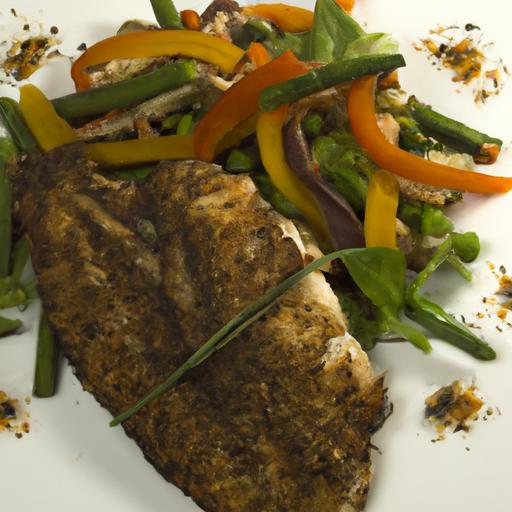
There’s something undeniably magical about the sizzle of fish grilling over open flames, especially when infused with the vibrant spices and rich traditions of Africa’s coastal kitchens. ”Savor the Flavors: A Guide to Authentic African Grilled Fish” invites you on a culinary journey that transcends mere cooking - it’s an exploration of culture, heritage, and the timeless art of preparing seafood the way generations have perfected it. From fiery marinades to smoky charred perfection, this guide will unlock the secrets behind Africa’s most beloved grilled fish recipes, allowing you to bring the bold, soulful tastes of its shores right into your own kitchen. Prepare to awaken your senses and dive deep into authentic flavors that tell a story with every bite.
Exploring Regional Spice Blends That Elevate African Grilled Fish
Savor the Flavors: A Guide to Authentic African Grilled Fish invites you on a vibrant culinary journey to discover the soul of African coastal cuisine. The magic begins with conventional spice blends that capture the continent’s diverse climates, cultures, and history-each infused with fiery, aromatic, and earthy notes that elevate the natural freshness of grilled fish. Inspired by West African suya, East African pili pili, and southern African peri-peri, these blends are a celebration of warm chilies, fragrant herbs, and exotic seeds.
Prep and cook Time
- Preparation: 20 minutes
- Marination: 2 to 4 hours (preferably overnight)
- Grilling: 15 to 25 minutes
Yield
Serves 4 generous portions
Difficulty Level
Medium – Ideal for home cooks with some grilling experience
Ingredients
- 1 whole fresh snapper (about 2 lb), scaled and cleaned, scored on both sides
- 3 tbsp palm oil or high-quality vegetable oil
- 4 cloves garlic, minced
- 2 tsp fresh grated ginger
- 1 tbsp smoked paprika
- 1 tbsp freshly ground coriander seeds
- 1 tbsp cayenne pepper (adjust to taste)
- 2 tsp ground turmeric
- 1 tsp ground cloves
- 1 tbsp dried rosemary
- Juice of 2 limes
- 2 tbsp honey or date syrup
- salt and freshly cracked black pepper to taste
- Fresh parsley and sliced red chili for garnish
Instructions
- Prepare the marinade: In a medium bowl, whisk together palm oil, garlic, ginger, smoked paprika, coriander, cayenne, turmeric, cloves, rosemary, lime juice, honey, salt, and pepper. Ensure the mixture is smooth and well combined for maximum flavor infusion.
- Marinate the fish: Place the cleaned and scored snapper on a large plate or shallow dish. Use a brush or spoon to generously coat the fish inside the scores and cavity with the marinade. Cover with plastic wrap and refrigerate for at least 2 hours, ideally overnight, to deepen the flavors.
- Preheat the grill: Prepare your grill (charcoal or gas) to medium-high heat. Lightly oil the grate to prevent sticking and preheat for 10 minutes to ensure even cooking.
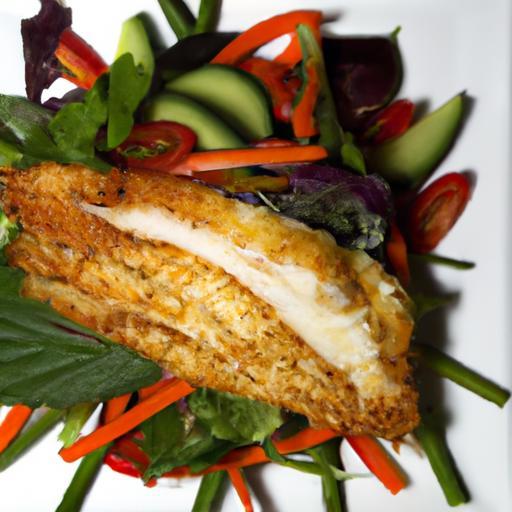
- Grill the fish: Transfer the marinated snapper carefully onto the grill. Cook for 7-12 minutes per side depending on thickness-flip gently using a wide spatula or fish basket. Look for crispy,charred skin and opaque flesh that flakes easily.
- Rest and garnish: Allow the fish to rest for 5 minutes after grilling. This helps the juices settle and enhances moisture retention. Serve garnished with fresh parsley and thin slices of red chili for a spicy pop of color and flavor.
Tips for Success
- Fish selection: Choose firm,white-fleshed fish like snapper,tilapia,or barramundi,which stand up well to grilling and absorb spices beautifully.
- Marinade extension: For a milder option, reduce cayenne pepper and boost the honey for a subtle sweetness balancing heat.
- Make ahead: You can prepare the marinade a day in advance; store it airtight in the fridge and marinade the fish just before grilling.
- Grilling alternatives: If you don’t have a grill, use a grill pan or bake the fish at 400°F (200°C) on a lightly oiled baking sheet for 20-25 minutes.
- Prevent sticking: Ensure your grill is well-oiled and hot-this avoids tearing the delicate fish skin.
Serving Suggestions
The vibrant flavors of this African grilled fish come to life when paired with simple, fresh sides. Serve alongside jollof rice or a light couscous salad with tomatoes and cucumber for a refreshing contrast. Fresh lime wedges, a drizzle of chili oil, and crisp fried plantains make excellent accompaniments. Garnish with vibrant sprigs of cilantro or parsley and scatter sliced red chilies to enhance presentation and add a gentle heat burst.

| Nutrient | Per Serving |
|---|---|
| Calories | 350 kcal |
| Protein | 42 g |
| Carbohydrates | 8 g |
| Fat | 15 g |
For a deeper dive into African culinary traditions, explore our article on African Cuisine’s Diverse Flavors, a trusted resource from SBS Food.
Q&A
Q&A: savor the Flavors – A Guide to Authentic African Grilled Fish
Q1: What makes African grilled fish distinct from other grilled fish dishes around the world?
A1: African grilled fish is a celebration of bold, vibrant flavors and aromatic spices unique to the continent. From the smoky char of open-fire grilling to the use of fresh herbs like lemongrass, fiery Scotch bonnet peppers, and citrusy marinades, it’s a sensory journey that embodies africa’s rich coastal heritage. unlike many other grilled fish dishes, the emphasis lies in layering intense, earthy seasonings with regional ingredients that elevate the natural sweetness of the fish.Q2: Which types of fish are traditionally used in African grilled fish recipes?
A2: African coastal communities often favor locally sourced fish such as tilapia, snapper, Nile perch, and kingfish.These varieties have firm, flaky flesh that holds up beautifully to grilling over charcoal or open flames. Their ability to absorb marinades while maintaining texture makes them ideal candidates for this beloved culinary tradition.
Q3: What are some common marinades or spice blends used in authentic African grilled fish?
A3: Authentic marinades frequently enough start with a base of freshly squeezed lemon or lime juice combined with crushed garlic, finely chopped onions, and a generous helping of spices like smoked paprika, cumin, and coriander. Scotch bonnet peppers add a fiery kick, while fresh herbs such as thyme, basil, or cilantro bring fragrance and balance. Palm oil or groundnut (peanut) oil may also be included, enriching the marinade with subtle nutty undertones.
Q4: Is there a traditional cooking method or technique unique to African grilled fish?
A4: Indeed, many African cultures grill fish over open charcoal fires or glowing embers, frequently enough using handcrafted wooden grills or banana leaves to impart subtle smoky flavors. The fish is sometimes butterflied or scored to allow deeper penetration of spices, then basted repeatedly during grilling to keep it moist and flavorful. This communal cooking style not only enhances taste but also connects diners through shared tradition and celebration.
Q5: What side dishes pair well with African grilled fish to complete the meal?
A5: African grilled fish is frequently enough accompanied by vibrant sides that complement its robust flavors. Staple accompaniments include jollof rice-richly spiced and tomato-infused-cassava fufu,plantain fries,or lightly spiced vegetable stews. Fresh salads with cucumbers, tomatoes, and onions dressed in tangy vinaigrettes also provide refreshing contrasts, bringing brightness to the smoky fish.
Q6: How can home cooks replicate authentic African grilled fish flavors if they don’t have access to a charcoal grill?
A6: While charcoal grilling imparts a signature smokiness,home cooks can emulate this by using a grill pan or broiler and incorporating smoked paprika or liquid smoke in the marinade for depth. Baking the marinated fish on a preheated grill rack inside the oven also works well. Remember to marinate the fish for several hours to build layers of flavor and to baste periodically to keep it juicy and tender.
Q7: Are there regional variations within Africa when it comes to grilled fish recipes?
A7: Absolutely! The diversity of Africa’s coasts-from West Africa’s rich, spicy marinades using ginger and chili, to East Africa’s use of coconut milk and tamarind-offers a tapestry of flavors. North African coastal regions might add aromatic cumin and preserved lemon, while Southern African recipes often highlight peri-peri (African bird’s eye chili) for a fiery finish. Each region adapts the basic technique to reflect its unique culinary heritage.
Q8: What cultural meaning does grilled fish hold in African communities?
A8: Grilled fish is more than just a dish; it’s a culinary tradition that brings people together, especially in fishing villages where it marks celebrations, family gatherings, and rituals tied to the sea’s bounty. It symbolizes hospitality, abundance, and the deep relationship between African communities and their natural environment, serving as a flavorful reminder of heritage and shared identity.
Embrace the rich spices, fiery heat, and soulful grilling techniques of African grilled fish and transport your taste buds to sunlit shores where every bite tells a story.
Wrapping up
As the smoky aroma of charred spices lingers in the air and the vibrant, tangy flavors of African grilled fish dance on your palate, it’s clear that this culinary tradition is more than just a meal-it’s a celebration of culture, community, and the bounties of the land and sea. Whether you’re a seasoned food adventurer or a curious first-timer, embracing these authentic recipes invites you to savor the heart and soul of Africa’s coastal heritage with every bite. So fire up your grill, gather your favorite ingredients, and let the rich symphony of flavors guide you on a delicious journey that honors both tradition and taste. Your next unforgettable feast awaits.